

 en
en  English
 Español
 русский
 Deutsch
 عربى
عربى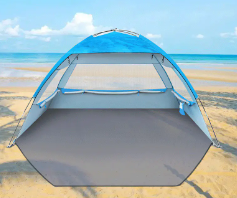
Beach Tents have turned into a go-to item for folks who love the outdoors. They're great for chilling by the ocean on a sunny day or hanging out at the park. These things give you shade and keep the elements at bay. But wind? That's the real troublemaker. We've all seen or heard about a tent getting flipped by a sudden gust, and keeping it steady takes some know-how.
Most Beach Tent are made for easy setup, but they have to deal with stuff like sun, sand, and yeah, wind. Those gusts can ruin your vibe if the tent isn't locked down right. Luckily, newer models have tweaks that make them tougher against wind. Get the hang of these features and how to use them, and you're good whether you're at a calm lake or a busy beach. Your day stays fun that way.
Don't forget the folks who supply these tents. Beach Tent Supplier share tips on materials and designs that boost wind resistance. They help you pick the right one without regrets.
Understanding the Mechanics of Wind Gusts and Their Impact on Beach Tent
Wind gusts can really mess with a Beach Tent. Steady wind? No big deal for most setups. But those quick, strong bursts? They create lift that can send your tent flying. That's why figuring out how wind works matters.
Wind Resistance in Beach Tent Design
A tent's shape and build play a huge part in handling wind. Good ones cut down on drag with a low profile and smooth lines. The frame needs to be solid to avoid bending under pressure. And the fabric? It should be tough but light, so wind doesn't catch it as much.
Wind hits the tent's sides, and without good anchors, it might start to rise. Look for designs with strong corners, beefy frames, and solid tie-down spots. They keep everything in place. Big, open tents struggle more in wind. Smaller, sleeker ones hold up better.
Factors Contributing to Wind Pressure
Lots of things affect how wind pressures a tent. Shape matters, along with wind direction and the ground you're on. Beaches with soft sand make anchoring tricky. Wind speed and how long a gust lasts count too—even a short one can shift things.
Knowing how wind moves over the beach helps. Set up behind natural shields to cut the force. Pick a tent that fits the spot, and you'll dodge a lot of hassle.
Design Features of a Beach Tent that Enhance Wind Resistance
Today's Beach Tent pack features that boost stability in wind. Start by knowing what makes a tent wind-resistant and strong when picking one.
Aerodynamic Shape
Shape is key for wind performance. Smooth, curved designs let air slide by without much pushback. Less drag means less chance of tipping. A solid Beach Tent flows with the wind instead of fighting it.
Low Profile
Tents that hug the ground expose less to wind. Perfect for breezy spots. High ones wobble more, but low ones stay put.
Reinforced Frame
The frame is the backbone. Steel or fiberglass holds up against twists from wind. It spreads the force out, so nothing collapses.
Quality Fabric
Go for durable, light stuff like polyester or nylon. They're weather-proof and bend without breaking. Strong stitches at edges prevent rips. UV and water treatments add life, especially by the sea.
Anchoring and Stability Features
Anchors make or break stability. Loops or eyelets let you tie down firm. Add sandbags or stakes for extra hold. Some tents have built-in tough spots just for wind.
Choosing the Right Location for Tent Setup to Minimize Wind Risk
Where you set up your Beach Tent really matters. Sometimes even more than the tent itself. Beaches are open spaces, and wind has very little to stop it. No walls. No buildings. Just open sand and air moving fast. But if you slow down and look around, you can usually find a better spot.
Look for Natural Windbreaks
Things like sand dunes, trees, or large rocks can help more than you might expect. They don't block the wind completely, but they break it up. That alone makes a big difference. When setting up, take a moment to feel where the wind is coming from. Then place your tent so the windbreak sits between the wind and your setup. Upwind is usually the safest choice.
Avoid High, Exposed Areas
Open and elevated spots may look nice, but they tend to catch the most wind. A tent placed there takes the full hit. Instead, try to find slightly lower ground. Even a small dip in the sand can reduce wind pressure. If possible, don't face the tent directly into the main wind direction. That's when tents are most likely to shift or lift.
Test for Stability Before Full Setup
Before committing to a spot, do a quick test. Push your feet into the sand. Is it too loose? Too uneven? Pay attention to how the wind behaves there. Sometimes it changes direction without warning. Walking a few steps in any direction and testing again can help you find a more stable place. A few minutes of checking can save a lot of trouble later.
Best Practices for Securing a Beach Tent During Windy Conditions
Even a good location won't help much if the tent isn't secured properly. Anchoring is what really keeps things in place when the wind starts acting up.
Use High-Quality Stakes
Not all stakes are the same. Lightweight ones may work on grass, but sand is different. Look for stakes made for sandy ground. They're usually longer and thicker, which helps them grip better. Push them deep into the sand. Deeper than you think. That's where they really hold.
Tie Down the Corners
Guy lines matter. A lot. Each corner should be tied down firmly, with the lines angled away from the tent. This creates tension that pulls the tent toward the ground. Not straight down, but outward and down. Check the tension once everything is set up, then adjust if needed. Wind changes, and the lines should adapt with it.
Use Sand Anchors or Weights
Extra weight always helps. Sand anchors work well because they lock into the sand once buried. Weights do a similar job by adding pressure at the base. Some tents include these features already. Others don't. Either way, adding them can give you peace of mind when the wind starts picking up.
How to Prepare a Beach Tent for Extreme Weather or Unpredictable Winds
Light breezes are one thing. Sudden gusts are another. Some beaches are known for fast-changing weather, and that calls for extra preparation.
Choose the Right Tent for Extreme Conditions
If strong winds are common in the area, your tent needs to match that reality. Look for solid frames, tougher fabric, and strong anchor points. Some tents are built with high-wind use in mind. They may not be the lightest or the biggest, but they're usually more reliable when conditions get rough.
Reinforce the Tent with Extra Weights
When in doubt, add weight. Extra sandbags or weights can help keep the tent grounded. This is especially useful when the wind comes in short, strong bursts. The added mass makes it harder for the tent to lift or shift unexpectedly.
Maintain Tent Structural Integrity
Before leaving home, take a quick look at your tent. Small tears, loose seams, or bent frame parts can become serious problems in strong wind. Fix what you can early. Regular care goes a long way and helps your tent perform better when conditions aren't ideal.
Advanced Techniques for Securing Beach Tent in High Winds
When the wind really starts to build, even a well-set Beach Tent can feel a bit shaky. This is usually the point where basic anchoring isn't quite enough. That's when some extra steps come in handy. Small adjustments. A few smart decisions. Together, they can make a noticeable difference.
Utilize Nearby Structures for Extra Stability
If there are solid objects nearby, it's worth taking advantage of them. Trees, railings, benches, even sturdy fences can offer extra support. By tying guy lines to these structures, you add more tension points, which helps spread the force of the wind instead of letting it focus on one spot.
That said, not everything nearby is safe to use. Avoid anything loose, lightweight, or likely to move. And always think about wind direction. In the right setup, these structures can quietly do a lot of work, keeping the tent steady without much effort.
Adjust the Tent Fabric for Wind Resistance
Fabric tension matters more than many people realize. If the tent fabric is too loose, it acts like a sail. It catches air. The tent starts pulling. Too tight, though, and the stress goes straight to the frame and seams. That can cause problems over time.
The goal is balance. Firm, but with a little give. Once you find that sweet spot, the tent handles wind much better.
Some tents also have flaps or mesh panels that can be adjusted. Opening or closing certain sections based on where the wind is coming from helps reduce air buildup inside the tent. Less trapped air usually means less movement.
Use Heavy-Duty Anchor Systems
In places where strong wind is common, standard anchors may not be enough. This is where heavy-duty systems come in. Some use long metal pegs designed to go deep into sand. Others are adjustable and work across different ground conditions.
These anchors take more time to set up, but they hold well. Very well. When combined with proper guy lines and fabric tension, they greatly reduce the chance of the tent lifting or shifting unexpectedly.
The Importance of Regular Maintenance and Inspection for Wind Resistance
A stable setup doesn't start at the beach. It starts before you even leave home. A tent that's been checked and maintained is far more reliable when the wind picks up.
Inspect the Frame for Damage
Before setting up, take a look at the frame. Bent poles, loose joints, rust spots—these all weaken the structure. Even small damage can become a big issue in strong wind. Metal frames, especially, should be checked for corrosion, particularly if the tent is often used near saltwater.
Examine the Fabric for Tears or Weak Spots
Next, check the fabric. Small holes or worn areas may seem harmless, but wind has a way of finding weak points. Seams deserve extra attention. They take the most stress. Fixing minor damage early is much easier than dealing with a torn panel later. Many tents include simple repair kits, and they're worth keeping handy.
Check the Anchors and Guy Lines
Anchors and lines wear out over time. Sand, sun, and tension all add up. Make sure stakes still hold firmly and that guy lines aren't frayed or stretched out. If something looks worn, replace it. These parts are small, but they do a lot of heavy lifting.
How to Choose a Beach Tent from a Supplier for Better Wind Resistance
Choosing the right tent often comes down to where it comes from. A reliable Beach Tent Supplier usually pays more attention to materials, design details, and real-world use.
Material Quality
Good fabric makes a difference. Polyester or nylon with proper UV protection lasts longer and handles outdoor exposure better. A water-repellent finish also helps, especially in damp or windy weather, where wet fabric can add weight and stress.
Wind Resistance Design
Design details matter. Reinforced seams. Stronger frames. Larger stakes. These features are easy to overlook but make a big difference in performance. A Beach Tent Supplier that focuses on wind resistance tends to offer tents that hold up better over time.
Size and Capacity
Bigger isn't always better. Large tents offer more space, but they also catch more wind. Smaller tents are usually easier to secure and more stable. A good Supplier will help match the tent size to your actual needs, not just capacity on paper.
Customer Reviews and Recommendations
Real feedback helps. Reviews often mention how a tent performs in windy conditions, what held up well, and what didn't. Suppliers with consistent, detailed feedback usually earn that reputation for a reason.
Keeping a Beach Tent stable in windy weather takes a mix of preparation and awareness. Design, location, anchoring, and maintenance all play a role. Miss one, and the setup feels less reliable.
With the right tent, proper setup, and a few smart habits, windy conditions become much easier to handle. Regular checks and small adjustments go a long way. Over time, they also help the tent last longer.
Zhejiang Mansen Leisure Products Co., Ltd. focuses on building Beach Tent with wind resistance in mind, giving users more confidence when conditions aren't perfect. With a well-made tent and thoughtful setup, you can enjoy time outdoors without constantly worrying about the wind.
