

 en
en  English
 Español
 русский
 Deutsch
 عربى
عربى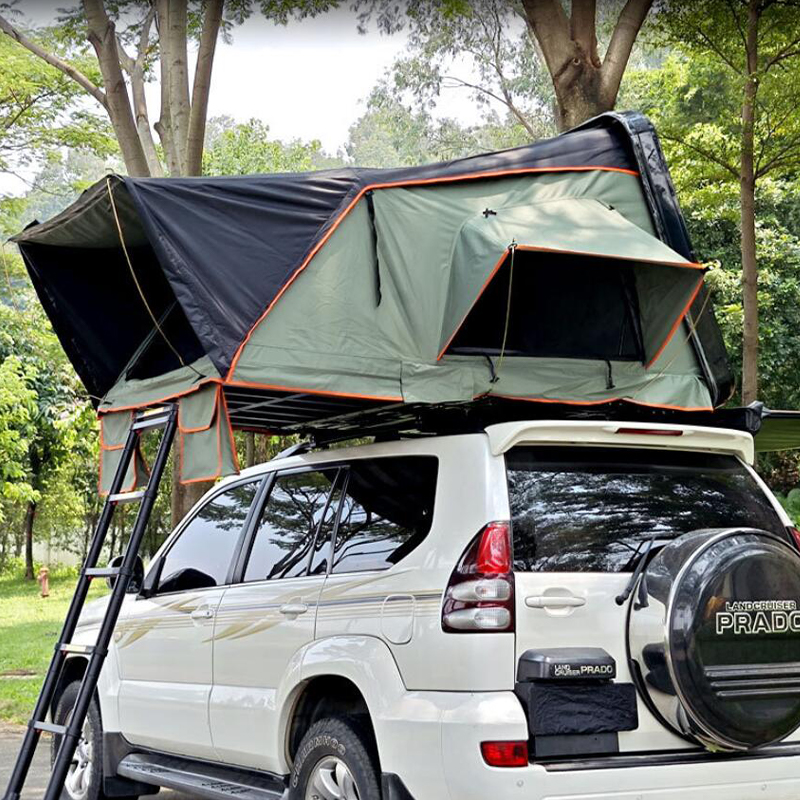
What Makes a Waterproof Roof Tent Feel Reliable in Real Rainy Trips
A waterproof roof tent is often judged less by the look of the fabric and more by how it behaves when the weather turns wet. People notice whether the inside stays calm, whether the fabric holds its shape, and whether the space still feels usable when rain keeps falling outside. For many buyers, the idea of a waterproof roof tent is tied to everyday comfort rather than a technical promise.
What gives that sense of reliability often comes down to a few visible and practical signs.
- The outer shell or fabric should feel firm and well supported.
- Openings should close in a clean and even way.
- Seams should look neat and consistent.
- Airflow should still be possible without letting rain in.
- The interior should feel stable instead of damp or crowded.
A waterproof roof tent does not need to feel complicated to feel dependable. In rainy travel, simple details often matter more than flashy design. If the tent keeps the sleeping area dry, reduces stress during setup, and remains comfortable through changing weather, users are more likely to trust it on future trips. For many campers, a waterproof roof tent feels reliable when it supports normal travel without creating extra work. That feeling grows when the shelter stays dry, closes neatly, and continues to feel comfortable as the weather shifts.
How a roof tent Stays Dry When Weather Changes Fast
Weather can shift quickly on the road, and that is where a roof tent earns attention. A clear sky can turn into rain in a short time, and users often want a shelter that can respond without causing concern. In that setting, staying dry is not only about blocking water. It is also about how the tent handles changing pressure, wind direction, and repeated contact with rain.
A roof tent stays dry through a mix of structure and careful use. The outer layer helps keep water away from the sleeping area. The shape of the tent helps guide water down and away from the main space. Closures and overlaps help reduce openings where moisture could enter. Even small habits, like making sure the tent is closed with care, can shape the result.
There are also practical things users notice during weather changes:
- Rain can hit from the side, not only from above.
- Wind may push water toward openings.
- Wet air can make the inside feel less fresh.
- Packing too quickly after rain can trap moisture.
- Small gaps can matter more when the rain continues.
A roof tent works well when its design and the user’s routine support each other. The shelter should not force the user to think about every drop. Instead, it should help the trip continue with less disruption.
Which Waterproof Roof Tent Details Matter Most When Rain Starts Falling
| Detail | Why it matters in rain | What a user may notice |
|---|---|---|
| Seam finish | Helps limit water entry | A drier interior |
| Zipper line | Affects closure quality | Easier opening and closing |
| Vent opening | Supports air movement | Less stale feeling inside |
| Panel overlap | Helps guide water away | Better coverage during rain |
| Outer fabric | Forms the main barrier | More stable rain handling |
What Happens Inside a roof tent During a Long Rain Night
When rain continues through the night, the inside of a roof tent becomes more about atmosphere and comfort than just protection. The outside may be busy with sound and movement, while the inside is expected to remain steady enough for rest. In many cases, the feeling inside a roof tent depends on how air and moisture interact over time.
Even when no water enters directly, the enclosed space can slowly feel more enclosed if airflow is limited. This is why the experience is often described differently from dry-weather camping.
Several things usually shape the interior condition during long rain periods:
- The sound of rain can feel stronger when it is close to the roof surface
- Warm breath and body heat may change the air balance inside
- Moist air from outside can slowly influence the interior feel
- Fabric tension and shape help define how stable the space feels
- Small temperature shifts can change how the space is perceived
Inside a roof tent in these conditions, people often notice that the experience shifts slightly as rain continues. The structure’s ability to hold shape and allow limited airflow becomes part of the overall feeling of staying inside.
Why Ventilation Matters in a roof tent Even on Wet Days
Ventilation inside a roof tent is often overlooked at first, but it becomes more noticeable when moisture builds up in the air. Even if rain is falling outside, the inside environment still needs movement to feel comfortable over time. A roof tent that allows controlled airflow helps reduce the sense of trapped air.
This does not mean openings are left exposed. Instead, it refers to guided air movement that supports freshness without letting rain enter.
When ventilation is balanced, several things tend to improve:
- Air feels less still and more comfortable
- Moisture from breathing does not accumulate as quickly
- Sleeping conditions feel more consistent through the night
- Fabric surfaces are less likely to feel damp inside
- The overall space feels easier to stay in for longer periods
In a roof tent, ventilation is closely linked with design shape and opening placement. Small airflow paths can make a difference in how the interior feels, especially during wet weather when everything outside is already humid.
How to Keep a Waterproof Roof Tent Dry After Rain and Before Packing
After rain stops, the condition of a roof tent can change quickly depending on how it is handled. The time between use and packing becomes important for keeping the interior and fabric in a usable state for the next trip.
Dryness is not only about visible water. It also relates to hidden moisture that can remain on surfaces or in folded areas. A careful approach helps reduce this and supports longer use without unnecessary wear.
A few simple actions often make a difference:
- Open the roof tent fully when conditions allow air movement
- Let surfaces sit exposed to fresh air instead of closing immediately
- Check folded edges where moisture may stay longer
- Allow fabric to regain its natural shape before storing
- Avoid rushing the packing process while surfaces are still damp
The roof tent benefits from patience after rain. Even if the outside looks mostly dry, inside corners or covered areas may still hold moisture. Giving time for air to move through the structure helps maintain a more stable condition for future use.
It also helps to think of packing as part of the overall use cycle. It performs not only during rain, but also in how it is cared for afterward. When moisture is reduced before storage, the next setup feels more consistent and less affected by leftover dampness.
In everyday use, this step becomes a quiet but important part of the routine. It supports comfort over time and helps it remain ready for changing weather conditions.
How to Choose a Waterproof Roof Tent That Fits Weekend Travel
| Travel habit | What to look for in a waterproof roof tent |
|---|---|
| Short road trips | Easy setup and closing steps |
| Wet weather travel | Strong rain protection and covered openings |
| Mixed weather days | Balanced airflow and steady protection |
| Frequent use | Materials that feel consistent over time |
| Quiet overnight stays | A structure that feels stable in wind and rain |
Why a Waterproof Roof Tent Can Change the Way You Camp in Wet Seasons
Wet seasons can change the rhythm of camping in a clear way. Plans may shift, surfaces stay damp longer, and open ground can feel less inviting after repeated rain. In those conditions, a roof tent can change how people approach the trip from the very beginning.
One reason is elevation. Being off the ground often helps the sleeping space feel less affected by water on the surface below. Another reason is structure. It can create a more defined place to rest, even when the weather outside keeps moving.
That shift can affect the trip in several ways:
- Campsite choice may feel less limited by soft or wet ground
- Setup can feel more predictable when the sleeping area stays raised
- Rainy conditions may feel easier to handle when the space closes securely
- Rest can feel less interrupted by moisture from the ground
The trip may feel more adaptable when the weather changes again and again
It does not remove the weather, but it can reduce the feeling that the weather controls every part of the plan. That difference matters when outdoor travel continues through damp periods and the goal is to keep the trip practical.
For many users, the value is not in making weather disappear. It is in making the stay more manageable. A shelter that stays dry, closes with care, and supports normal rest can change how wet-season camping feels from the start to the end of the trip.
Where a Waterproof Roof Tent Can Make Camping Feel More Flexible
| Camping setting | Why a waterproof roof tent can help |
|---|---|
| Damp campsite | Keeps sleeping space away from wet ground |
| Changing weather | Supports a more stable overnight setup |
| Short roadside stop | Makes quick rest feel more practical |
| Uneven terrain | Reduces dependence on flat ground |
| Mixed route travel | Helps keep the plan steady across conditions |
Tips for Getting More Comfort From a Waterproof Roof Tent in Damp Weather
Comfort in damp weather often comes from small habits rather than large changes. A roof tent can already help create a protected space, but the way it is used still shapes how comfortable the stay feels.
A few useful habits can make a difference:
- Open it carefully so moisture does not collect inside the folds
- Let air move through the space when the weather allows
- Keep bedding arranged so it does not press too tightly against damp surfaces
- Check edges and corners before settling in for the night
- Close openings with care so the inside stays calm when rain returns
These steps may sound simple, but in damp weather they matter. It feels more comfortable when the interior remains dry enough to rest in and easy enough to move around in. Little adjustments can support that feeling over time.
It also helps to pay attention to how the space feels rather than only how it looks. A tent can appear dry on the outside and still feel less fresh if air has been trapped inside. A quiet check before bedtime, and another before packing, can support a smoother routine.
When users get used to those habits, the experience becomes easier to trust during wet conditions. It feels less like managing a problem and more like using a shelter that fits the trip.
For a manufacturer perspective that stays practical and grounded, Zhejiang Mansen Leisure Products Co., Ltd. keeps the discussion centered on real use and careful design.
