

 en
en  English
 Español
 русский
 Deutsch
 عربى
عربىA tent that stood firm the night before can end up flattened by morning once the wind picks up over open sand, and stakes that worked just fine in a backyard test pull straight out the moment they meet loose, dry ground. This is one of the more common frustrations campers run into along coastlines and dune environments, where the usual rules of tent setup simply stop applying. Knowing How To Pitch a Tent On Sand properly comes down less to brute force and more to understanding why sand behaves so differently underfoot, then matching both technique and tent design to that reality before the wind gets a chance to make the decision for you.
Why Does Sand Make Tent Pitching So Difficult?
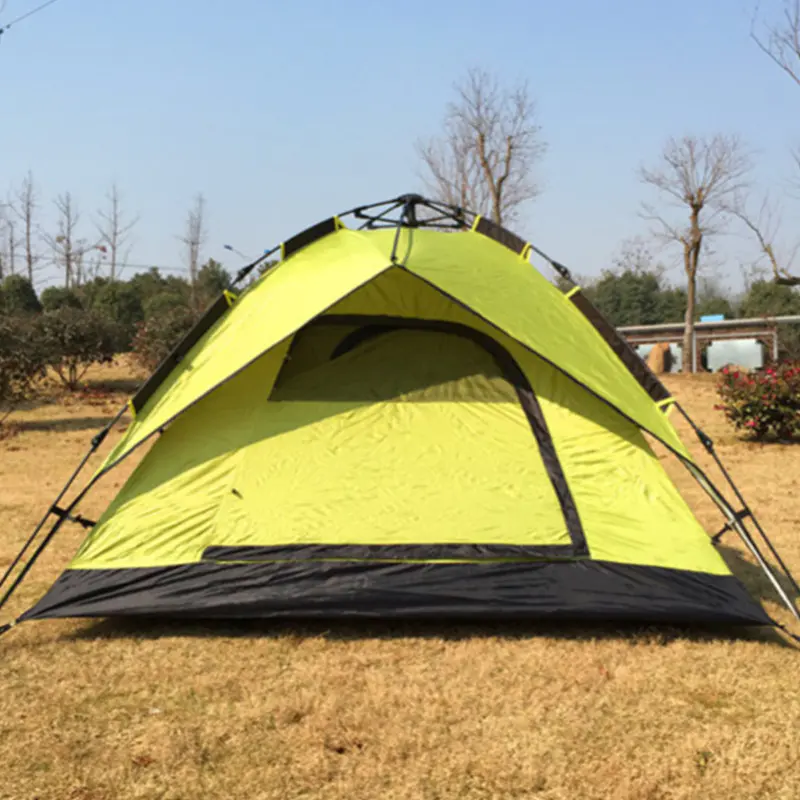
Sand behaves nothing like the firm, compacted soil most camping gear was designed around, and understanding why explains pretty much every technique that follows.
- Loose sand offers minimal resistance to standard stakes, which slide through rather than gripping anything
- Coastal locations often combine sandy ground with consistently stronger, more unpredictable wind than inland campsites typically see
- Sand shifts and settles under weight, so anchors that look secure at setup can loosen overnight as the ground beneath them moves around
- Tent floors sit more exposed to abrasion and sand infiltration than they would on grass or packed dirt
These conditions stack together to create a setup environment where standard camping assumptions about anchoring and stability just don't hold up the way they would anywhere else.
How Should You Choose a Pitch Location on Sand?
Before any anchoring technique even comes into play, location selection does a lot of the heavy lifting in determining how stable a tent ends up overnight.
Step 1: Identify a Wind-Sheltered Position
Look for natural windbreaks like dune ridges, vegetation, or elevated terrain that can cut down direct wind exposure to the tent, since even a fairly modest barrier meaningfully reduces the force acting on the structure.
Step 2: Avoid Low-Lying Areas Prone to Water Pooling
Sandy ground near the tide line or sitting in shallow depressions can collect water if rain or unusually high tides come through, so picking slightly elevated, well-drained ground cuts that risk down considerably.
Step 3: Check for Firmer Sand Beneath the Surface
In plenty of beach locations, sand a short distance below the surface sits more compacted and offers better anchor resistance than the loose top layer does, which is worth testing before settling on a final pitch location.
Step 4: Orient the Tent to Minimize Wind Resistance
Positioning the tent's lowest, most aerodynamic profile to face the prevailing wind direction cuts down the surface area catching gusts head-on, which matters quite a bit in open coastal settings.
What Anchoring Techniques Actually Work in Sand?
Standard metal stakes are usually the first thing to fail in sandy conditions, and knowing the alternatives makes a real difference in how stable things stay overnight.
Sand-Specific Stakes and Anchors
Wider, auger-style stakes built specifically for loose ground give considerably more surface area and grip than standard narrow stakes, which simply pull free under tension once sand is involved.
Sand Bag Anchoring
Filling sandbags or stuff sacks with sand and attaching them to guy lines or tent corners creates real dead weight that resists movement far better than driven stakes alone, particularly in very loose or dry sand.
Deadman Anchors
Burying a stake, bag, or even a stick horizontally beneath the sand and attaching the guy line to its center creates resistance from the weight of sand sitting above it, which often outperforms vertical stakes in soft ground.
Reinforced Guy Line Systems
Adding extra guy lines beyond the standard setup, especially at corners and other high-stress points, spreads wind load across more anchor points instead of concentrating force on just a couple of connections.
Which Tent Designs Handle Sand Better Than Others?
Not every tent structure responds the same way to sandy, windy conditions, and knowing these differences before buying matters quite a bit for anyone camping regularly in coastal or desert environments.
Automatic Instant Pop Up Tent Performance on Sand
A Camping Tent Automatic Pop Up design offers fast deployment, which genuinely helps when setting up before fading light or worsening wind closes in, but the anchoring still depends entirely on how well the base and guy line system gets secured once it's standing. The automatic frame deployment doesn't remove the need for proper sand anchoring technique afterward.
Tunnel Tent Stability in Open Conditions
Tunnel tents for sale built with low profiles and multiple support points tend to spread wind load more evenly across the structure than dome-style alternatives, making them a reasonable option for sustained coastal wind exposure once properly staked.
Self Inflating Camping Tent Considerations
A self inflating camping tent removes the need for rigid poles, swapping them out for air-filled structural beams instead. This can cut down certain failure points tied to bent or snapped poles in high wind, though the inflated structure still needs secure ground anchoring to stop the whole tent from shifting or lifting.
Bottomless Tent Use in Sandy Terrain
A bottomless tent design, often used for canopy or shelter setups rather than fully enclosed camping, lets sand stay undisturbed beneath the structure and can simplify setup on uneven dune terrain, though it offers less protection against blowing sand making its way into the living space.
How Does Fabric Choice Affect Sand and Wind Performance?
Material selection plays a real role in how well a tent stands up against the specific stresses that sandy, coastal environments throw at it.
| Fabric Consideration | Why It Matters in Sand and Wind |
|---|---|
| Abrasion Resistance | Sand grains carried by wind can wear down lower-quality fabrics over repeated trips, reducing the tent's lifespan. |
| UV Resistance | Beach and desert environments often expose tents to more direct sunlight than forested campsites, increasing the risk of fabric degradation. |
| Tear Strength Under Tension | Wind places continuous stress on fabric panels and attachment points, so strong tear resistance helps prevent rips and failures. |
| Waterproof Coating Quality | Coastal humidity, sea spray, and occasional rain require dependable water resistance beyond basic weather protection. |
| Breathability vs. Wind Sealing | A tent must block wind effectively while allowing enough airflow to minimize condensation buildup inside. |
An Oxford cloth tent gets chosen often for these conditions because the weave structure tends to offer solid abrasion resistance alongside reasonable weight, making it a practical middle ground for campers dealing with both sand exposure and the need for something packable and manageable.
What Role Does Wind And Waterproof Tent Design Play?
Beyond fabric alone, the overall design approach of a Wind And Waterproof Tent shapes how well it copes with the combined challenges sand environments typically throw at it.
- Lower-profile designs cut down the surface area exposed to direct wind force, which matters more in open coastal settings than in sheltered inland campsites
- Reinforced seam construction keeps water out at stress points that see more movement in windy conditions
- Multiple anchor points spread around the tent base let load distribute more evenly instead of piling stress onto just a few connections
- Ventilation systems built to work even when the tent is sealed against wind help manage condensation without giving up wind resistance
How Do Inflatable Tents Compare for Sand Camping?
Inflatable tent structures have picked up popularity for sandy and beach camping specifically, and understanding why clarifies when this option actually makes sense.
Advantages of Inflatable Structures on Sand
A wholesale inflatable tent design drops rigid poles entirely, which removes the risk of poles bending or snapping under wind load — a failure mode that hits traditional pole tents harder in sandy, windy environments than in sheltered locations.
Setup Speed Benefits
Inflatable tents generally deploy faster than pole-based alternatives, which matters when racing against incoming weather or fading daylight on an exposed beach.
Anchoring Still Required
Despite the structural advantages, an inflatable tent still needs proper ground anchoring to stop the whole structure from shifting or lifting in strong wind, since the inflated beams provide rigidity but not weight or grip against the ground itself.
What Common Mistakes Lead to Tent Failure on Sand?
Knowing the typical errors helps campers avoid repeating problems that show up again and again in sandy, windy environments.
Using standard stakes without modification, which simply pull through loose sand under any real tension
Underestimating wind strength near open water, where gusts often run considerably stronger and more sustained than inland forecasts would suggest
Skipping guy lines because the tent seems stable at setup, when the real wind test only happens once conditions worsen overnight
Choosing pitch locations purely for the view rather than shelter, prioritizing scenery over the practical wind exposure that spot actually creates
Failing to check sand firmness before committing to a location, missing the chance to find more compacted ground nearby that would anchor far more securely
How Should Buyers Evaluate Tents for Sandy Camping Markets?
For dealers, distributors, and outdoor retailers serving customers who camp regularly in coastal, desert, or dune environments, understanding which tent categories actually perform well in these conditions shapes which products are worth stocking and pushing.
A few points worth weighing:
- Whether the tent design includes reinforced anchor points suited to sand-specific staking methods rather than relying solely on standard stake configurations
- How the fabric holds up under abrasion testing relevant to sand exposure specifically, not just general durability standards
- Whether automatic or inflatable deployment mechanisms hold up to repeated setup and breakdown cycles in gritty, sandy conditions
- How the tent's wind resistance profile compares across different structural designs, since tunnel, dome, and inflatable structures each respond differently to sustained coastal gusts
Bringing Technique and Tent Selection Together
Pitching a tent successfully on sand comes down to combining the right location choice, the right anchoring method, and a tent design genuinely suited to the conditions, rather than expecting any single factor to make up for weaknesses in the others. A well-chosen wind-sheltered spot still benefits from sand-specific stakes or sandbag anchoring, and even the most stable inflatable or tunnel tent design needs proper securing to perform the way it's supposed to overnight. Campers who understand why standard techniques fail in loose sand, and who adjust both their setup approach and their equipment choices accordingly, tend to report fewer overnight failures and a noticeably more comfortable experience across beach, desert, and dune environments. For outdoor retailers and distributors looking to serve this specific segment of the camping market, Zhejiang Mansen Leisure Products Co., Ltd. manufactures a range of tent solutions including automatic pop up, tunnel, and self inflating designs built with the durability and stability features that sandy, windy environments demand. If your business is sourcing tents suited to coastal or desert camping markets, sharing your specific product requirements is a practical way to start that conversation.
