

 en
en  English
 Español
 русский
 Deutsch
 عربى
عربى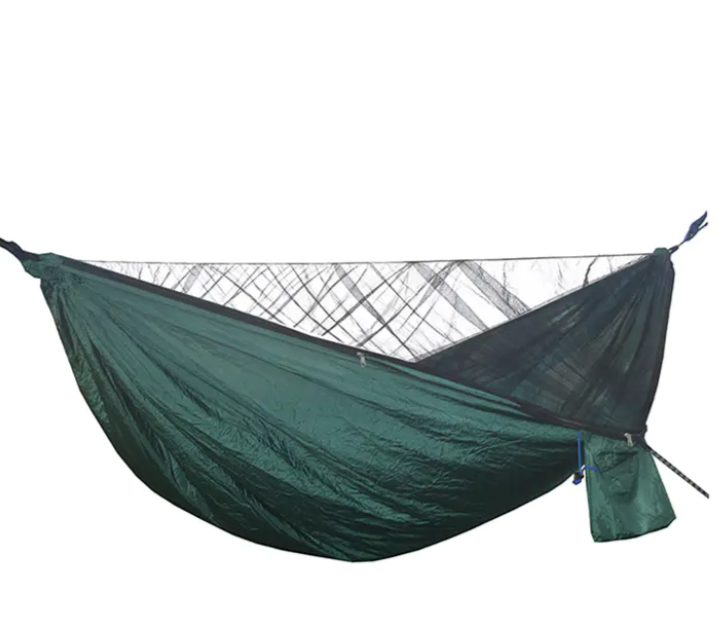
Why Have Outdoor Camping Hammocks Become Part of Modern Outdoor Living
Outdoor Camping Hammocks are no longer just for lounging in a backyard. They've become a part of camping life for many people who want something flexible and comfortable. They are easy to carry, set up, and they keep you off the ground. Sleeping above uneven or damp terrain makes a noticeable difference—less dirt, less moisture, better airflow.
In some outdoor gear displays, products from Zhejiang Mansen Leisure Products Co., Ltd. have shown a good balance of durability and versatility, handling a wide range of camping conditions well.
Some things that make them popular:
- Adaptability: You can hang them between trees, poles, or even with portable stands. Places where a tent might not work? Hammocks can handle it.
- Lightweight Convenience: Many hammocks today are light but strong. Easy to pack for long walks or simple camping trips.
- Environmental Responsiveness: Fabrics and suspension systems are made to deal with heat, wind, or damp air. Keeps you comfortable wherever you are.
Hammocks have become more specialized over time. Designers pay attention to stability, how weight spreads across the hammock, and ventilation. Fabric tension, reinforced points, and flexible suspension all matter if you want the hammock to perform well outdoors.
How Do Environmental Conditions Shape Hammock Selection
The place you camp matters a lot. Forests, mountains, beaches—they all create different needs. Choosing a hammock that matches the conditions makes a big difference in comfort.
- Climate: Hot or cold, windy or humid, your hammock needs to match. Breathable fabrics are good for warm weather; heavier or insulated fabrics work better in cooler nights.
- Terrain: Rocky, soft, or uneven ground? The suspension system has to adjust. Proper tension helps with comfort and keeps the hammock from slipping.
- Moisture and Airflow: Wet spots need quick-drying fabric and an elevated setup. Dry areas? Breathable fabrics keep things cool.
- Space Limits: Not enough trees, branches too close, low hanging limbs? You may need a hammock that adapts to limited space.
All these things affect fabric choice, straps, and how big or long the hammock should be. Some designs are versatile, but some are meant for very specific conditions.
What Structural Elements Matter Most in Outdoor Camping Hammocks
A hammock's comfort and durability come from its build. Some key parts to pay attention to:
- Fabric: Some fabrics are light, some are strong, some breathe better than others. Tightly woven fabric doesn't sag. Breathable fabrics keep you cool.
- Weight Distribution: Good design spreads your weight evenly. Curved edges, reinforced seams, multi-point suspension help stability.
- Suspension Systems: Straps, ropes, carabiners—these all take tension. Simple setups are fast, complex ones let you adjust tension for comfort.
- Stitching: Seams at the ends and where suspension connects need to be strong. Reinforced stitching stops tearing.
| Component | Importance | Typical Variation |
|---|---|---|
| Fabric | Comfort, breathability, durability | Nylon, polyester, ripstop |
| Suspension Straps | Weight distribution, adjustability | Adjustable webbing, tree-friendly |
| Attachment Hardware | Safety and stability | Carabiners, hooks, anchors |
| Stitching & Seams | Structural integrity | Double or triple stitching |
Balancing these parts ensures the hammock works well no matter where you hang it.
How Should Outdoor Camping Hammocks Be Chosen for Forest Areas
Forests seem perfect for hammocks—lots of trees—but they have their own challenges. Uneven ground, shade, and humidity all matter.
- Anchor Spacing: Trees are different sizes and distances. Adjustable straps make setup easier.
- Air Circulation: Shade can trap moisture. Fabrics that breathe prevent damp discomfort.
- Ground Interaction: Uneven ground means a bit of sag is good. Longer hammocks distribute weight better.
- Adaptability: Low branches or roots might get in the way. Modular suspension systems help adjust to these obstacles.
Paying attention to these things keeps you safe and comfortable when sleeping in dense woods.
What Changes When Camping in Mountain or Elevated Terrain
Mountains bring new challenges—wind, cold nights, rocky ground, limited trees. Hammocks need to meet these conditions.
- Wind Protection: Strong gusts can make loose hammocks unsafe. Tighter setups or wind-resistant designs help.
- Temperature: Nights can get cold. Layered hammocks, underquilts, or thicker fabrics keep warmth without suffocating you.
- Portability: Hikers carry everything. Light, compact hammocks are best.
- Anchoring Flexibility: Rocks, slopes, or few trees? You might need stakes, poles, or boulders to anchor your hammock.
In mountains, the trick is balancing durability, weight, and comfort for changing conditions.
What Makes Hammocks Suitable for Coastal and Beach Environments
Beaches and coastal areas bring their own challenges. Sand, sun, and salty air can be tricky. Picking the right outdoor camping hammock makes a big difference.
- Sand Resistance: Tiny grains get everywhere. Smooth fabrics or covers keep sand out and make cleaning easier.
- Humidity and Corrosion: Salt in the air can wear out metal parts faster. Hardware that resists corrosion lasts longer.
- Sun Exposure: Strong sunlight can weaken some fabrics. UV-treated materials hold up better.
- Anchor Options: Trees aren't always around. Portable poles or sand anchors help keep things steady.
Using fabrics and suspension systems designed for open, sandy spots makes camping more comfortable. You stay safe, dry, and less bothered by the elements.
How Do Desert and Arid Environments Affect Hammock Performance
Hot, dry places with few trees need a different approach. Hammocks have to deal with heat, strong sun, and sparse anchor points.
- Airflow and Ventilation: Breathable fabrics keep the hammock cooler. Mesh panels or loose weaving help air move.
- UV Exposure: Constant sun can weaken fibers. UV-stabilized fabric is more reliable.
- Scarce Anchors: Sometimes cacti, rocks, or poles are the only options. Hammocks that adjust to odd anchor points are useful.
- Lightweight Design: Long hikes over open terrain are easier with a compact, sturdy hammock.
Thinking about these challenges makes hammocks comfortable and durable even in harsh deserts.
What Should Be Considered in Wet or Rain-Prone Regions
Rainy or humid areas can be tough on gear. A good outdoor camping hammock can keep you dry and comfortable.
- Water Management: Quick-drying fabrics are a must. Hanging higher keeps you off wet ground.
- Breathability: Air circulation prevents condensation and mold.
- Mold and Odor Prevention: Moisture-resistant materials help avoid fungus and bad smells.
- Elevated Setup: Being above puddles or wet soil keeps sleeping areas safer.
Choosing hammocks with water-friendly fabrics and smart suspension systems makes damp conditions much more manageable.
How Can Outdoor Camping Hammocks Adapt to Seasonal Changes
Good hammocks work in more than one season. Adjustability makes a big difference.
- Warm Weather: Light fabrics and mesh panels let air flow, keeping you cooler.
- Cold Weather: Thicker fabrics, layering, or underquilts help you stay warm.
- Adjustable Suspension: Changing the tension can help the hammock suit different conditions.
- Storage and Care: Putting the hammock away properly between seasons keeps it in good shape.
Flexible setups mean your hammock works well, no matter the weather.
What Safety and Comfort Factors Apply Across All Environments
Safety matters everywhere. Comfort is important too.
- Hanging Height and Angle: Too steep or too low can be dangerous. Proper setup prevents slips.
- Body Alignment: Even weight distribution avoids sore spots.
- Movement Stability: Controlling sway reduces the chance of falling.
- Environmental Awareness: Check trees, rocks, or flood-prone areas before setting up.
Simple precautions make camping safer and more relaxing.
How Does Long-Term Outdoor Use Affect Hammock Durability
Time outdoors wears gear. Knowing what wears out helps you take care of a hammock.
- Fabric Fatigue: Constant stretching and sun can weaken fibers.
- Stitch Integrity: Seams at stress points can fray.
- Environmental Aging: Rain, wind, and sun affect fabrics differently.
- Maintenance: Cleaning, inspecting, and storing between trips keeps things solid.
Being mindful of these factors keeps hammocks reliable over time.
How Can Hammock Use Align With Environmental Responsibility
Camping should leave nature as you found it. Hammocks can help minimize impact.
- Anchor Protection: Tree straps or poles reduce bark damage.
- Waste Reduction: Durable hammocks last longer, creating less trash.
- Sourcing Responsibility: Ethical Hammock Supplier use sustainable materials.
- Following Rules: Respect local camping guidelines to preserve the area.
Responsible habits let people enjoy outdoors without harming it.
What Practical Evaluations Help Before Extended Outdoor Use
Testing a hammock before a long stay is smart.
- Setup Testing: Try different spots to make sure anchors work.
- Tension Adjustment: Small tweaks can improve comfort.
- Comfort Check: Lying in it helps find pressure points or airflow issues.
- Learning By Doing: Each trip teaches you better setup and techniques.
A little practice ensures your hammock works well wherever you camp.
How Do Hammock Supplier Respond to Diverse Environmental Needs
Good suppliers design hammocks for real outdoor use.
- Material Consistency: Fabric and hardware stay reliable under stress.
- Design Adaptation: Suspension systems evolve with user experience.
- Usability Focus: Comfort, safety, and flexibility come first.
- Long-Term View: Durability and versatility guide product choices.
Picking hammocks from trusted suppliers makes life easier in the outdoors.
