

 en
en  English
 Español
 русский
 Deutsch
 عربى
عربىA Waterproof Rooftop Tent protects campers from wet ground simply by removing the ground from the equation entirely. The sleeping platform sits mounted on the vehicle roof, well above mud, puddles, and saturated soil, so moisture that would soak straight through a traditional ground tent floor never even gets the chance to reach the sleeping area. That is the core mechanism. Everything else, the fabric choice, the frame design, the setup speed, builds on top of that one fundamental advantage. Anyone who has woken up on a camping trip to find a damp sleeping bag, or spent the night listening to rain pool somewhere just outside a groundsheet that was clearly losing the fight, understands why this elevated approach keeps gaining ground among overlanders, weekend campers, and outdoor retailers stocking gear for that exact frustration. Off road travelers, dealers sourcing product lines, and B2B buyers evaluating suppliers all end up circling back to the same question. Does the elevated design actually solve the wet ground problem completely, or does it just shift the challenge somewhere else?
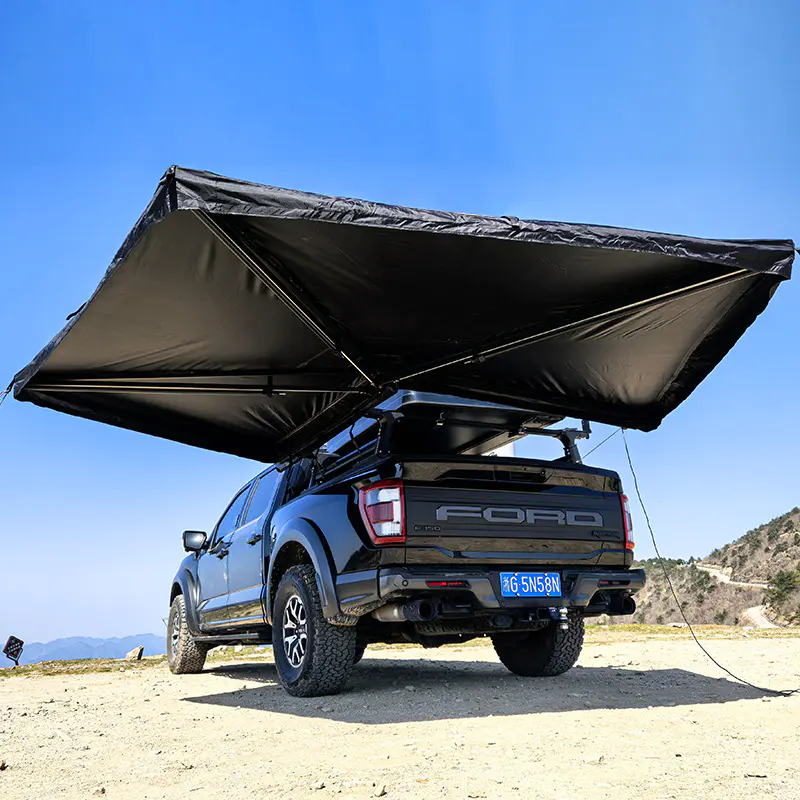
Why Does Ground Level Camping Struggle So Much in Wet Conditions?
Traditional ground tents rely entirely on a groundsheet and careful site selection to keep moisture out, and both of those defenses have obvious limits. Rain pooling on uneven ground finds its way under a tent floor eventually, particularly during a sustained downpour or after several consecutive wet days have already saturated the soil. Low lying campsites, forest floors holding onto morning dew, grassy meadows that never quite dry out, all of these common camping environments work against a ground tent's ability to stay dry.
A handful of specific issues tend to explain most wet ground complaints:
- Groundwater seeping upward through even a well sealed tent floor during heavy or prolonged rain
- Condensation building up between the tent floor and damp ground beneath it, adding moisture from below rather than above
- Mud and standing water making site selection difficult, sometimes forcing campers onto less than ideal ground simply because nothing drier is available
- Increased exposure to insects and small wildlife that gather near damp ground level environments
Does Elevating the Sleeping Area Really Address All of This at Once?
Largely, yes. Mounting the tent on a vehicle roof sidesteps every one of these ground level problems simultaneously, since there is no groundsheet fighting against rising moisture, no damp soil sitting directly beneath the sleeping surface, and no need to hunt for the one dry patch of ground on an otherwise soaked campsite. The vehicle itself becomes the foundation, and that foundation stays dry regardless of what is happening on the ground below.
How Does a Rooftop Tent Actually Keep Rain and Moisture Out From Above?
Solving the ground moisture problem only addresses half the equation. Rain still falls from above, and a well designed rooftop tent needs its own defenses against that.
What Fabric Qualities Matter Most for Rain Protection?
Oxford Cloth Tent construction has become a common choice across this category, largely because the tightly woven fabric structure resists water penetration effectively while still holding up against the wear and abrasion that comes with repeated setup, travel, and storage cycles. A durable, tightly woven fabric paired with proper seam sealing keeps water from finding its way through stitching lines, which tend to be the weak point in an otherwise waterproof fabric shell.
Does Wind Resistance Matter as Much as Waterproofing?
It does, particularly for campers heading into exposed or elevated terrain where wind and rain often arrive together rather than separately. A Wind And Waterproof Tent design accounts for both challenges simultaneously, using reinforced frame connections and a fabric shell that resists flapping or stress tearing during gusty conditions, since a tent that handles rain well but collapses or tears under wind pressure still leaves campers exposed to the exact moisture it was supposed to keep out.
What Structural Features Support Reliable Wet Weather Performance?
- Reinforced seams and taped stitching lines that prevent water infiltration at the fabric's most vulnerable connection points.
- A rainfly or additional weather shell that adds a secondary barrier beyond the primary tent fabric during sustained storms.
- Sloped or angled roof design that encourages water runoff rather than allowing pooling on a flat surface during heavy rain.
- Sturdy frame construction that maintains tent shape and tension under wind load, preventing sagging that could otherwise trap standing water.
- Ventilation features positioned to reduce internal condensation without compromising the tent's overall weatherproofing.
Comparing Rooftop Tents Against Traditional Ground Tents in Wet Conditions
Seeing these two camping approaches laid out side by side clarifies where the elevated design genuinely earns its advantage.
| Factor | Ground Tent | Rooftop Tent |
|---|---|---|
| Ground Moisture Exposure | High, direct contact with wet soil | None, elevated above ground entirely |
| Site Selection Flexibility | Limited by ground conditions and drainage | Broader, since vehicle placement matters more than ground texture |
| Setup Speed in Rain | Slower, requires careful groundsheet placement | Faster, often unfolds directly from the roof rack |
| Insect and Wildlife Exposure | Higher, closer to ground level activity | Lower, elevated away from ground level pests |
| Weather Resistance Under Wind | Varies by tent quality and staking | Generally strong when properly mounted and secured |
Reviewing this comparison, the elevated design consistently reduces the moisture related headaches that ground tents struggle against, particularly in genuinely wet or poorly drained camping environments.
Which Camping Environments Benefit Most From This Elevated Approach?
Not every trip faces the same moisture challenge, so understanding which environments particularly reward a rooftop setup helps buyers and retailers position products toward the right customer base.
Does Forest Camping Present a Special Case for Wet Ground Concerns?
It does, considerably so. Forest floors hold onto moisture longer than open, sunlit terrain, since tree cover blocks sunlight that would otherwise help dry out damp ground. Morning dew also tends to linger under forest canopy well into the day, making ground tent floors particularly prone to dampness in these settings. A rooftop setup sidesteps this entirely, since the sleeping area never touches that consistently damp forest floor.
What About Grassland or Meadow Camping During Rainy Seasons?
Similar story. Open grassland can look deceptively dry on the surface while holding considerable moisture just beneath, particularly after a rainy season has saturated the soil over an extended stretch. Ground tents pitched on this kind of terrain often deal with dampness seeping up through the floor regardless of how well sealed the groundsheet appears, while an elevated tent simply avoids that saturated ground layer altogether.
What Should B2B Buyers Evaluate Before Sourcing Rooftop Tents?
Dealers, wholesalers, and outdoor retailers building out a rooftop tent product line benefit from a structured sourcing evaluation rather than choosing based on price alone.
- Confirm fabric waterproof rating and seam sealing quality through sample testing rather than relying on marketing claims alone.
- Evaluate frame material and mounting hardware durability, since repeated setup and breakdown cycles place real stress on connection points over time.
- Ask about wind resistance testing or field performance data relevant to the climates your target customers actually camp in.
- Request information on production consistency across batches when working with a Camping Tent Factory, since variation between units undermines customer trust in a product line marketed around dependable weather protection.
- Clarify order volume tiers and lead times available through a Rooftop Tent Wholesaler relationship, particularly for retailers planning seasonal inventory around wet weather camping demand.
Skipping these checks tends to surface quality complaints only after products reach customers, at which point returns and reputation concerns cost considerably more than a thorough sourcing evaluation would have upfront.
Does Installation Method Affect How Well the Tent Performs in Wet Conditions?
Yes, more than casual buyers sometimes expect. A rooftop tent mounted loosely or improperly secured can develop gaps or instability that undermine even a genuinely well built fabric shell. Proper mounting hardware, correctly torqued connections, and a stable roof rack foundation all contribute to keeping the tent sealed and stable once weather turns rough. Buyers evaluating a supplier should ask specifically about mounting hardware quality and compatibility across common vehicle roof rack systems, since a mismatch here can undercut the weatherproofing benefits the tent fabric itself was designed to deliver.
Bringing Elevated Camping and Wet Weather Protection Together
Staying dry through a rainy camping trip really comes down to removing as many moisture entry points as possible, and elevating the sleeping area above ground level addresses the single largest source of that moisture before fabric quality or seam sealing even enter the conversation. A Waterproof Rooftop Tent combines that elevated foundation with durable, tightly woven fabric, reinforced seams, and wind resistant framing to handle both the ground moisture and the falling rain that ground tents so often struggle against simultaneously. Whether the priority is Oxford Cloth Tent durability for frequent overlanding trips, wind resistance for exposed terrain, or dependable production quality for a growing retail catalog, matching tent construction to actual climate and use case helps buyers and dealers avoid the wet weather complaints that drive returns and damage brand trust. Zhejiang Mansen Leisure Products Co., Ltd. works with dealers, wholesalers, and retailers sourcing through Rooftop Tent Wholesaler and Camping Tent Factory relationships built around exactly this kind of dependable wet weather performance, and sharing your target climate conditions, preferred fabric specifications, and order volume is a practical way to start narrowing down the right rooftop tent lineup for your business.
