

 en
en  English
 Español
 русский
 Deutsch
 عربى
عربى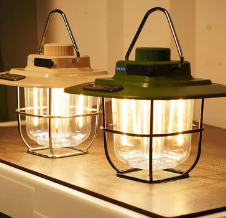
Understanding Battery Life and Charging Options of Camping Lamps
Battery life represents a core aspect of how Camping Lamps deliver illumination when natural light is no longer available in outdoor settings. Power options shape the duration and reliability of that illumination across different activity phases. The way energy is stored, released, and replenished influences the ability of a Camping Lamp to support movement along paths, completion of routine tasks, and general awareness of the immediate area once daylight diminishes. Selection among power systems ties directly to the length of time a Camping Lamp can operate without interruption, particularly in locations removed from conventional support structures.
The interplay between battery capacity and the demands placed on a Camping Lamp determines operational continuity. Energy reserves must align with the sequence of activities that occur after sunset, from initial setup adjustments to later periods of rest or social engagement. Variations in power options allow the Camping Lamp to adapt to the total hours required, ensuring illumination remains available without sudden loss during critical moments. This alignment supports the Camping Lamp in maintaining steady output levels suited to the environment and the tasks at hand.
Power Sources Utilized in Camping Lamps
Power sources in Camping Lamps divide into categories that address distinct patterns of use in outdoor environments. Rechargeable battery systems rely on cells capable of reversing the energy discharge process when connected to an external supply. The chemical composition within these cells stores electrical potential that can be restored through controlled input, allowing the Camping Lamp to cycle through periods of activity and restoration. In practice, the system draws on this stored energy to power the light elements, with the restoration phase occurring during downtime or when compatible connections are accessible.
Disposable battery configurations operate through cells that release stored chemical energy in a single direction until the materials inside reach a point of exhaustion. Once depleted, the Camping Lamp requires insertion of fresh units to resume function. This approach fits scenarios where the Camping Lamp must continue operating over stretches without any opportunity for external energy input. The energy flow remains steady during the active phase, and the replacement process integrates into the routine of maintaining the device without complex procedures.
Integrated hybrid systems incorporate multiple energy pathways within the same Camping Lamp structure. A primary rechargeable component pairs with supplementary mechanisms that introduce energy through different routes, such as surfaces that convert ambient light or components that translate physical movement into electrical current. The arrangement permits the Camping Lamp to shift between pathways based on what is available at the moment, creating a layered approach to energy supply. During extended periods away from fixed points, the hybrid configuration sustains operation by drawing on whichever pathway aligns with prevailing conditions.
| Power Source Category | Energy Release Pattern | Restoration Approach | Alignment with Outdoor Duration |
|---|---|---|---|
| Rechargeable systems | Reversible chemical storage | External electrical input | Extended cycles in areas with periodic access points |
| Disposable configurations | One-direction chemical release | Unit replacement | Continuous operation in isolated locations |
| Integrated hybrid setups | Combined reversible and supplementary pathways | Multiple input routes including light conversion or motion | Sustained function across shifting availability |
The table highlights how each category connects to the overall runtime expectations for a Camping Lamp. Rechargeable systems emphasize repeated cycles, disposable configurations focus on immediate readiness through swaps, and hybrid setups emphasize flexibility across changing circumstances. These distinctions guide how the Camping Lamp integrates into the flow of outdoor activities where energy continuity matters.
The choice among these sources influences the way the Camping Lamp interacts with daily patterns. Rechargeable systems encourage planning around restoration opportunities, while disposable configurations reduce dependence on timing. Hybrid setups add layers that accommodate uncertainty, allowing the Camping Lamp to maintain illumination without rigid schedules. Each option contributes to the broader function of providing light when required, with the Camping Lamp serving as the central element that translates stored energy into visible output.
Influence of Brightness Settings and Light Modes on Battery Duration
Brightness settings establish a direct relationship with the rate at which energy depletes in a Camping Lamp. Higher intensity levels draw more electrical current to generate stronger illumination across larger areas or for tasks requiring detail. The increased draw shortens the interval before reserves diminish, making such settings appropriate for specific moments when wide coverage or clarity takes precedence. Lower intensity levels reduce the current requirement, thereby extending the period during which the Camping Lamp can operate on the same energy store for routine navigation or ambient presence.
Light modes introduce additional layers of control over energy allocation. Certain modes restrict output to levels that deliver basic visibility while minimizing consumption, reserving reserves for later phases. Other modes adjust characteristics such as color balance or output rhythm, each linked to a particular energy profile that matches the surrounding needs. The selection process involves matching the mode to the immediate activity, avoiding excess draw when full intensity is unnecessary.
Usage patterns further shape battery duration in the Camping Lamp. Continuous activation at peak intensity accelerates depletion, whereas intervals of lower demand or complete deactivation allow the system to retain capacity. Alternating between modes according to the sequence of tasks creates a balanced consumption curve. For instance, a shift to reduced output during stationary periods preserves energy for subsequent movement phases, maintaining overall availability without abrupt changes.
The combination of settings and modes allows the Camping Lamp to align output with activity demands in a measured way. This alignment prevents waste during transitional moments and supports longer functional windows. In group settings or extended outings, the Camping Lamp benefits from these adjustments by remaining active across the full span of required illumination without frequent intervention. The result is a device that responds to real-time needs while managing its internal reserves effectively.
Brightness and mode variations also interact with the power source type. Rechargeable systems gain extended cycles through conservative settings, disposable configurations achieve fuller utilization of each unit, and hybrid setups leverage mode shifts to optimize across pathways. The Camping Lamp thus serves as the point where these controls converge, translating user choices into sustained performance across outdoor sessions.
Environmental Conditions and Their Effects on Battery Systems in Camping Lamps
Environmental conditions introduce variables that affect how battery systems perform inside Camping Lamps. Temperature changes alter the pace of internal chemical reactions responsible for energy release. Cooler surroundings slow the reactions, resulting in a reduced effective output rate from the cells even when reserves remain. Warmer surroundings may increase reaction speed or contribute to gradual shifts in capacity retention over repeated exposure cycles. The Camping Lamp experiences these effects through the housing, which transmits ambient thermal conditions to the internal assembly.
Moisture levels and precipitation interact with the enclosure surrounding the battery components. Constructions with sealing elements limit direct entry, yet accumulated exposure over time can place stress on interfaces and joints. The Camping Lamp maintains function when seals handle typical outdoor humidity, but prolonged damp conditions highlight the importance of enclosure integrity in preserving energy pathways. Physical stresses from movement across uneven ground add another layer. Vibrations and occasional impacts travel through the structure, potentially influencing connection points within the battery assembly during transport or repositioning.
Terrain characteristics compound these influences by introducing repeated handling or placement shifts. The Camping Lamp encounters forces that test the stability of internal arrangements, particularly when carried between locations or set down on irregular surfaces. The cumulative impact of such conditions underscores how the battery system responds to the full range of outdoor variables. Temperature, moisture, and physical motion each contribute separately yet overlap in their influence on energy consistency.
The Camping Lamp design accounts for these interactions by incorporating features that buffer the battery assembly from direct environmental transmission. This buffering helps maintain performance levels close to expected parameters, allowing illumination to continue across varying conditions. In practice, awareness of these factors guides placement and handling choices, such as avoiding prolonged direct exposure or securing the device during movement. The result is a Camping Lamp that operates with greater stability when the surrounding environment presents its typical range of challenges.
These environmental effects connect back to power source selection and brightness management. Rechargeable systems may show sensitivity to temperature in restoration efficiency, disposable configurations deliver output less affected by short-term thermal shifts, and hybrid setups distribute influences across pathways. The Camping Lamp integrates all these elements, ensuring that battery duration remains functional despite external pressures. Coordination with campsite arrangements further supports this stability, particularly when surfaces provide level placement that reduces unnecessary motion.
Charging Methods for Power Restoration in Camping Lamps
Camping Lamps stay useful through the night when there are clear ways to bring their power levels back up. Direct charging works through ordinary connections that move energy from a source into the cells. Someone connects the lamp during a quiet moment, perhaps beside a vehicle or at a stop with basic power, and the reserves gradually rebuild. The method fits into ordinary pauses in activity without needing special setups.
Solar charging draws on daylight itself. Surfaces on or near the lamp turn available light into a slow trickle of energy that feeds the system over hours. In clear spots where the sun reaches the ground, this approach adds capacity during the day for later use. It moves at its own pace and gives the Camping Lamp a way to gather power without walls or outlets nearby.
Hand-powered options turn simple effort into electricity. A crank or motion part changes physical movement into current that reaches the cells. A short spell of steady action can supply enough to keep the lamp going when other routes are out of reach. The Camping Lamp gains a self-contained backup that depends only on the person using it.
Each charging route links back to the power sources inside the Camping Lamp. Rechargeable setups often pair with direct connections or solar surfaces. Hybrid versions mix routes so the lamp can draw from whatever happens to be available at the time. The range of choices lets the Camping Lamp adjust to the changing conditions of a trip instead of sticking to one narrow plan. Steady placement during charging helps too — a flat surface keeps connections calm so energy flows without breaks from shifting around.
Portability Considerations and Equipment Integration for Camping Lamps
The way a Camping Lamp travels and settles into place shapes how smoothly it fits into daily outdoor routines. Smaller, lighter builds slip easily into packs and move from one spot to another without becoming a burden. Hooks, clips, or simple bases let the lamp hang from a pole or rest on whatever surface is handy, shifting quickly between travel and use.
Campsite pieces often work together with the lamp. Flat, steady platforms hold it in position so the light covers the areas where people are active. Tables from Camping Table Suppliers commonly provide those platforms, giving a reliable spot that keeps the lamp from sliding or tipping while tasks continue around it. The setup turns the lamp into part of the working space rather than something that needs constant attention.
A few practical sides of portability and integration stand out in real use:
- Smaller overall size that packs alongside other gear without crowding the load during moves along the trail.
- Attachment points that free up table space or hands while spreading light more widely overhead.
- Bases shaped to sit firmly on tables from Camping Table Suppliers, cutting down on readjustments once placed.
- Quick-release features that shorten the time spent handling the lamp when changing from walking to resting phases.
These traits help the Camping Lamp slide into the natural rhythm of camp life. Less handling during placement means the battery system experiences fewer small jolts. In shared setups the lamp often sits near the center of activity on a sturdy table, lighting the space where meals or conversations happen. The blend of easy carrying and stable positioning keeps the device ready while protecting its internal energy parts from extra wear.
Design and Construction Aspects Supporting Battery Performance in Camping Lamps
How a Camping Lamp is put together quietly influences how long its battery system holds steady through repeated outings. Tough outer layers take the everyday bumps that come with packing, carrying, or setting the lamp on rough ground. Sealed spots around openings slow the slow creep of dust or dampness that outdoor air naturally carries.
Weight spread evenly inside the housing avoids putting extra strain on any single connection. Covers over charging points shield them when the lamp travels or sits unused. Switches move with a smooth touch that avoids drawing power through loose or sticky contacts. These details work in the background to shield the energy storage area from the full range of knocks, moisture, and temperature swings that appear on ordinary trips.
Construction details that commonly help battery reliability include:
- Outer shells that keep their shape under normal loads and occasional contact with rocks or gear.
- Joints and seals that manage shifts in air moisture without letting steady buildup occur inside.
- Internal spacing arranged to limit movement of cells when the lamp rides over trails or in a vehicle.
- Covered entry points that keep particles from collecting around important interfaces in open conditions.
Such features help the Camping Lamp keep its energy delivery closer to normal even after many cycles of use and storage. When the lamp rests on tables from Camping Table Suppliers, the even platform adds another layer of calm by limiting sliding or tipping that could jostle internal parts. The overall build supports steady illumination while meeting the range of handling that comes with time spent outdoors.
Practical Power Management Approaches in Outdoor Contexts
Power management in Camping Lamps grows from small daily decisions that add up across the length of a trip. Setting brightness according to the real need at the moment avoids pouring energy into spaces that only require gentle light. Moving between modes as activities change — softer output during quieter times and a bit more when movement picks up — stretches the available reserves in a natural rhythm.
Noticing the weather and surroundings also shapes choices. A drop in temperature or rise in damp air might suggest a small shift in mode or a more sheltered placement to keep output even. Positioning the Camping Lamp on steady surfaces from Camping Table Suppliers keeps it both reachable and secure, cutting down on extra handling that could introduce small drains or shakes.
Some approaches that surface often in practice include:
- Saving higher output for short periods of detailed work rather than running it steadily through the evening.
- Drawing on different pathways in hybrid systems when conditions open one route or another.
- Building brief off periods into the pattern whenever light is not actively needed for safety or tasks.
- Holding the lamp more securely during moves between sites to ease vibration on the battery connections.
These steps weave through the hours of outdoor activity. The Camping Lamp sits at the meeting point of source choice, brightness control, charging timing, and placement decisions. Tables from Camping Table Suppliers quietly support the flow by offering dependable spots that direct light usefully while the battery system stays calmer.
Across all the pieces — the power sources that feed the lamp, the ways brightness and modes release energy, the surrounding conditions that press on performance, the routes that restore capacity, the portability that shapes movement, and the construction that protects the insides — a connected picture takes shape. Everyday management turns those pieces into reliable light that fits the shifting patterns of time spent outside.
Zhejiang Mansen Leisure Products Co., Ltd. appears in industry discussions related to campsite equipment coordination, including tables that complement lighting setups in outdoor configurations.
