

 en
en  English
 Español
 русский
 Deutsch
 عربى
عربى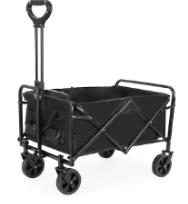
What Is A Camping Cart And Why Is It Useful
A Camping Cart — often called a camping wagon or folding utility cart — is basically a wheeled hauler made for getting all your outdoor stuff from the car to the campsite without killing your back. Think of it as a rugged trolley: load up coolers, tents, sleeping bags, chairs, firewood, water jugs, whatever. Instead of making five trips lugging things by hand, you pile it on and roll it in one or two go's.
Why it's useful? Saves energy big time. Heavy loads feel light on wheels. For families or groups, it's a lifesaver — one person can haul gear for everyone. Keeps things organized and off the dirt or wet grass, so your sleeping bag doesn't get muddy or soaked. Works beyond camping too: beach days, picnics, tailgating, even yard work or moving boxes around. Simple design, but good ones handle bumps, sand, grass without tipping or getting stuck.
The build matters. Wheels need to roll smooth over rough ground. Frame has to be sturdy but not too heavy. Handle should feel comfy for pulling or pushing. Foldable ones collapse small for the trunk. Adjustable or telescoping handles help when terrain changes. All these bits decide if it glides easy or fights you the whole way.
Which Types Of Camping Cart Are Available
Camping Carts come in a few main styles. Each fits different trips, loads, and spots.
- Single-wheel carts — Like a wheelbarrow setup. One big wheel up front. Great for narrow trails or tight paths where you need to maneuver quick. Light loads only, though — overload it and it tips easy.
- Double-wheel carts — Two wheels side by side, like a basic garden cart. More stable than single-wheel. Handles moderate weight better on uneven ground like grass or dirt without tipping as much.
- Foldable Camping Carts — Most popular these days. They collapse flat for storage or car trunks. Super common for weekend campers or beach runs because they're portable.
- Hand-pull vs hand-push designs — Pull ones have a long handle so you tow behind you — good for slopes or soft surfaces. Push ones let you shove from behind — easier on flat ground with heavy stuff, less back strain.
- Four-wheel multifunctional carts — Like mini wagons with four wheels. Extra stable, carry big or uneven loads without wobbling. Often have bigger capacities for families hauling coolers, tents, chairs all at once.
Pick based on your terrain, how much gear, and if you need to pack it small. No one type does everything best — trade-offs everywhere.
How Single-Wheel And Double-Wheel Carts Differ In Performance
Wheel count changes how the cart feels on the move.
Single-wheel ones shine in tight spots. You can pivot sharp, squeeze through narrow trails or between trees. But they demand balance — user has to hold it steady. Overload or hit a root wrong, and it tips. Best for light solo gear or paths where maneuverability beats stability.
Double-wheel versions sit steadier. Two wheels spread the load, so it stays upright easier on bumpy grass, soft soil, or slight inclines. Handles moderate weight without as much tipping risk. Not as nimble in super-tight areas, but way more forgiving for everyday camping hauls.
Single-wheel: quick turns, light duty. Double-wheel: balanced, reliable for rougher stuff.
What Advantages Foldable Camping Carts Offer
Foldable ones win for most people because they pack down small. Unfold for use, then collapse flat when done.
- Compact storage — Fits in a car trunk, garage corner, or even apartment closet without taking much space.
- Easy to haul around — Throw it in the back seat or strap to a roof rack for remote spots.
- Quick setup/fold — Many snap open or closed in seconds — no tools, no hassle after a long drive.
They mix lightweight frames (often aluminum) with tough fabric trays or sides. Carry decent weight without feeling like a brick. Perfect when space is tight or you switch between car camping and shorter trips. The foldability doesn't kill strength much anymore — good ones haul 150-300 lbs easy.
How Hand-Pull And Hand-Push Designs Influence Usage
How you move it changes comfort and what ground it likes.
Hand-pull carts — Long handle lets you tow from the front. Pulls well on hills, soft sand, or uneven paths — weight shifts back to the wheels so you don't fight gravity as much. Great for longer distances or when you want hands free-ish.
Hand-push carts — Shorter handle for pushing from behind. Better on flat pavement, grass, or hard ground — uses your body weight to drive forward, less strain on shoulders or back with heavy loads.
Ergonomic handles (padded, adjustable height) make a difference on long hauls. Load sits balanced over wheels either way — too front-heavy and it digs in; too rear and it tips. Terrain and your preference decide: pull for rough stuff, push for easy flats.
Why Four-Wheel Multifunctional Carts Are Preferred For Certain Activities
Four wheels give max stability — hard to tip even loaded heavy or uneven.
- Stays planted — No wobble on grass, sand, dirt, or slight bumps.
- Handles big loads — Families toss in multiple coolers, tents, chairs, kid stuff — one trip instead of many.
- Versatile — Some have removable sides, extra shelves, cup holders, or attachments for different uses like gardening or tailgating.
They're bulkier and heavier than two-wheelers, so not ideal for tight trails or backpacking. But for car camping, group outings, or beach days where you park close and haul a lot, they shine. Reliability trumps portability here.
Which Materials And Construction Methods Are Common
Materials balance weight, strength, and weather resistance.
- Frame — Aluminum: light, rust-proof, easy to carry. Steel: tougher, holds more weight, but heavier and can rust if not coated.
- Wheels — Rubber or pneumatic (air-filled): smooth roll, good grip on most terrain, quiet. Plastic/solid: cheaper, lighter, but harder ride and wear faster on rocks.
- Tray or fabric sides — Polyester or canvas: holds load, water-resistant, flexible. Some use metal mesh or hard plastic for heavy-duty.
Foldables lean aluminum frame + fabric for portability. Four-wheelers often steel for extra support. Powder coating or rust-resistant treatments help outdoors. Good construction means welded or riveted joints that don't wobble, and wheels that spin true. Pick based on use: lightweight for easy carry, heavy-duty for big loads and rough ground.
| Component | Material Type | Benefit | Consideration |
|---|---|---|---|
| Frame | Aluminum | Lightweight, resistant to rust | Slightly higher cost |
| Frame | Steel | Strong and durable | Heavier, may need maintenance |
| Wheels | Rubber | Smooth rolling, grip on most terrain | Can wear over time |
| Wheels | Plastic | Lightweight, affordable | Less durable on rough terrain |
| Fabric/Tray | Polyester/Canvas | Supports load, resists water | May stretch over time |
How Size And Load Capacity Affect Outdoor Functionality
Size and how much a Camping Cart can carry change everything about how useful it feels on a trip. Get it wrong, and you're either making extra trips or fighting the thing the whole way.
A small cart might only handle a cooler and a couple bags — fine for solo or light setups, but families end up shuttling back and forth from the car. Too big, and it becomes a beast to push or pull, especially when loaded unevenly or on bumpy ground.
Think about:
- How many items you usually bring — tents, chairs, food boxes, water jugs. Count them up and picture stacking them without everything sliding off.
- Weight spread — Pile heavy stuff low and centered over the wheels. Off-balance loads make it tippy or dig in.
- Extra storage bits — Some carts have fold-down trays, side pockets, mesh bags, or hooks. These keep small things like lanterns, water bottles, or snacks handy instead of buried.
- Easy access — Good designs let you load from the side or top without bending too much or stretching over high sides.
The sweet spot balances what you need to haul with how the cart handles terrain. Foldables trade a bit of capacity for packing small. Four-wheelers give you more room and steadiness but take up more space in the car. Match size to your typical load and you'll save energy and frustration.
Tips For Setting Up And Maintaining Camping Carts
Using a Camping Cart right keeps it working smooth and lasting longer. A few habits go a long way.
Before the first haul, do a quick check: unfold it fully, make sure wheels spin free, frame locks solid, and folding parts click in place without forcing. Test the handle — adjust height if it has that option.
After trips, clean the wheels especially. Mud, sand, or grass clippings build up and make rolling harder or wear bearings faster. Hose them off, brush out grooves, and dry well.
Look over the frame now and then — bent tubes, loose screws, wobbly joints. Tighten what you can with basic tools; don't ignore small play because it gets worse quick.
Fold and unfold gently — no yanking or slamming. Rough handling stretches hinges or weakens locks over time.
Store it dry and out of direct sun. Moisture rusts metal parts; UV fades fabric and makes plastic brittle. Keep it in a garage, shed, or covered spot — unfolded a bit if possible to avoid creases.
These little routines make foldable or standard carts stay reliable trip after trip without surprises.
Where And How Camping Carts Are Most Effective
Carts shine or struggle depending on ground and how you use them.
Smooth spots — pavement, packed dirt paths, short grass — almost any cart rolls easy. Flat campground roads or beach boardwalks are perfect.
Soft or loose terrain — sand, mud, thick grass, gravel — needs bigger wheels (air-filled or wide) and at least double wheels for grip and float. Single-wheel ones sink or bog down quick here.
Hills or inclines — Pulling uphill with a loaded cart takes muscle — keep weight light or use a pull design with a long handle. Downhill, control speed so it doesn't run away. Flat ground? Pushing heavy loads feels easier on the body.
For multi-day or group trips — Foldables win because they pack small in the car and store neat at camp. Four-wheelers haul everything in one go, great when parking's close but the site needs lots of gear.
Arrange load smart: heavy low and centered, light on top. Tie down loose stuff with bungees. Pick the right cart for the spot, load thoughtfully, and it makes getting set up way less work.
How Innovation Is Changing Camping Cart Designs
Camping Carts keep getting smarter to match how people actually camp.
One-hand fold mechanisms — Some now collapse or open with a single pull or button. No fumbling with latches after a long day.
Adjustable handles — Telescoping or height settings fit tall or short users better. Less back strain on long walks.
Modular add-ons — Removable trays, clip-on baskets, cup holders, or even small tables that fold out. Keeps gear sorted by type.
Better wheels — All-terrain treads, airless foam-filled tires, or suspension to soak up bumps. Swivel front wheels make turning easier on tight paths.
Lighter but tough frames — Aluminum alloys or composites drop weight without bending or breaking easy. Foldables feel less like lugging a toolbox.
These updates make carts more user-friendly across different heights, terrains, and trip styles — less hassle, more fun.
Why Choosing A Reliable Foldable Camping Cart Supplier Matters
Who makes the cart matters more than you might think.
Good suppliers use solid materials — rust-resistant aluminum, durable fabrics, wheels that don't crack on rocks.
They build with care — frames align straight, folds work smooth every time, joints don't rattle loose after a season.
Spare parts stay available — Need a new wheel, handle grip, or fabric panel? They have them instead of forcing a whole new buy.
They understand real use — Designs come from feedback on stability, ease of fold, how loads sit. Avoids common weak points.
Cheap no-name carts might save upfront but fail in mud, rust fast, or fold awkwardly. A trusted Foldable Camping Cart supplier gives you gear that holds up and works right season after season.
Carts are heading toward smarter, greener, and more adaptable.
Even smaller folds and lighter packs — Easier for city folks with tiny cars or apartments.
Eco materials — Recycled plastics, sustainable fabrics, less harmful coatings. Durable without trashing the planet.
Multi-use builds — Carts that turn into chairs, tables, or storage racks at camp. One item does more jobs.
Better rough-ground performance — Improved suspension, bigger or puncture-proof wheels, so sand, trails, or rocky sites aren't off-limits.
User-friendly tweaks — Quick-release parts, built-in straps, ergonomic grips, maybe even app-connected features down the line for load tips or tracking.
People want carts that pack tiny, carry plenty, handle anything, and feel good to use. New designs keep chasing that mix.
The right Camping Cart comes down to matching it to your trips — how much gear, what terrain, how you move. Wheel types, foldability, pull vs push, size, and build all play in. Load smart, maintain it, pick for the ground, and it turns hauling from a chore into no big deal.
For carts that feel solid, fold easy, and last through seasons, companies like Zhejiang Mansen Leisure Products Co., Ltd. focus on practical details — good materials, smooth mechanisms, reliable performance. They help make outdoor time more about relaxing and less about wrestling gear.
