

 en
en  English
 Español
 русский
 Deutsch
 عربى
عربى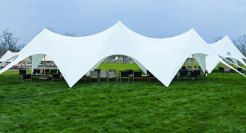
In many outdoor settings, temporary shelter is treated as a supporting detail rather than a central element. Yet experience shows that a Canopy often shapes how outdoor activities unfold from start to finish.Unlike fixed structures, a Canopy moves constantly. It shifts between places, users, and conditions. It is carried, unfolded, adjusted, and stored again. These repeated actions reveal details that may not stand out at first glance. For this reason, choosing a suitable Canopy goes beyond appearance alone. It becomes closely tied to environment, structure, handling habits, and long-term consistency.
Role of Canopy Structures in Outdoor Activity Settings
Outdoor activities rarely take place in controlled surroundings. Open fields, coastal areas, campsites, and temporary gathering spaces all come with changing conditions. In these settings, a Canopy acts as a flexible layer rather than a fixed boundary.
A well-matched Canopy helps define space without closing it off.
- Shade is provided while airflow remains natural
- Coverage exists without creating an enclosed feeling
- The surrounding environment stays visible and accessible
This balance explains why Canopy structures remain widely used across different outdoor scenarios.
From a practical viewpoint, a Canopy is often expected to remain unobtrusive. It should stand without constant attention. Once installed, it should not interrupt activity. When these expectations are met, the structure fades into the background and allows people to focus on what they are doing.
At the same time, a Canopy quietly shapes behavior.
- Size influences how people spread out
- Height affects comfort and movement
- Stability influences confidence when conditions shift
Environmental Conditions Influencing Canopy Selection
Outdoor environments shape how a Canopy behaves over time. Sun exposure, wind movement, and rainfall interact with the structure in different ways. These factors rarely remain constant and often shift within a single day.
Sunlight affects surface materials gradually. With repeated exposure, some coverings soften while others become more rigid. A Canopy intended for outdoor use must handle this cycle without losing balance or form. Shade performance is not only about blocking light but also about how the surface responds after heating and cooling again and again.
Wind adds another layer of complexity.
- In open areas, air flows evenly across the surface
- In semi-enclosed spaces, gusts may change direction suddenly
Rain introduces gravity into the equation. Water collects, moves, and drains across the surface. Poor flow leads to pooling, while controlled flow guides water away from occupied areas. Over time, these patterns influence how seams and surfaces respond to repeated stress.
Ground conditions also matter. Soft soil, compacted earth, or paved surfaces each affect how anchors perform. A Canopy that adapts to different ground types reduces setup strain and helps prevent uneven loading.
Structural Design Considerations for Outdoor Canopy Use
Structure forms the quiet framework of a Canopy. The layout of the frame determines how force moves through the system. Clear, simple structures often behave more predictably than complex arrangements.
Connection points play a key role. Wherever poles meet, tension gathers.
- Well-designed joints distribute stress evenly
- Stable connections reduce localized strain
- Balanced force improves overall consistency
Height and clearance also shape usability. A structure that sits too low can restrict movement. One that stands too high may invite stronger wind influence. Balanced proportions help maintain comfort while supporting stability.
Design influences handling as well. A Canopy that folds in a logical sequence is easier to manage during setup and breakdown. This becomes especially important when conditions change quickly and adjustments need to happen without delay.
From a Canopy Supplier perspective, structural clarity supports consistent use. Designs that behave predictably reduce the need for correction during installation and allow attention to remain on the activity itself.
Material Characteristics and Practical Performance
Materials determine how a Canopy feels both during use and while being handled. Flexible coverings ease folding and storage. Firmer surfaces help maintain shape once installed. Practical performance comes from balancing these traits rather than favoring one.
Covering materials interact with frames throughout repeated use.
- Folding introduces stress lines
- Setup tension stretches surfaces
- Exposure to air and moisture changes texture over time
Materials selected for outdoor Canopy use must absorb these cycles without sudden or uneven change.
Surface consistency affects both appearance and function. Uneven behavior leads to sagging in some areas and excessive tightness in others. Over time, this imbalance alters water flow and wind response.
Frame materials support overall form. They must resist bending during use while remaining manageable during transport. When frames and coverings respond in similar ways to environmental change, the structure stays balanced.
Below is a simplified comparison of common Canopy material behavior in outdoor use:
| Aspect of Use | Flexible Surface Response | Firmer Surface Response |
|---|---|---|
| Folding and Storage | Easier to compress and pack | Holds shape but resists tight folding |
| Setup Tension | Adapts smoothly to pulling | Requires careful alignment |
| Weather Exposure | Adjusts gradually over time | Maintains form with less movement |
| Long-Term Appearance | May soften evenly | Retains sharper lines |
Weather Interaction and Shelter Behavior
A Canopy does not block weather completely. Instead, it redirects and moderates environmental effects. Understanding this interaction helps set realistic expectations.
Rainwater follows gravity. The slope and surface tension of the Canopy determine where water travels.
- Controlled runoff protects occupied space
- Poor flow leads to pooling and added surface load
Air movement beneath the Canopy shapes comfort. Open sides allow heat to escape, while limited airflow can trap warmth. Seasonal use often involves compromise rather than optimization for a single condition.
During extended outdoor use, weather interaction becomes cumulative. A Canopy that performs well in short exposure may behave differently after repeated setup cycles. Materials relax, tension shifts, and anchor points settle.
Observation over time often reveals more than initial testing. A Canopy that remains steady without frequent adjustment supports consistent outdoor routines.
Installation Methods and Site Adaptability
Installation shapes both first impressions and long-term performance. A Canopy that installs smoothly encourages proper alignment. One that resists setup increases the chance of uneven tension.
Ground anchoring varies by surface.
- On softer ground, anchors rely on depth
- On harder surfaces, placement and distribution matter more
Uneven terrain introduces further challenges. Adjustable legs and adaptable frames help compensate for slopes. Without this flexibility, stress tends to concentrate unevenly across the structure.
Repositioning also plays a role in real use. Outdoor activities evolve. Shade needs shift as the sun moves. A Canopy that allows repositioning without full disassembly supports practical, everyday adjustments.
Portability and Daily Handling in Outdoor Use
Outdoor activities usually involve movement. Not once, but again and again. A Canopy is taken out, folded up, moved, stored, then used the next time. These repeated actions shape the real experience more than any single setup.
Portability is often understood as weight, but daily handling tells a wider story. How the frame balances when lifted. Whether the folded shape stays neat. How easy it is to place into a vehicle without forcing it.
Over time, a few details tend to stand out in regular use:
- Fold behavior
A frame that follows the same folding path each time reduces hesitation during setup.
- Natural grip points
Clear places to hold the structure make movement feel safer and more controlled.
- Packed stability
When the folded Canopy holds its shape, transport becomes simpler and less distracting.
Frequency of Use and Wear Patterns
Not every Canopy sees the same rhythm of use. Some are opened only on certain occasions. Others are assembled and packed away repeatedly within short periods.
With frequent movement, wear tends to show in familiar places. Hinges shift slightly. Corners soften. Fabric along tension lines changes texture. These signs usually appear slowly, without affecting function at first.
Common patterns often include:
- Contact points between fabric and frame
- Areas pulled tight during setup
- Sections exposed during repeated folding
When these areas are considered during design, wear spreads more evenly. The structure ages in a balanced way rather than failing at one weak point.
From a Canopy Supplier viewpoint, real-world use cycles often reveal more than controlled testing. Daily repetition exposes details that only appear over time.
Maintenance Habits and Long-Term Stability
Maintenance rarely feels urgent, yet it shapes how a Canopy behaves months or years later. Simple habits tend to make the biggest difference.
Surface care affects more than appearance. Dirt changes how fabric moves. Residue alters flexibility. Regular, gentle cleaning helps materials keep their original feel.
Storage habits matter as well. A Canopy folded without excessive pressure allows the structure to rest naturally. Tight compression, over long periods, often leaves marks that do not fully recover.
Practical care usually follows a few straightforward ideas:
- Let surfaces dry before packing
- Avoid forcing joints into position
- Store in a way that supports the frame's natural shape
None of these steps require special routines. They simply respect how materials respond to use and rest.
Adaptability Across Different Outdoor Activities
Outdoor spaces rarely stay the same. Ground levels shift. Shade direction changes. Activities move or pause. A Canopy that adapts to these shifts remains useful across different settings.
Adaptability often shows up in modest ways. Adjustable height helps manage sunlight. Open sides allow air to pass through. A neutral structure fits into varied layouts without demanding a specific setup.
In practice, adaptable Canopy use often includes:
- Small position changes without full disassembly
- Stable placement on uneven surfaces
- Coverage that protects without enclosing
Rather than serving one fixed purpose, adaptable designs accept variation. This reflects how outdoor activities actually unfold.
Observations from the Canopy Supplier Perspective
Within the supply process, feedback accumulates slowly. One comment means little. Repeated patterns carry more weight.
A Canopy Supplier often pays attention to how structures behave after extended use. Ease of handling. Changes after repeated cycles. Small frustrations that appear only in everyday situations.
Typical observation points include:
- Setup behavior under less-than-ideal conditions
- Handling by users with different experience levels
- Structural changes after ongoing folding and storage
Long-Term Selection Logic Without Overstatement
Choosing a Canopy is rarely about a single moment. It is about how the structure fits into repeated use. Conditions change. Needs shift. The Canopy responds gradually.
A suitable Canopy does not draw attention to itself. It sets up without resistance, adjusts when needed, and behaves predictably over time.
Selection becomes clearer when everyday factors are considered first. How it feels to carry. How it behaves after months of use. How naturally it fits into changing outdoor spaces.
From this angle, a Canopy is not a highlight feature. It is a working presence. When chosen with care, it supports outdoor activity quietly and consistently.
