

 en
en  English
 Español
 русский
 Deutsch
 عربى
عربى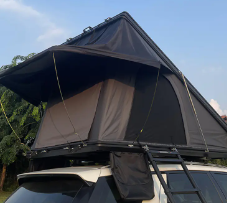
Observations from a range of outdoor travel settings suggest that interest in vehicle-based camping has developed quietly over time. Experiences connected with Zhejiang Mansen Leisure Products Co., Ltd. reflect a pattern seen elsewhere: adoption has been driven by repeated use rather than promotion. Among various mobile shelter options, the Rooftop Tent has become familiar through everyday travel routines and changing expectations around comfort and movement.
Rather than being treated as a novelty, it is increasingly viewed as a practical extension of the vehicle itself. Its role is shaped less by image and more by how it fits into real travel habits.
Changing Outdoor Travel Habits and the Rise of Rooftop Tent Use
Outdoor travel no longer follows a single rhythm. Some travelers move frequently, stopping only long enough to rest. Others prefer slower routes with longer stays. These different approaches have reshaped how sleeping space is planned and carried.
A Rooftop Tent aligns well with this shift. It provides a fixed sleeping area that moves with the vehicle, removing the need to search for suitable ground at the end of each day. For many users, this consistency becomes part of the appeal.
There is also the matter of separation. Being elevated creates distance from uneven surfaces, damp ground, and everyday disturbances found at ground level. Over time, this physical separation contributes to a sense of order, especially for travelers who value routine while remaining mobile.
What began as a specialized choice has gradually entered more common use. Its growth has been guided by repeated experience rather than short-lived trends.
Core Advantages of Using a Rooftop Tent
The advantages of a Rooftop Tent often reveal themselves during regular use. One of the most frequently mentioned benefits is familiarity. The sleeping space feels the same from one location to the next.
Setup routines become second nature. Opening the tent, securing it, and preparing the interior follow a predictable sequence. After long hours of driving, this predictability reduces decision-making and physical effort.
Users often point to several practical benefits:
- Separation from ground moisture and surface debris
- Less time spent searching for flat or clear terrain
- A defined boundary between sleeping and other activities
- Reduced exposure to insects and minor disturbances
Comfort develops gradually. Many travelers adjust their setup over time, leaving personal items in place across multiple stops. This continuity helps create a sense of stability, even as surroundings change daily.
Practical Limitations and Trade-Offs in Rooftop Tent Use
Alongside its advantages, a Rooftop Tent introduces certain compromises. Added height changes how a vehicle behaves. Turning feels different. Sudden stops draw more attention. These changes are subtle but noticeable, especially at first.
Access can also influence daily comfort. Climbing up and down becomes routine for many users, but certain situations make it less convenient. Poor weather, low light, or physical fatigue can all make access feel more demanding.
Storage outside of travel periods requires planning. The tent remains part of the vehicle even when not in use. Installation and removal take time and care, particularly to avoid strain or surface damage.
These limitations do not necessarily discourage use, but they shape expectations. Understanding them early helps travelers decide when and how a Rooftop Tent fits their routine.
Safety Considerations When Sleeping in a Rooftop Tent
Safety is often one of the first concerns raised when discussing elevated sleeping arrangements. In practice, safety depends largely on preparation and habit rather than height alone.
Secure installation forms the foundation. Proper mounting, balanced load placement, and regular visual checks help ensure stability. Once these basics are in place, the structure tends to feel consistent and predictable.
Environmental awareness also plays a role. Wind conditions, parking surface, and surrounding activity all affect comfort. Experienced users often develop simple routines before settling in for the night.
Common safety-related habits include:
- Choosing level and stable parking spots
- Limiting unnecessary movement while inside
- Checking mounting points as part of routine use
- Staying aware of weather changes overnight
Initial hesitation often fades as familiarity grows. Over time, confidence develops through repetition rather than reassurance.
Vehicle Compatibility and Support Requirements
Vehicle compatibility is an important consideration. Not every vehicle supports a Rooftop Tent in the same way. Suitability depends more on roof structure and overall balance than on vehicle size.
Vehicles with stronger roof systems tend to adapt more easily. Others require careful evaluation of mounting solutions and driving behavior. Weight distribution affects more than just installation; it influences everyday handling.
Driving dynamics change subtly. Braking requires more anticipation. Turns feel wider. Uneven roads encourage slower movement. These adjustments often lead users toward calmer, more deliberate driving styles.
Understanding these changes helps align vehicle choice with travel goals. Compatibility is less about limits and more about awareness and adaptation.
| Vehicle Aspect | Influence on Rooftop Tent Use |
|---|---|
| Roof structure | Determines mounting stability |
| Overall balance | Affects handling and comfort |
| Daily driving habits | Shape safety and control |
| Storage space | Influences travel flexibility |
Daily Use Experience and Adaptation Over Time
Daily interaction with a Rooftop Tent gradually reshapes travel routines. Initial use is often deliberate. Movements are slower. Each step is checked. This caution reflects adjustment rather than difficulty.
As use continues, routines settle. Opening and closing the tent follows a consistent order. Bedding is stored in a familiar way. Fasteners and access points are secured with little conscious effort. These repeated actions reduce uncertainty at the end of travel days.
Several patterns tend to emerge over time:
- Setup becomes more efficient without feeling rushed
- Movement within the tent grows steadier
- End-of-day routines feel structured rather than improvised
Mental adaptation follows physical familiarity. Elevated sleeping no longer feels unusual. Environmental sounds become predictable. Minor vehicle movement is anticipated rather than distracting. Confidence develops through repetition rather than instruction.
Planning behavior also shifts. Parking decisions are made earlier and with greater care. Surface stability, wind exposure, and surrounding space are assessed with overnight comfort in mind. These changes occur gradually, shaped by use rather than intention.
Role of Rooftop Tent Wholesaler in Market Stability
Behind individual use lies a broader supply framework. A Rooftop Tent Wholesaler influences product consistency, regional availability, and the reliability of user expectations.
Consistency supports continuity. When similar designs and mounting systems remain available across markets, users encounter fewer adjustments. Setup procedures remain familiar. Replacement components align without unexpected variation. Shared experience develops across regions.
Information flow also contributes to stability. Observations from regular users travel through distribution channels and inform gradual refinements. This feedback loop aligns product development with real conditions rather than assumptions.
While the Wholesaler remains largely invisible in daily travel, their role supports predictable use. Stable supply and clear guidance reduce uncertainty, allowing users to focus on planning and movement rather than compatibility.
Evaluating Long-Term Value Beyond Initial Use
Long-term value is assessed through sustained use rather than early impressions. A Rooftop Tent demonstrates its practicality over repeated trips, where consistency and reliability become more apparent.
Value appears in routine moments. Reduced time spent locating suitable sleeping areas. Evenings that follow a familiar pattern. Rest that feels consistent regardless of location.
Indicators of long-term value often include:
- Continued ease of setup across varied conditions
- Structural stability without frequent adjustment
- Maintenance that remains manageable over time
Care practices influence this evaluation. Regular attention preserves flexibility in materials and alignment in components. When systems remain responsive, daily use feels dependable rather than demanding.
Ultimately, long-term value aligns with compatibility. When the tent integrates smoothly into travel habits, it becomes a stable element of the journey rather than an occasional convenience.
Environmental and Situational Factors Affecting Performance
Performance varies with environment. Climate, terrain, and storage conditions each influence how a Rooftop Tent functions over time.
Wind introduces movement that affects comfort. Heat influences airflow and internal conditions. Cooler environments change material response. Users gradually adapt through adjustments in positioning, ventilation, and timing.
Terrain selection affects rest quality. Level ground supports stability. Uneven surfaces require careful placement. Over time, environmental assessment becomes an integral part of setup rather than a secondary concern.
Storage between trips also matters. Clean and dry conditions help preserve materials and structure. Allowing full drying before storage reduces long-term issues.
These factors do not limit use but shape experience. Performance improves as users respond more precisely to surrounding conditions.
Integrating Rooftop Tent Use Into Broader Travel Planning
Effective use of a Rooftop Tent depends on alignment with broader travel planning. Route selection, daily distance, and stopping patterns all influence how the tent is incorporated.
Some travelers plan shorter travel days to maintain consistent evening routines. Others adjust schedules to account for setup and access needs. These decisions reflect a shift toward deliberate pacing.
Vehicle management adapts accordingly. Driving behavior becomes steadier. Parking considerations expand beyond convenience. Rest and fuel planning incorporate setup requirements.
When integration is successful, the tent functions as an extension of the vehicle rather than an accessory. Travel becomes more orderly. Evenings follow a stable rhythm. Movement from one location to the next feels intentional and composed.
