

 en
en  English
 Español
 русский
 Deutsch
 عربى
عربىAsk five different people what "outdoor recreation" means to them, and you'll probably get five different answers. One person pictures a quiet garden morning with coffee and a paperback. Another thinks about loading up a car for a weekend camping trip. Someone else just wants a bench in the local park where they can sit for twenty minutes before heading back to work. Different as these habits are, there's usually a shared thread running underneath — people want somewhere comfortable to stop moving for a bit, look around, and let their brain settle. The Elastic Hammock has slid into that role for a lot of outdoor gear bags lately. It doesn't ask much of the environment around it. Two anchor points, a bit of space, and it's ready. Instead of belonging to one specific outdoor activity, it tends to show up wherever people already are — weekend hikes, family barbecues, quiet backyard afternoons. That flexibility, more than any single feature, explains why it keeps showing up across such different outdoor routines.
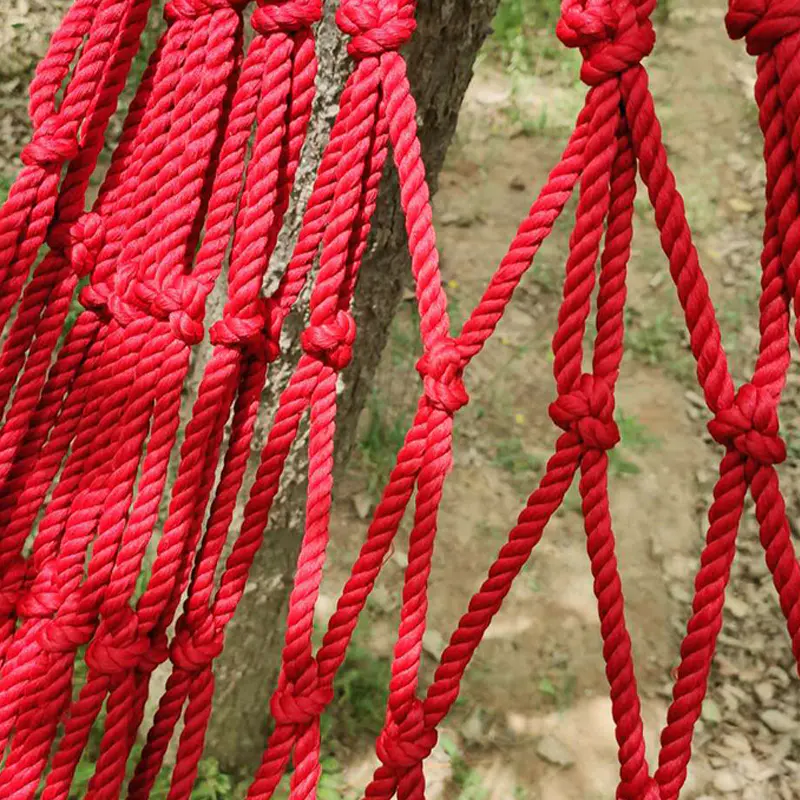
Why Does It Work Across So Many Different Settings?
A mountain trail doesn't feel anything like a backyard patio. A forest campsite has a different rhythm than a stretch of beach. Gear that only works in one of these places tends to get left in a closet the rest of the year.
An Elastic Hammock avoids that trap mostly because it doesn't try to dominate whatever's happening around it. It just gives people a spot to pause without becoming the whole point of the outing.
In practice, people end up using it for things like:
- catching a break partway through a longer outdoor day
- sitting quietly somewhere green for a while
- reading through a chapter or two outside
- hanging around with friends or family without needing chairs
- carving out a resting spot at a campsite
Nobody's outdoor trip gets built around the hammock. It just fits into whatever else is already going on.
What Draws Campers Toward This Kind of Hammock?
Camping trips are never just one thing. There's cooking dinner over a small stove, maybe a short hike before lunch, sitting around talking as it gets dark, and somewhere in between all that — moments where nobody's doing much of anything.
That in-between space is where a hammock tends to earn its spot in the gear pile.
A small pocket of quiet at a busy site. Campgrounds get loud, especially with kids running around or multiple families sharing space. Stringing up a hammock a bit off to the side gives someone a spot to disappear for twenty minutes without actually leaving.
Room for the slower parts of camping. Morning coffee, watching fog lift off a lake, reading before the day gets going — a hammock puts a person a few feet off the ground for these moments, which somehow changes how they feel.
Working with whatever layout the site happens to have. Open field, dense trees, uneven ground — campsites rarely look the same twice. A hammock tends to bend around whatever's actually there instead of needing a flat patch of open space the way a chair or table might.
How Do Hikers Actually Use These Mid-Trail?
Hiking gets talked about like it's all forward motion, but anyone who's done a longer trail knows rest matters just as much as the walking part.
Sitting on a rock or a fallen log works fine in a pinch. Still, plenty of hikers who carry lightweight hammocks say the difference is noticeable — legs recover faster, and there's something about being slightly suspended that just feels better than sitting flat on the ground.
| Hiking Moment | How the Hammock Gets Used |
|---|---|
| A scenic overlook | resting while taking in the view |
| Mid-forest trail | short breaks between stretches of walking |
| Longer nature outings | stretching out during extended rest stops |
| Group hikes | one shared spot where a few people can sit together |
Nobody treats the hammock as a destination on its own. It's more like a checkpoint — pause here, recover a bit, then keep going.
Why Does It Show Up So Often in Backyards Too?
Not every outdoor moment needs a car ride to get to. Plenty of people build their whole outdoor routine within about thirty feet of their back door.
Gardens and patios have quietly become where a lot of family life actually happens — kids playing nearby, someone grilling, another person just sitting with a drink watching the evening cool down. An Elastic Hammock slides into that setup pretty easily since there's nothing complicated about stringing it up between two posts or trees.
Backyard use tends to look like:
- reading through an afternoon
- half-listening to music while doing nothing else
- sitting with family after dinner
- watching the sky change color before sunset
- taking a short break between yard chores
- just decompressing on a weekend with no real plans
The backyard works like a second living room this way, and the hammock becomes one of its more comfortable corners.
Does It Work for Groups, or Is It Just a Solo Thing?
Most hammocks are built with one person in mind, sure. But that doesn't mean they disappear once other people show up.
Picnics, backyard barbecues, evenings at a group campsite — somewhere in the middle of all that socializing, people still need a spot to step back for a few minutes. A hammock tucked at the edge of the gathering gives someone that option without pulling them out of the day entirely.
It's a small thing, honestly, but it changes the feel of a gathering a bit. Guests notice when there's somewhere quiet to retreat to before jumping back into conversation.
What's Worth Thinking About Before Setting One Up?
Different outdoor settings come with different expectations, so it helps to think through a few things before assuming a hammock will just work wherever it's brought.
What's the actual plan for the day? A camping trip usually leaves room for longer stretches of downtime. A hiking trip might only allow for quick pauses here and there. That difference changes how much use the hammock will actually get.
How much walking or movement is involved overall? Someone spending a full day in the backyard has very different needs from someone covering eight miles on foot. Knowing which one applies helps narrow down what actually matters in a hammock.
Is this staying in one spot, or coming along on trips? Some people leave a hammock strung up in the same backyard corner for months. Others fold it into a backpack every weekend. Neither approach is wrong — just different habits.
How Does It Actually Add to Outdoor Comfort?
Comfort outdoors rarely comes from one single object. Fresh air helps. So does decent weather, a bit of quiet, and not being rushed anywhere.
Still, a hammock does its part in a few specific moments.
Early mornings, before things get busy. Some people like being outside before the rest of the day picks up momentum — before phones start buzzing, before anyone else is awake. A hammock gives that quiet stretch somewhere comfortable to happen.
Right after physical effort. A short hike, a bike ride, even just yard work — the body usually wants a minute to settle afterward. Being slightly suspended, swaying just a little, tends to feel different from just sitting on a stump or the ground.
During the slower stretches of being outside. Watching branches move, hearing birds somewhere nearby, noticing how the light shifts as the afternoon goes on — none of this requires effort, but it does help to have a comfortable spot to actually notice it from.
What Does Basic Upkeep Look Like?
Gear left outside deals with more wear than most people realize — sun fading fabric, dew soaking into it overnight, dust building up after a dry weekend at a campsite.
A few habits keep things in usable shape longer:
- wipe it down after use, especially after dusty or muddy trips
- make sure it's fully dry before folding it away
- store it somewhere it isn't baking in direct sun for weeks at a time
- give it a quick once-over before packing it for the next trip
- stick with whatever care instructions came with it, since materials vary quite a bit
None of this takes long. Skipping it repeatedly, though, tends to catch up with the fabric eventually.
Why Does This Keep Showing Up Across Such Different Outdoor Habits?
Outdoor recreation doesn't wait for big trips anymore. A lot of it happens in smaller pieces now — a Saturday afternoon here, a short hike there, an evening in the backyard that turns into something worth remembering. An Elastic Hammock fits that pattern because it doesn't ask for permanence. One weekend it's tied between two trees at a campsite. The next, it's hanging quietly in a backyard while someone reads through a slow afternoon. Camping, hiking, and backyard time don't really overlap much on paper. But they all circle back to the same basic want — a spot to slow down for a while, notice what's actually around, and not feel rushed while doing it. That's really the whole reason this thing keeps ending up in so many different outdoor bags.
