

 en
en  English
 Español
 русский
 Deutsch
 عربى
عربىSomewhere between a lazy Saturday and a two-day camping trip, a lot of people end up asking the same question: which hammock actually fits how I live outside? Some folks just want a spot in the garden to disappear into a book for an hour. Others are hauling gear up a trailhead and want something that packs small but still feels good after six miles of walking. Hammocks solve the same rough problem either way — give the body somewhere off the ground, off the hard bench, off the dirt. But once you start comparing an Elastic Hammock against the kind your grandparents probably strung up between two trees, the differences start showing themselves pretty fast. Neither type dominates the other. It's less about ranking them and more about matching gear to habit.
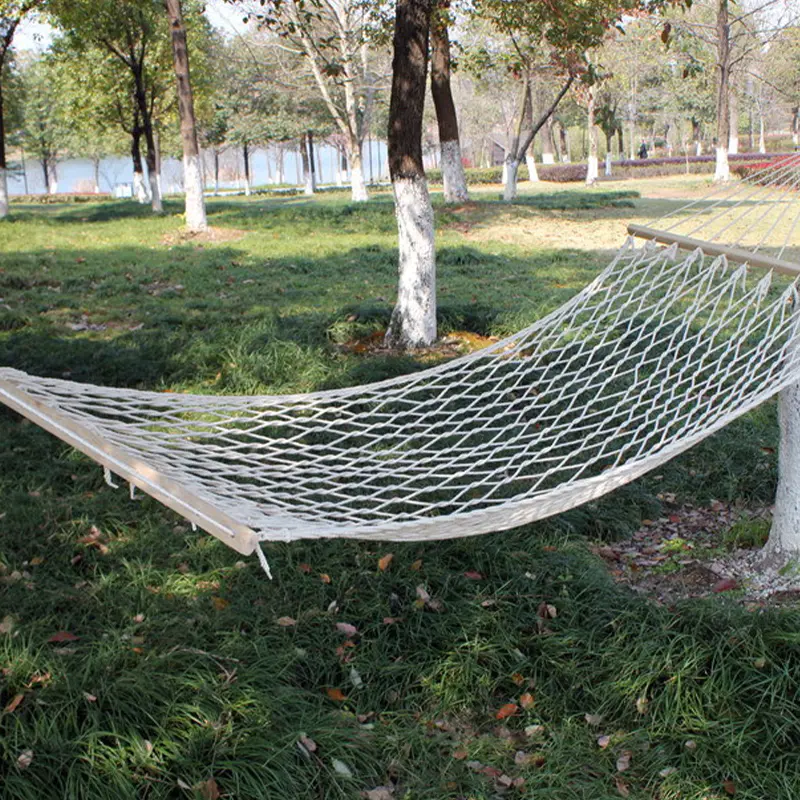
What's Actually Different Between These Two?
Both objects do the same basic job — hang fabric between two points, let a person climb in, provide rest. That part hasn't changed in decades.
A Traditional Hammock keeps things straightforward. The fabric stays fixed once it's strung up; you sit or lie down, and the tension holds you where you are. Not much give to it, not much surprise either.
An Elastic Hammock throws a bit of give into that equation. The material stretches slightly as weight shifts, so climbing in feels a bit different — more responsive, a little bouncier depending on how someone settles.
Both still aim at the same handful of things:
- somewhere to rest outside
- a relaxed atmosphere without much setup
- support during downtime between activities
- making an outdoor space feel more livable
Where they split apart is in how they respond once someone's actually in them.
| Comparison Area | Elastic Hammock | Traditional Hammock |
|---|---|---|
| Design focus | flexes with body movement | holds a fixed shape |
| Feel while resting | shifts and adjusts | stays fairly still |
| Common setting | active outdoor routines | casual backyard use |
| Overall vibe | newer, adaptable gear | familiar, classic setup |
Someone who's used both usually notices this within the first few minutes of lying down.
Comfort Isn't the Same Thing to Everyone
People throw the word "comfortable" around like it means one fixed thing. It doesn't.
Some want the hammock to move a little when they shift their weight — almost like it's reacting to them. Others find that unsettling and would rather the surface just... stay put.
An Elastic Hammock tends to respond as the body moves. Roll onto your side, adjust your legs, lean back further — the material follows along instead of resisting. That's a pretty different sensation from a hammock that just holds its shape no matter what you do inside it.
A Traditional Hammock gives you that second experience — steady, predictable, nothing shifting underneath you unexpectedly. For plenty of people, that predictability is exactly the point.
A few situations make the contrast clearer:
After a long walk or hike. Some people want a hammock that sways a bit while their legs recover — that motion feels almost like it's part of the recovery. Others just want to lie flat without extra movement.
Reading on a Sunday afternoon. A hammock that gives a little as you shift positions can make an hour-long read feel less stiff. Though honestly, plenty of readers do fine with a fixed hammock too — depends on the person.
Casual weekend hangouts. Traditional Hammocks still hold their ground here. Nothing wrong with sticking to something simple when nothing fancy is needed.
Why Some People Gravitate Toward the Elastic Version
Outdoor routines don't stay in one place anymore. A weekend might involve a garden Saturday morning and a campsite by Sunday night. Gear that can follow along tends to get picked more often.
It travels between settings without complaint. Garden today, campsite tomorrow, a quick stop at a park somewhere in between — the same hammock works across all of it.
The movement itself becomes part of the appeal. A slight sway or give while resting appeals to people who find complete stillness a bit boring, honestly.
It matches how outdoor gear has generally shifted. Lighter, more adaptable, less permanent — that's the direction a lot of camping and backyard equipment has drifted toward over the years, and hammocks aren't really an exception.
Why Plenty of People Still Reach for the Traditional Kind
There's a reason these haven't disappeared. Some things people just don't want changed.
It feels familiar. A lot of people grew up around this exact object — strung between two backyard trees, swaying slightly in summer heat. That kind of memory carries weight nobody really talks about but everyone kind of feels.
It settles into a space without fuss. Patios, gardens, small yards — a Traditional Hammock fits into these without needing much thought about how it'll behave once someone's inside it.
Simplicity is sometimes the whole point. Not everybody wants their resting spot to respond to them. Some people just want somewhere to sit that stays exactly how it started.
Different Settings, Different Fits
Where someone actually spends time outdoors tends to shape which type feels right.
| Environment | Elastic Hammock | Traditional Hammock |
|---|---|---|
| Backyard | reading, casual downtime | garden lounging, simple resting |
| Campsite | breaks between hikes | classic camp relaxation |
| Park | short pauses during a walk | casual seating spot |
| Travel spots | packable, moves easily | steady, familiar setup |
Somebody chasing trailheads on weekends probably leans toward flexibility. Somebody who mostly wants a quiet backyard corner might not care about that at all.
Questions Worth Asking Before Buying Either One
Doesn't take much — just a bit of honest thinking about actual habits.
What kind of resting feeling do you actually want? Some people like a bit of sway. Others get mildly seasick from it, no joke. Know which camp you're in before buying.
Where's this thing going to live, mostly? Backyard corner, camping trunk, car for road trips — the answer changes what matters.
How often does it get packed up and moved? Frequent travel usually pushes people toward something that folds down small and doesn't weigh much.
Is this a solo spot or something shared? A hammock meant for one quiet afternoon alone is a different animal from one meant for family gatherings where more than one person might climb in.
None of these questions have a universally right answer. They just help narrow things down toward what actually fits.
Keeping Either Type Around Longer
Sun, rain, dust — outdoor gear takes a beating whether it's elastic or traditional. A bit of basic care stretches how long either one stays usable.
Worth doing regularly:
- wipe it down after outdoor use, especially after dusty trips
- let it dry fully before folding it away — mildew doesn't care what type of hammock it grows on
- store it somewhere it won't just sit in direct sun for months
- check stitching and support points before heading out again
- follow whatever the manufacturer actually recommends, since materials vary
Skipping this stuff doesn't cause immediate problems, but it adds up over a season or two.
Can They Both Just... Do the Same Job?
Sure, mostly. Both create a spot to unwind outdoors. The experience underneath that spot is where they part ways.
Someone chasing a more responsive, movement-friendly resting spot probably leans elastic. Someone who wants a hammock that behaves exactly the same every single time probably sticks with traditional.
Neither one wins outright. It really does come down to what a person's actually looking for when they climb in.
How Daily Habits End Up Deciding This
Outdoor gear tends to mirror how someone actually spends their free time, more than people realize.
A person who's out camping every other weekend probably wants something that survives being crammed into a car trunk repeatedly. A person who mostly relaxes in their own backyard might not think about portability at all — comfort and familiarity matter more.
Either way, the hammock stops being just "equipment" pretty quickly. It becomes the spot where reading happens, where conversations drift on for longer than planned, where an afternoon quietly turns into evening without anyone noticing.
Picking between elastic and traditional really just comes down to noticing which version already fits how someone spends their outdoor hours — not which one sounds better on paper.
