

 en
en  English
 Español
 русский
 Deutsch
 عربى
عربىSpending time outside has quietly become a habit for a lot of people, not just an occasional weekend indulgence. Some folks just want a quiet hour in the garden with a book. Others would rather load up the car and head to a campsite, or maybe just wander into the woods for an afternoon. And as this outdoor habit keeps shifting shape, gear that blends comfort with ease of use keeps drawing attention.
Among the pieces of equipment people reach for when they want to unwind, the Elastic Hammock has carved out a strange sort of loyalty. It's not complicated. You don't bolt it to anything, you don't need a crew to set it up — it just gives you a spot to slow down, wherever you happen to be. Two trees in a backyard, a stretch of grass at a campsite, even a patio corner. It works.
What makes it stick around in people's gear bags isn't one single trait. It's more that the thing bends to whatever life throws at it — travel plans, weekend routines, whatever outdoor activity someone's into that season. Getting a handle on what this object actually is, and why so many keep circling back to it, says something about where outdoor living is headed.
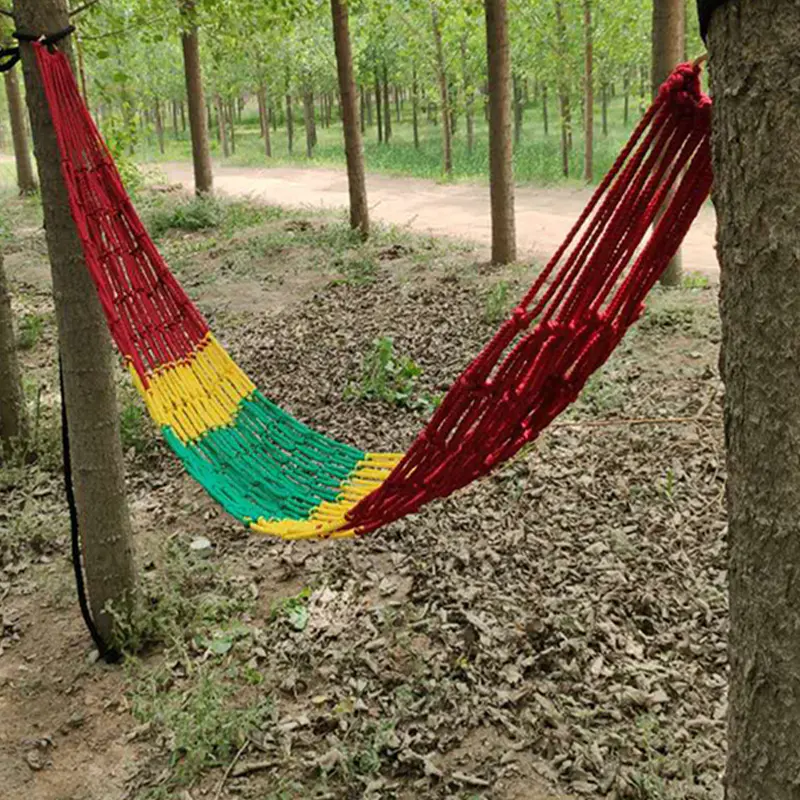
So What Exactly Is an Elastic Hammock?
Picture a suspended sling built to hold your body weight while flexing along with you. That's roughly it. Compared with a rigid lounge chair or a bench, this thing moves — it gives a little, sways, settles into whatever position feels right at the moment.
The "elastic" part isn't just branding language. It describes how the material responds once someone climbs in and shifts around. Nothing about it stays rigid; it adjusts, almost like it's negotiating with your body.
Designs differ quite a bit from brand to brand, sure, but the underlying goal barely changes:
- give people a spot to rest that actually feels good
- support that lazy, unwind-outdoors mood
- work as a seating option you can carry with you
- adapt to whatever environment you drop it into
- pull people outside a little more often than they'd otherwise go
In a sense, the hammock stops being "equipment" at some point. It just becomes part of however someone experiences the outdoors that day.
Why Has This Thing Caught On So Much Lately?
Outdoor recreation doesn't look the way it did years back. People now gravitate toward gear that's light, uncomplicated, and works whether you're in a park or three states away at a lake house. An Elastic Hammock checks a surprising number of these boxes at once.
It bends with whatever plans come up. One weekend it's a park bench substitute; the next, it's strapped between pines at a campground; sometimes it never leaves the backyard. That kind of flexibility matters more than people admit.
It gives permission to slow down. Not every outdoor moment needs to involve hiking boots and forward motion. Sometimes it's just reading, chatting with a friend, watching clouds do nothing in particular. A hammock more or less builds a little pocket of stillness into whatever else is happening.
It fits into whatever routine someone already has. Hikers use it one way, campers another, and plenty of people just want it in the garden for a Sunday afternoon. Nobody has to rearrange their whole setup to make room for it.
None of this reads like a passing fad, honestly. It looks more like a shift in how people define "spending time outdoors" in the first place.
Where Does It Actually Get Used?
Versatility is probably the word people reach for most when explaining why they bought one. It travels well across pretty different settings.
| Location | How People Tend to Use It |
|---|---|
| Backyard | daily unwinding, family downtime |
| Garden | reading, resting, soaking in scenery |
| Campsite | building a comfortable resting corner |
| Park | brief pauses between activities |
| Beach | lounging near the water |
| Forest / wild spaces | recovering mid-adventure |
The setting shapes the experience more than people expect. A backyard hammock might stay strung up for hours at a stretch. At a campsite, it folds into the whole trip — cooking, hiking, sitting around a fire, then the hammock. A quick park visit? Maybe just fifteen minutes before moving on with the day.
Does It Really Make Outdoor Time More Comfortable?
Comfort means different things depending on who you ask. For some, it's escaping a packed schedule for a bit. For others, it's giving tired legs a break after a long walk.
Support that moves with the body. Because the structure flexes rather than resists, it settles into whatever position a person shifts toward — leaning back, curling sideways, whatever.
A calmer atmosphere overall. Instead of a hard bench or standing around, there's a dedicated spot built for doing nothing much. That slight swaying motion tends to blend into the whole outdoor mood rather nicely.
A built-in excuse to pause. Not every trip outside needs constant motion. Sometimes the best part of a day outdoors is simply sitting still in it for a while.
Worth remembering — comfort isn't only about the object itself. Fresh air, scenery, the weather that day, all of that plays into how good the experience actually feels.
What Kinds of Outdoor Activities Pair Well With It?
The hammock's role shifts depending on what someone's actually doing outside.
Camping. Between setting up tents, cooking, and socializing, there's usually downtime. A hammock gives that downtime somewhere comfortable to happen.
Hiking. Some hikers pack light gear specifically so they can rest partway through a longer trek. A hammock becomes a checkpoint of sorts — rest, then keep moving.
Backyard downtime. Not everything requires packing a bag and driving somewhere. Loads of people build relaxing corners right at home, and a hammock slides into a patio or garden without much fuss.
Beach trips. People who linger by the water for hours often want something besides sand to sit on. A hammock adds another way to enjoy the same view.
Same object, wildly different contexts — that's sort of the appeal.
What Should Someone Think About Before Buying One?
Picking outdoor gear usually starts with a fairly basic question: how will this actually get used?
Where will it spend most of its time? Someone who mainly lounges in a backyard has different needs than someone constantly on the move.
How often will it get packed up and hauled somewhere? If travel is frequent, portability and easy storage start mattering a lot more than they otherwise would.
What kind of outdoor activities are actually planned? Camping trips, casual picnics, hiking breaks, backyard lounging — each nudges the decision in a slightly different direction.
Who's actually going to use it? Solo relaxation is one thing; a hammock meant for group gatherings or shared use is a different animal entirely.
None of this comes down to looks. It comes down to how someone actually lives.
How Does This Fit Into How People Live Outdoors Now?
Outdoor living has loosened up quite a bit. Trips outside aren't reserved for vacations the way they might've been a generation back. A short walk in the park, a weekend camping trip, an afternoon in the garden — all of it counts now, and all of it happens more often than before.
An Elastic Hammock slots into this because it doesn't demand a fixed spot. It travels with whoever owns it, shifting from one setting to the next without much hassle. That mobility opens up a handful of small, ordinary moments:
- reading under some trees
- resting after a long walk
- talking with family in the evening
- watching a sunset without much else going on
- grabbing a quiet break during some outdoor event
The hammock isn't dictating what the outdoor experience should be. It's just there, ready, whenever someone wants to use it that way.
How Do People Keep One in Good Shape?
Gear tends to last longer with a bit of regular attention, even something as simple as a hammock. Requirements vary by product, obviously, but a few habits tend to help across the board.
Worth keeping in mind:
- wipe it down after outdoor use
- let it dry out fully before putting it away
- store it somewhere sensible between trips
- give it a quick check before heading out again
- follow whatever care notes came with the specific product
None of this takes much effort, but skipping it tends to shorten how long the thing stays usable.
Why Do People Keep Coming Back to This?
Gear tends to stick around in someone's rotation when it becomes tangled up with actual memories — resting after a long hike, reading in the garden on a lazy Sunday, sitting with friends at a campsite as the fire burns low. An Elastic Hammock earns its place by giving people somewhere comfortable to pause, without turning the whole outdoor experience into a production.
Its growing popularity says something about how people approach recreation these days. A good number of outdoor enthusiasts want gear that slips easily into whatever setting they're in, doesn't require a manual to operate, and works across a wide range of activities. As gardens, parks, campsites, beaches, and wilder patches of land keep drawing people who just want a moment of stillness, the Elastic Hammock stays a familiar, unassuming companion — nothing flashy, just reliably there when someone needs it.
