

 en
en  English
 Español
 русский
 Deutsch
 عربى
عربى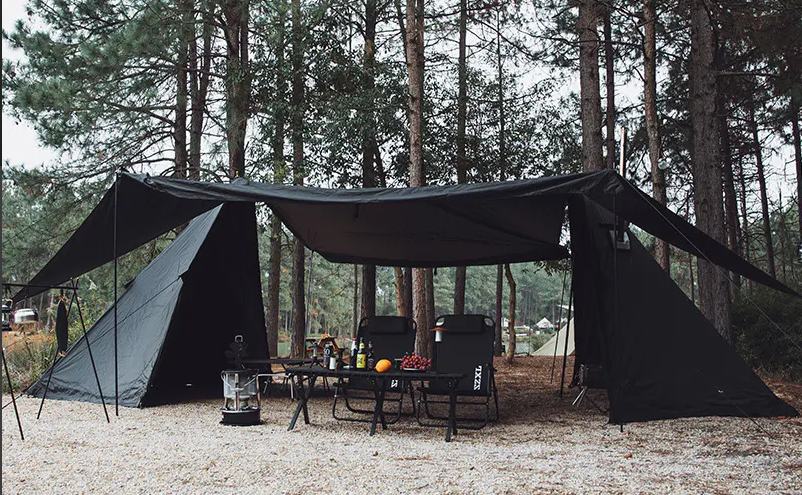
Setting up a Canopy outdoors can be simple on flat ground, but uneven surfaces create challenges that many users notice immediately. A slightly tilted leg or a soft patch of soil can make a Canopy Tent wobble, and even small movements can be distracting or unsafe. Outdoor conditions vary widely. Grass, dirt, sand, or mixed surfaces each behave differently under the same setup.
Stability becomes crucial when the Canopy is used for gatherings, markets, or work purposes. People expect the structure to stand firm, the fabric to stay taut, and the frame to carry weight evenly. When everything is aligned, Outdoor Canopy Tents feel secure and reliable, but even minor misalignment shows how sensitive the system can be.
Ground Conditions and Their Effects
Not all outdoor spaces are the same. Understanding the type of ground beneath a Canopy is a first step in achieving stability.
- Slopes: Even gentle slopes cause one side of the tent to carry more load. The frame must compensate for the tilt.
- Soft spots: Wet soil or sand can compress under weight, allowing legs to sink slightly and creating imbalance.
- Mixed surfaces: Patches of grass, rocks, or uneven dirt can lead to legs resting on different heights, increasing wobble.
Each surface requires slightly different handling. A rigid frame will resist some movement, but small adjustments in leg placement often make the biggest difference.
Frame Positioning and Leg Adjustment
The frame forms the skeleton of the Canopy. On uneven ground, positioning legs correctly is key.
- Adjust each leg individually to follow the contours of the surface.
- Aim to keep the main structure visually level rather than forcing perfect symmetry.
- Minor shifts can reduce stress on joints and prevent twisting.
Manual height adjustments help in real use. Some tent frames allow telescopic legs or removable extensions, which make it easier to compensate for dips or slopes. Overextending one leg too far, however, may reduce stability, so careful incremental adjustments are usually better.
Footing and Base Contact
The way a tent touches the ground matters as much as the frame itself. Proper contact increases friction and reduces wobbling.
- Leg pads or feet: Rounded or wider feet prevent sinking into soft soil.
- Surface friction: Rubber or textured feet grip better on slippery or mixed surfaces.
- Simple improvements: Small stones or wooden blocks can raise a leg slightly to match adjacent legs.
Good footing also spreads weight more evenly. Uneven contact leaves some legs carrying more force than others, which can lead to stress or minor bending over time.
Anchoring Techniques
Anchoring is a straightforward way to boost stability, especially on irregular terrain. Even a well-positioned Canopy benefits from anchors.
- Stakes: Drive them into the ground at an angle, adjusting depth according to soil softness.
- Ropes or cords: Tie to frame corners and secure to stable objects or additional stakes.
- Weighted solutions: Sandbags or water-filled weights can hold legs down on hard surfaces.
Placement is important. Anchors should balance the structure, not pull more on one side than another. For uneven ground, adjusting anchor height or angle can compensate for dips and slopes.
Weight Distribution Strategies
How weight is shared across the Canopy affects stability. Uneven load can make even a sturdy frame feel unsteady.
- Avoid concentrating weight on one corner or side.
- Spread equipment, people, or accessories evenly.
- Keep heavy objects close to the frame's center when possible.
A simple rule of thumb: each leg should bear a similar portion of the load. When combined with proper footing and anchors, Outdoor Canopy Tents remain firm even on challenging terrain.
| Factor | Practical Approach | Notes |
|---|---|---|
| Ground Slope | Adjust legs individually | Maintain visual level |
| Soft or Mixed Surfaces | Use pads, blocks, or weights | Spread load evenly |
| Frame Positioning | Minor shifts to relieve stress | Avoid overextending one leg |
| Anchoring | Stakes, ropes, weighted objects | Balance pull from multiple angles |
| Weight Distribution | Center heavy items, equal load on legs | Prevent tilting or wobbling |
Canopy Shape and Fabric Tension
The shape of a Canopy Tent plays a big role in how it behaves on uneven ground. Roof design, the height of the peak, and the slope all affect how fabric stretches and sits across the frame.
- High peaks: Water and debris slide off easily, but the Canopy may catch wind more.
- Sloped roofs: Help water run off evenly and prevent sagging, especially on tilted surfaces.
- Flat panels: Easier to put up, but tension has to be checked carefully to avoid water pooling.
Fabric tension works together with the frame. If the fabric is pulled too tight, the tent can tilt slightly to one side or pull on the legs. Too loose, and flapping occurs, which can make the structure feel less stable. Taking time to adjust fabric evenly on all sides is simple, but it makes a real difference in how secure the Canopy feels.
Environmental Factors Affecting Stability
Outdoor conditions are rarely constant. Wind, moisture, and soft ground all affect how Outdoor Canopy Tents stand.
- Wind: Even gentle gusts can tip the Canopy if the legs are uneven or anchors aren't strong.
- Rain: Wet soil can soften, and legs may sink slightly. Heavy rain on the roof adds extra weight.
- Foot traffic: Movement near the tent can shake the legs or corners, especially on uneven surfaces.
Watching these factors and making small adjustments as needed keeps the Canopy firm. Sometimes it is easier to adapt to the ground than to try to make it perfectly flat.
Setup Sequence and Best Practices
The order of setup can make a big difference in stability. A careful sequence saves time and avoids problems later.
- Start by placing legs on the highest or most solid points of the surface.
- Gradually extend the frame, checking alignment at every stage.
- Attach fabric or covers last, making sure tension is balanced.
Even short checks during assembly prevent small tilts from becoming bigger issues. Adjustments made early take far less effort than correcting problems after everything is fully extended.
Common Mistakes to Avoid
Even experienced users can make mistakes. Knowing what to avoid helps as much as knowing what to do.
- Forcing symmetry where the ground doesn't allow it can stress the frame.
- Ignoring minor height differences leads to wobbling over time.
- Using only one adjustment method—such as just anchoring—without also adjusting legs and footing reduces stability.
These are easy mistakes to make, but a little awareness and careful observation prevent them. Simple attention pays off more than relying on the Canopy's materials alone.
Practical Adjustments During Use
Once a Canopy is standing, the ground or weather may change. Small tweaks help keep things secure and safe.
- Shift legs slightly if the ground settles under weight.
- Retighten fabric after rain or wind.
- Reposition weights or anchors if the soil compresses.
Checking these things regularly keeps the Canopy firm with minimal effort. Over time, users develop a feel for small shifts, making setup faster and more reliable.
User Experience and Long-Term Observations
Repeated use shows that stability depends on multiple factors: leg adjustment, anchor placement, fabric tension, and user attention.
- Canopies that adapt to uneven ground feel more dependable.
- Balanced frames reduce wear on fabric and joints.
- Simple habits—checking footing, monitoring weather, spreading weight evenly—matter more than heavy frames or expensive materials.
Over multiple setups, a Canopy performs better when these habits are applied. Observations from parks, markets, and open spaces show that adaptability matters as much as initial strength.
A Canopy Tent that handles uneven terrain well provides confidence for outdoor events, markets, or workspaces. Minor adjustments over time prevent stress on the frame and fabric, helping the Canopy last longer. These insights are incorporated by manufacturers like Zhejiang Mansen Leisure Products Co., Ltd. , which designs canopies to remain stable.
