

 en
en  English
 Español
 русский
 Deutsch
 عربى
عربى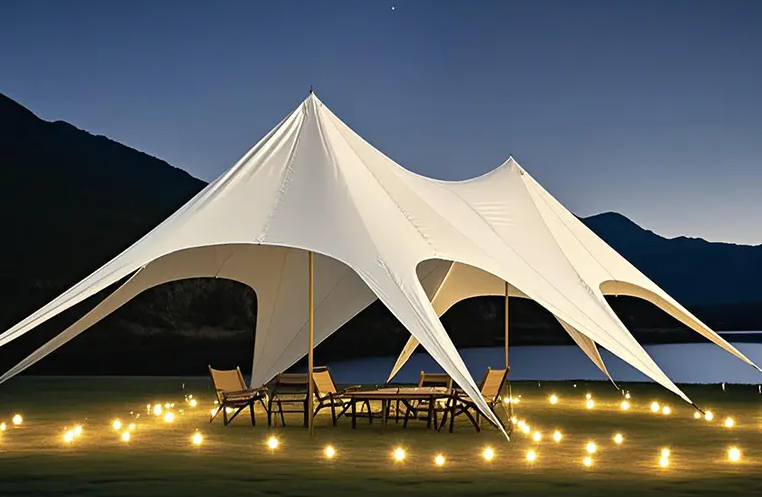
Outdoor spaces often need some kind of shelter, and Outdoor Canopy Tents are a practical choice. Picking the right canopy isn't just about looks. Stability, durability, and ease of setup all matter. A tent that doesn't fit the situation can be frustrating or even unsafe. Knowing how different tents behave in real outdoor conditions makes a big difference.
Whether it's for a small backyard gathering, a market stall, or an outdoor work area, the right canopy adds comfort and protection. Ground conditions, wind, and what you plan to do under the tent all influence how it should be set up. Thinking ahead before buying from a Canopy Supplier can save a lot of adjustments later and prevent unexpected problems.
Purpose and Usage Considerations
How a canopy will be used often guides the choice.
- Events: Quick setup and flexibility are needed for gatherings.
- Markets or booths: Frequent assembly requires a strong but light frame.
- Workspaces: Shelters for outdoor work need to stand up to wind and uneven surfaces.
- Leisure: Camping or backyard use favors convenience and easy transport.
Duration matters as well. A canopy for short-term use can be light and easy to carry. Semi-permanent setups need stronger frames and thicker fabric. Knowing the main use helps narrow down what frame materials, canopy size, and anchoring methods to consider.
Fabric Materials and Their Properties
The fabric is a major part of how a canopy performs. It influences water resistance, sun protection, and durability.
- Polyester: Lightweight and simple to handle, often coated to resist water.
- Polyethylene: Heavier and more waterproof, suited for longer or repeated use.
- Canvas: Breathable and strong, lets air flow but needs care to prevent mold.
Other fabric qualities to consider:
- Coating that prevents rain from soaking through
- Sun protection to slow fading and wear
- Tear resistance to handle wind or rough conditions
Balance is key. Too heavy and it's hard to move. Too light and it might not hold up in windy areas. Properly tensioned fabric keeps the tent stable and avoids sagging in the middle.
Frame Structures and Stability
The frame is the backbone of a canopy. Material and construction affect both strength and portability.
- Aluminum: Light, resists rust, easy to move.
- Steel: Heavier, very strong, handles frequent use.
- Fiberglass: Flexible, somewhat light, less common for heavy duty.
Design matters too. Telescopic legs let you adjust height. Interlocking corners keep the frame lined up. Stability comes from both weight distribution and how the frame holds the fabric. Wind or uneven ground quickly shows differences between frame types.
Size and Space Planning
Choosing the right size affects both comfort and safety.
- Width and depth: Enough space for people, furniture, or equipment.
- Height: Tall enough to move without bending, low enough to reduce wind stress.
- Footprint: Space for walkways, vehicles, and surrounding obstacles.
A canopy too small feels cramped. Too big, it may catch wind and wobble. Careful planning keeps it safe and practical.
| Feature | Consideration | Notes |
|---|---|---|
| Width/Depth | Fit occupancy and equipment | Avoid overcrowding |
| Height | Sufficient clearance for movement | Balance peak height vs wind |
| Footprint | Room for setup and surrounding area | Check uneven surfaces and obstacles |
| Equipment Fit | Space for tables, chairs, or tools | Keep entryways clear |
Portability and Storage
How a canopy is moved and stored affects how useful it really is.
- Folding or collapsible frames make transport easier.
- Lighter fabrics make handling simpler but may be less durable.
- Storage bags protect the tent from dust, moisture, and sunlight.
Portability is key for market stalls or temporary events. A frame that folds easily reduces effort during setup. Proper storage keeps fabric and frame in good condition and helps the canopy last longer.
Anchoring and Ground Compatibility
How a canopy anchors to the ground is as important as its frame and fabric. Different surfaces need different approaches. Soft soil might require stakes pushed deep, while hard or paved surfaces rely on weights or sandbags. Uneven ground introduces challenges—one leg might sit higher than others, which can tilt the canopy.
- Check the area for slopes, rocks, or roots.
- Adjust leg lengths if possible to compensate for unevenness.
- Use multiple anchor points for stability, not just one or two.
A canopy performs best when the anchors, frame, and surface all work together. Small adjustments during setup can prevent the tent from shifting or wobbling later. Observing how the canopy sits on the ground before putting up the cover is a simple but often overlooked step.
Accessories and Add-Ons
Optional components can change how a canopy works. Sidewalls, lighting, or extra weights can improve usability, but they also add setup steps.
- Sidewalls: Offer protection from wind or sun, can be rolled or zipped.
- Weights and sandbags: Keep tents stable on soft or paved surfaces.
- Lighting or hooks: Add convenience for evening events or hanging items.
When adding accessories, balance is important. Too many attachments can strain the frame or fabric, especially in wind. Careful placement and even tension help the canopy maintain its shape and stability.
Safety and Regulatory Considerations
Safety comes first. Even a well-built canopy can pose hazards if installed incorrectly or used in risky conditions.
- Check local guidelines for temporary structures if necessary.
- Fire-resistant fabrics reduce risk at crowded events.
- Inspect frame joints and anchor points regularly.
Wind, rain, or uneven surfaces can turn a canopy unstable. Simple practices—like lowering sidewalls during gusts or tightening fabric after rain—improve safety. Awareness and small adjustments often matter more than heavy frames or complicated designs.
Maintenance and Durability
Regular care keeps a canopy working well for a long time. Fabric should be cleaned to remove dirt and debris, and stored dry to avoid mold or mildew. Metal frames need occasional checks for rust or bent joints.
- Wipe the canopy fabric after use, especially if wet.
- Inspect joints, screws, and telescoping legs.
- Replace small parts as needed rather than waiting for bigger issues.
Even lightweight canopies last longer if treated carefully. Small habits like drying the fabric completely before storage or checking anchor points after heavy use can prevent common problems.
Supplier Selection and Support
Choosing a reliable Canopy Supplier matters. Quality of materials, clarity of instructions, and availability of replacement parts all affect long-term satisfaction.
- Look for suppliers that offer guidance on setup and maintenance.
- Compare frame and fabric quality between suppliers.
- Consider responsiveness for replacements or technical questions.
A trustworthy supplier provides not just a product but also support for its practical use. For people who frequently use canopies, this support is as valuable as the tent itself.
User Experience and Long-Term Performance
Repeated use teaches what really matters in a canopy. Stability, fabric tension, and leg adjustments all contribute to a smooth experience. Canopies that are easy to set up, adaptable to uneven ground, and simple to maintain generally perform better over time.
- Check footing before each use.
- Adjust anchors or leg heights as soil compresses.
- Balance load evenly when placing equipment under the canopy.
Minor adjustments over time prevent stress on the frame and fabric. Observations from markets, parks, and outdoor events show that adaptability matters most. A well-designed canopy not only stands firm but also keeps setup simple and predictable. Manufacturers, including Zhejiang Mansen Leisure Products Co., Ltd. , focus on creating tents that remain stable in irregular outdoor conditions while providing practical ease of use.
