

 en
en  English
 Español
 русский
 Deutsch
 عربى
عربى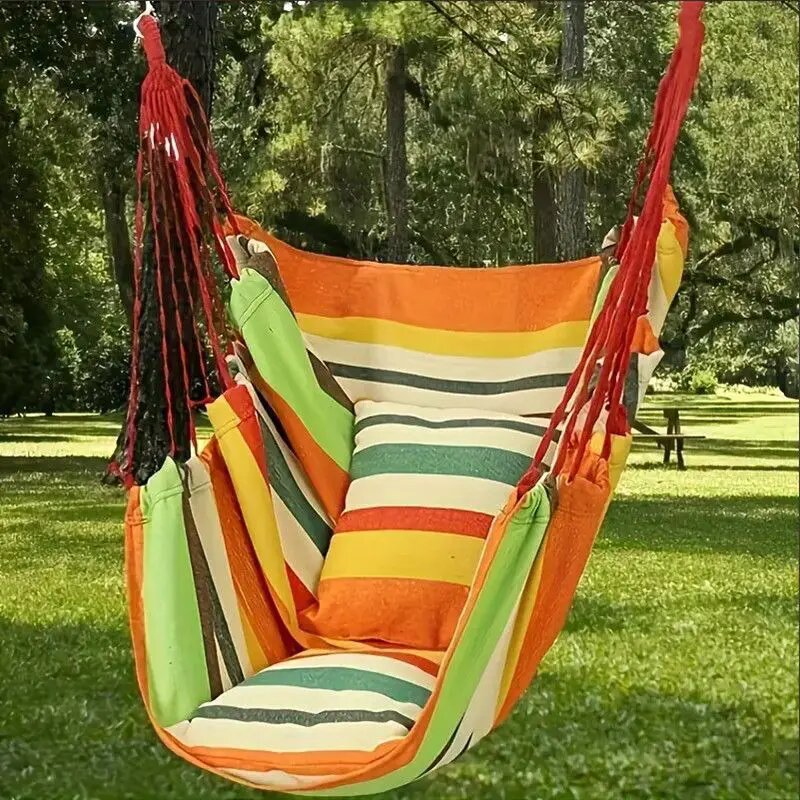
Why Are Hammock Important In Outdoor Leisure
Hammock have become a simple but important part of outdoor leisure. They let people rest above the ground. No mud, no damp grass. Just a small space to relax.
Zhejiang Mansen Leisure Products Co., Ltd. is often referenced in discussions about outdoor equipment. Hammock have become a simple but important part of outdoor leisure. They let people rest above the ground. No mud, no damp grass. Just a small space to relax.
Outdoor Camping Hammocks offer more than a place to lie down. They give you a sense of personal space. Even in crowded areas, a Hammock feels like a small retreat.
They affect posture too. Suspended slightly, the body relaxes differently than on a bench or blanket. Some use them for a few minutes, others for longer periods.
Outdoor Camping Hammocks offer more than a place to lie down. They give you a sense of personal space. Even in crowded areas, a Hammock feels like a small retreat.
They affect posture too. Suspended slightly, the body relaxes differently than on a bench or blanket. Some use them for a few minutes, others for longer periods.
- Creates personal space in shared outdoor areas
- Keeps clothes clean and dry
- Encourages relaxed posture
- Works for short breaks or long rests
Different designs reflect different needs. Solo users move around a lot. Groups need wider and stronger support.
What Basic Features Define A Hammock
A Hammock is more than fabric between two points. It balances support, comfort, and portability.
Solo Hammock focus on weight and compact storage. Easy to carry, easy to set up. Outdoor Camping Hammocks for one person. Quick rest stops. Minimal effort.
Group Hammock focus on shared support. Wider fabric. Extra suspension points. Can hold multiple people. Fabric and frame must distribute weight evenly.
Key features include:
- Suspension system: ropes, straps, frames
- Frame support: flexible or rigid
- Fabric: breathable, durable, weather-resistant
- Capacity: solo or group use
Every design decision depends on how the Hammock will be used. Solo hikers. Family groups. Different habits, different needs.
How Solo Hammock Differ From Group Hammock
Solo Hammock are narrower. Lightweight. Fold easily. Perfect for one person. Carry them in a backpack. Set up along a trail. Few suspension points. Supports one body.
Group Hammock are wider. Stronger. Reinforced suspension. Can hold two or more people comfortably. Weight spread across more points. Fabric does not sag too much.
Key differences:
- Size: solo narrow, group wide
- Suspension: solo fewer points, group multiple points
- Weight: solo light, group heavier
- Comfort: solo more movement, group even support
Solo Hammock fit mobile use. Group Hammock suit shared rest spaces.
Which Outdoor Situations Favor Solo Hammock
Solo Hammock shine when mobility matters. Short hikes. Backpacking. Quick rest stops. Lightweight folding Outdoor Camping Hammocks are ideal. Easy to store, easy to carry.
Typical situations:
- Hiking trips needing minimal weight
- Small campsites with limited space
- Short-term breaks or naps
- Personal space in busy areas
| Hammock Type | Ideal Users | Portability | Setup Effort | Space Requirement |
|---|---|---|---|---|
| Solo | Individual | High | Quick | Minimal |
| Group | Multiple | Moderate | Moderate | Larger |
Portable, light, quick to set up. Solo Hammock are easy to bring anywhere.
Which Outdoor Situations Favor Group Hammock
Group Hammock fit multiple users. Family trips. Friends camping together. Parks or semi-permanent outdoor areas. Stability matters. Fabric holds everyone evenly.
Situations where group Hammock work well:
- Family or friends sharing a campsite
- Parks or recreational areas
- Longer stays needing steady support
- Activities where multiple users sit together
Group Hammock often take a bit longer to set up. Extra straps or frames sometimes needed. But comfort is shared. Everyone has space and support.
How Materials And Construction Affect Hammock Performance
Materials make a big difference in Hammock. The fabric must be strong yet flexible. Breathable but durable. Solo Hammock often use lighter fabrics. Easy to fold, easy to carry. Group Hammock need sturdier materials. The fabric must support more weight and resist stretching.
Frames and suspension systems also vary. Lightweight folding Outdoor Camping Hammocks use aluminum or light steel. Easy to move, simple to set up. Group Hammock may have heavier frames. Strong enough to keep multiple people safe.
Construction details matter too. Stitching, reinforcements, and attachment points affect safety and comfort. Even small differences can change how a Hammock feels or how long it lasts.
- Solo Hammock: focus on portability and flexibility
- Group Hammock: focus on strength and stability
- Reinforcements: extra stitching, stronger suspension points
The combination of materials and construction determines durability, comfort, and ease of use.
How Comfort And Support Vary Across Designs
Comfort is more than a wide fabric. Seat angle, suspension tension, and weight distribution all matter. Solo Hammock allow more movement. The fabric adapts to your body. You can adjust slightly without much effort.
Group Hammock provide even support. Each user's weight is spread across the fabric and suspension points. This prevents sagging and maintains stability for everyone.
Considerations include:
- Seat width and angle
- Suspension flexibility
- Adaptation to single or multiple bodies
- Duration of sitting or lying
Solo users may enjoy slight rocking or recline. Group users need balance and consistent tension.
How Portability And Setup Influence Hammock Choice
Portability often guides selection. Lightweight folding Outdoor Camping Hammocks are easy to carry. They fit in backpacks. Setup is usually simple. Few straps or tools needed. Perfect for moving between sites.
Group Hammock are heavier and take more effort. They need larger space for setup. Sometimes multiple straps or frames. Stability is more important than quick portability.
Practical tips:
- Solo: foldable, light, minimal assembly
- Group: sturdy, wide, more setup time
- Location matters: trees, poles, or flat ground
Portability and setup are always trade-offs. One design favors speed. The other favors stability.
How Durability And Maintenance Differ Between Solo And Group Hammock
Solo Hammock face stress at attachment points from frequent folding and moving. Proper care keeps them functional. Dry after rain, remove dirt or sand, store folded.
Group Hammock experience shared load. Stress is spread over more fabric and suspension points. Still, cleaning and checking for wear is important. Moisture and sun can affect all outdoor Hammock.
Maintenance habits:
- Wipe down fabric after use
- Check straps and suspension
- Keep dry when stored
- Repair minor wear promptly
Care routines are simple but effective. Proper handling extends the life of both solo and group designs.
How Lifestyle And Usage Frequency Influence Selection
Lifestyle shapes choice as much as design. Solo travelers, hikers, and backpackers favor light, compact Hammock. Easy to move, quick to set up.
Group users, families, or friends camping together prioritize shared comfort. Stability and space take priority over weight.
Other considerations:
- Frequency of outdoor trips
- Ease of carrying versus length of stay
- Solo relaxation versus shared activity
- Storage space at home or in a vehicle
Practical habits often decide what type of Hammock feels right.
Why Both Solo And Group Hammock Continue to Coexist
Both types exist for good reason. Solo Hammock are convenient for movement. Group Hammock provide comfort for multiple users. Each fills a role in outdoor leisure.
Manufacturers observe how people use Hammock. Feedback informs design improvements. Some designs adapt to solo or group use without completely changing the core structure.
Coexistence reflects balance. Mobility and flexibility alongside stability and shared comfort. Both designs remain relevant because outdoor habits are diverse.
What Ultimately Determines The Right Hammock For Each Situation
The right Hammock depends on context. Where you'll set it up. How long you'll use it. Whether you're alone or with others.
Lightweight folding Outdoor Camping Hammocks suit solo trips. They are easy to carry and quick to assemble. Group Hammock suit shared spaces. They provide reliable support and more room.
The choice is practical. Based on environment, comfort needs, and usage. Not about which design is better in general. It's about what fits the situation best.
