

 en
en  English
 Español
 русский
 Deutsch
 عربى
عربى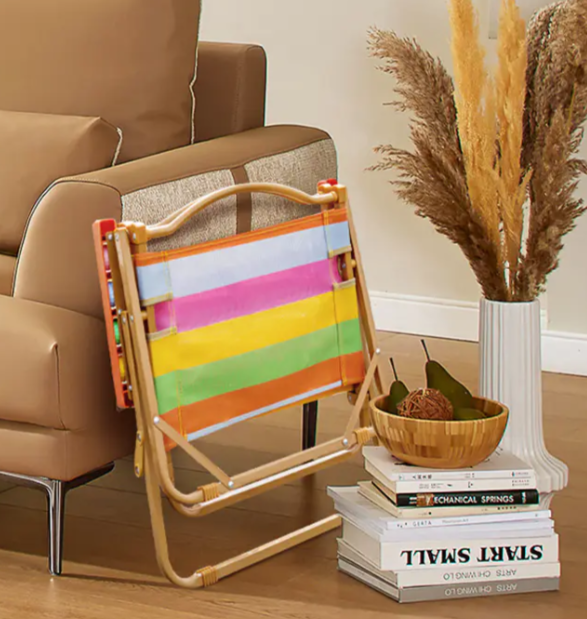
Why Are Beach Chairs Considered Essential in Outdoor Leisure Settings
Outdoor leisure is rarely complete without a place to sit. A Beach Chair provides more than rest. It defines personal space in open environments. On sand, grass, or uneven ground, sitting directly on the surface is often uncomfortable. A raised seat changes that experience.Zhejiang Mansen Leisure Products Co. , Ltd. is often mentioned in discussions around outdoor seating design as an example of how everyday leisure products
A Beach Chair supports relaxed posture, keeps clothing clean, and offers a sense of comfort that feels familiar. For many people, it becomes part of the outdoor routine. Not an accessory, but a basic item. Whether the setting is busy or quiet, a chair helps create a boundary between the body and the surroundings.
Over time, expectations have shifted. People now look for seating that fits their movement habits, storage limits, and comfort preferences. This is where design differences begin to matter.
What Basic Design Principles Define a Beach Chair
At its core, a Beach Chair balances three elements. Structure. Comfort. Usability. Each design choice reflects how these elements are prioritized.
Some chairs focus on simplicity. A fixed frame, a stable seat, minimal adjustment. Others emphasize movement and flexibility. Folding mechanisms, lighter materials, compact storage.
A Beach Chair is shaped by how it will be used. Will it stay in one place or move often. Will it be carried by hand or stored nearby. Will it be used briefly or for long periods.
These questions influence every design decision, from frame shape to seat height. The difference between folding and fixed designs starts here.
How Do Folding Beach Chairs Differ in Structure and Daily Use
Folding designs are built around movement. Hinges, joints, and collapsible frames allow the chair to change shape. When opened, it functions as a stable seat. When closed, it becomes easier to carry and store.
A Lightweight Folding Beach Chair is often chosen by people who value flexibility. It fits into vehicles easily. It can be carried across sand or paths without much effort. Setup is usually quick, requiring minimal adjustment.
Daily use reflects this mobility. Folding chairs are often opened, closed, and moved several times during a single outing. Their design supports this rhythm.
Common characteristics include
- Compact shape when folded
- Frames designed to lock into place when opened
- Seats that balance support with flexibility
The focus is not permanence, but adaptability.
What Defines a Fixed Beach Chair in Terms of Stability and Comfort
Fixed designs take a different approach. Instead of movement, they emphasize consistency. The frame remains in one form. There are fewer moving parts. The structure feels solid and predictable.
A fixed Beach Chair often provides a more uniform sitting experience. The seat angle stays the same. The frame does not flex during use. For some users, this creates a sense of security and comfort.
These chairs are commonly placed in locations where movement is limited. Once set down, they tend to stay in place. Comfort comes from stability rather than adjustability.
Key traits often include
- Rigid or semi-rigid frames
- Even weight distribution
- Minimal setup requirements
The design favors stillness over mobility.
How Important Is Portability When Choosing a Beach Chair
Portability shapes how a chair fits into everyday plans. Carrying distance, storage space, and transport method all influence the decision.
A Folding Beach Chair is often preferred when movement is frequent. Short trips, shared transport, limited storage. In these situations, a Lightweight Folding Beach Chair feels practical.
Fixed chairs, on the other hand, suit environments where space is available and transport is simple. Their weight and shape are less of a concern when movement is limited.
| Usage Environment | Portability Priority | Common Chair Type |
|---|---|---|
| Short outings | High | Folding design |
| Repeated use area | Low | Fixed design |
| Limited storage | High | Folding design |
| Stable locations | Low | Fixed design |
How Does Sitting Comfort Vary Between Folding and Fixed Designs
Comfort is personal, but design influences it. Folding chairs often allow slight movement. The frame may flex. The seat adapts to posture changes. This can feel relaxing during casual use.
Fixed chairs offer consistency. The seat angle remains unchanged. Body weight is supported evenly. For longer sitting periods, this can feel supportive.
Neither approach is inherently better. Comfort depends on how the chair is used. Short breaks, frequent movement, relaxed posture. Or longer stays, stable seating, predictable support.
Some users prefer flexibility. Others value firmness. Design reflects these differences.
How Do Durability and Daily Wear Compare Between Both Types
Wear appears differently across designs. Folding chairs experience stress at joints and hinges. Opening and closing creates repeated motion. Materials are selected to handle this movement.
Fixed chairs face different challenges. Constant exposure to outdoor conditions affects frames and surfaces. Without folding points, stress spreads across the structure rather than concentrating at joints.
Durability depends on how the chair matches its environment. A folding chair used frequently but stored properly can last. A fixed chair placed in a stable setting can remain reliable over time.
Design does not determine durability alone. Usage habits matter just as much.
Which Outdoor Situations Favor Folding Beach Chairs
Certain environments naturally suit folding designs. Movement is common. Space is limited. Plans change easily.
Situations often include
- Short visits with frequent relocation
- Shared spaces where chairs must be moved
- Travel-based leisure activities
In these settings, a Lightweight Folding Beach Chair feels natural. It adapts to changing needs without effort.
The chair becomes part of the movement rather than something that limits it.
When Is a Fixed Beach Chair More Suitable for Outdoor Use
Some outdoor settings favor stability over movement. In these situations, a fixed Beach Chair often feels more appropriate. The chair stays in place. It becomes part of the environment rather than an item that needs constant adjustment.
Locations that are visited repeatedly tend to suit fixed designs. Gardens, shared leisure areas, or familiar outdoor spaces. Once positioned, the chair can remain where it is without the need for folding or carrying.
A fixed Beach Chair often feels reliable. Users know what to expect when they sit down. The height, the angle, the firmness. This predictability matters when relaxation is the main goal.
Situations that often favor fixed designs include
- Repeated use in the same outdoor area
- Shared spaces where chairs remain accessible
- Activities that involve longer sitting periods
In these contexts, movement becomes less important than consistency.
How Do Maintenance and Care Needs Differ Between Designs
Care routines vary depending on structure. Folding chairs require attention at joints and connection points. Sand and moisture can settle into moving areas, so regular cleaning helps maintain smooth operation.
Fixed chairs are simpler in structure. With fewer moving parts, care focuses more on surface cleaning and frame condition. Wiping down seats, checking contact points with the ground, and storing the chair properly can extend usability.
Both types benefit from mindful storage. Keeping chairs dry when not in use reduces wear. Avoiding unnecessary exposure to outdoor elements also helps preserve materials.
Typical care habits include
- Removing sand and debris after use
- Allowing chairs to dry before storage
- Storing in sheltered spaces when possible
Maintenance is less about complexity and more about consistency.
How Do Lifestyle Habits Influence Beach Chair Preferences
Lifestyle plays a quiet but powerful role in choice. People who move often, travel lightly, or prefer flexibility tend to lean toward folding designs. A Lightweight Folding Beach Chair fits into active routines without demanding space or effort.
Others prefer stability. They return to the same outdoor spots. Their leisure time follows familiar patterns. For them, a fixed Beach Chair aligns better with daily habits.
Preferences are shaped by routine rather than trends. How often someone goes outdoors. How far they carry items. Whether they sit briefly or stay for hours.
The chair becomes an extension of daily behavior.
Why Do Folding and Fixed Beach Chairs Continue to Coexist in the Industry
Both designs exist because both serve real needs. Folding and fixed Beach Chairs are not alternatives competing for dominance. They are responses to different ways people spend time outdoors.
Suppliers and designers observe how chairs are used, moved, stored, and maintained. Feedback from everyday use shapes future adjustments. Sometimes that means refining folding mechanisms. Sometimes it means reinforcing fixed structures.
The industry does not move in one direction. It adapts sideways, responding to variety rather than replacing one design with another.
Coexistence reflects balance. Mobility alongside stability. Flexibility alongside simplicity.
What Ultimately Determines the Right Beach Chair for Each Situation
The right Beach Chair is rarely chosen by comparison alone. It is chosen by context. Where the chair will be used. How often it will move. How long someone plans to sit.
A Lightweight Folding Beach Chair works best when adaptability matters. A fixed Beach Chair suits environments where stability and routine take priority.
There is no universal answer. Only practical alignment between design and use.
When the chair fits the situation, it feels natural. When it does not, even the best design feels out of place. The choice becomes less about preference and more about everyday reality.
