

 en
en  English
 Español
 русский
 Deutsch
 عربى
عربىOutdoor covered spaces now appear in many places where people sit, move, or wait. A canopy is not only part of the look of a space. It also affects comfort, daily use, and how well the area fits its surroundings. When a project begins, the choice is usually shaped by space, weather, and how long the structure is expected to stay in use.
A Canopy Supplier often becomes part of that process early on. The role is not limited to materials alone. It can also include spacing, layout, and guidance on how the structure may work in a real setting.
What to look for in a Canopy Supplier when planning an outdoor business space
When an outdoor area is being planned, the first thing to think about is how people will actually use it. Some spaces need room for seating, while others need clear walkways or flexible cover for different activities. Weather exposure matters too, because the same structure may face very different conditions from one location to another.
A Canopy Supplier is usually worth checking for how well it handles those practical details. A clear process, flexible sizing, and experience with different site conditions can make the planning stage much easier.
Which Canopy Supplier options fit different climates and outdoor conditions
Outdoor conditions are rarely the same from one project to another. Some areas stay under strong sun for long periods. Others deal with wind, moisture, or a mix of changing weather. That is why the frame and surface need to suit the setting instead of being treated as a one size choice.
| Environmental condition | Structural focus | Material consideration |
|---|---|---|
| Strong sunlight areas | Stable frame support | UV resistant fabric |
| Wind exposed zones | Reinforced anchoring | Tightly secured joints |
| Moist environments | Drainage design | Water resistant surface |
| Mixed conditions | Balanced structure | Combined protective layers |
What materials and structures a Canopy Supplier offers for durable outdoor use
Material choice shapes how the structure feels, performs, and holds up over time. Some projects call for a fixed frame, while others need a setup that can be adjusted or changed more easily. The right mix usually depends on the space, the purpose, and the level of exposure.
Common structural elements include:
- Metal based frames for steady support
- Fabric layers for shade coverage
- Coated surfaces for outdoor protection
- Modular parts for easier assembly
A Canopy Supplier may offer several combinations, each with a slightly different use case. In practice, the frame and fabric need to work together, since one affects the other more than people sometimes expect.
How a Canopy Supplier helps improve brand image through outdoor design
Outdoor areas often shape the first impression of a place. A canopy can either blend into the setting or stand apart from it, depending on shape, finish, and proportion. Small design choices can change how polished or settled the space feels.
Key design considerations include:
- Matching color tones with nearby surfaces
- Keeping the shape in line with the building style
- Allowing room for signage or visual elements
- Balancing cover with openness
A Canopy Supplier can help make sure the structure fits into the wider setting instead of drawing attention for the wrong reasons. When the design feels consistent, the whole space usually reads more clearly.
How to choose the right Canopy Supplier for custom design and long term use
Custom design work often starts with very practical questions about space, function, and how the structure will be used over time. Some projects need fixed dimensions, while others need adjustments that match irregular layouts or changing outdoor conditions. Because of that, communication during early planning usually matters as much as the structure itself.
A Canopy Supplier in this stage is typically involved in translating site requirements into workable structures. Small details such as mounting points, shading direction, or access clearance can influence the final result more than expected. When these details are discussed early, the overall process tends to move in a more steady direction.
How to compare Canopy Supplier solutions for cost installation and maintenance
Different canopy solutions often vary not only in appearance but also in how they are installed and maintained over time. Some systems are designed for quicker assembly, while others require more detailed setup depending on structure size and location conditions. Maintenance expectations also differ based on fabric type and frame design, which can affect long term effort in practical use.
| Area of comparison | What usually varies | Why it matters |
|---|---|---|
| Installation approach | Structure complexity and setup steps | Affects on site preparation |
| Maintenance needs | Cleaning and part replacement frequency | Impacts long term use effort |
| Structural design | Fixed or adjustable configuration | Influences flexibility of use |
| Material selection | Frame and surface combinations | Affects durability and upkeep |
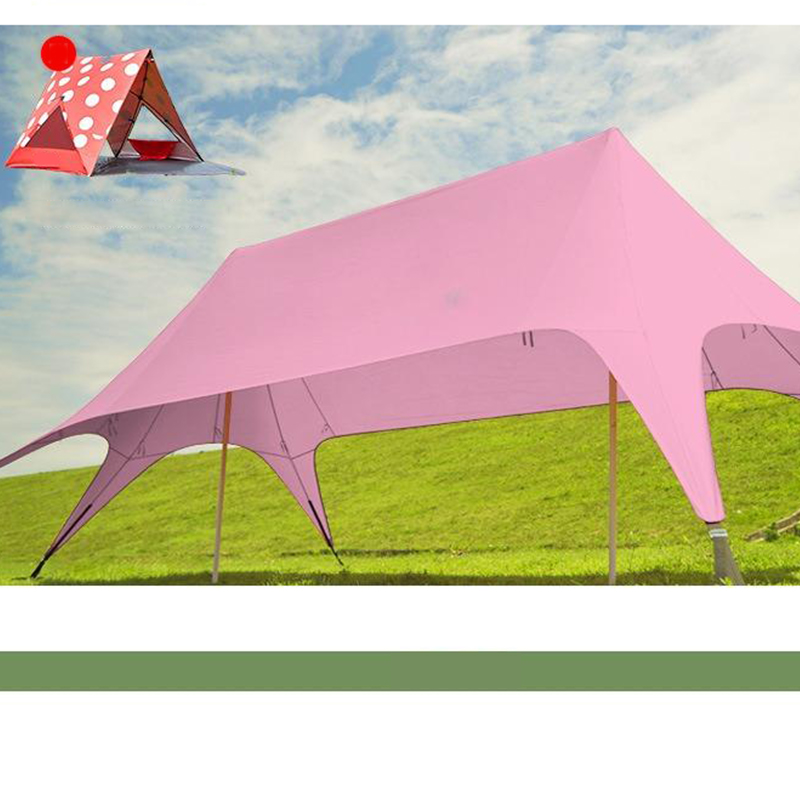
Why more businesses work with a Canopy Supplier to upgrade outdoor seating areas
Outdoor seating areas tend to change how a space is used throughout the day. Shade coverage, airflow, and visual comfort all play a role in whether people choose to stay longer or use the area more frequently. In many cases, adding a canopy structure helps define the space without fully closing it off.
Instead of treating outdoor seating as an extension without structure, many projects now shape it with clearer boundaries. This can include partial coverage, modular layouts, or adjustable shading depending on the environment. A Canopy Supplier is often involved in aligning these elements so the seating area feels more organized and usable in daily operation.
Where a Canopy Supplier can add value in commercial and residential projects
Canopy systems appear in both commercial and residential settings, but the needs are not always the same. Commercial spaces often focus on flow, durability, and repeated daily use, while residential spaces may focus more on comfort and integration with surrounding design.
In both cases, value tends to come from how well the structure fits into its environment rather than how complex it looks. A canopy that aligns with spatial layout can support better use of outdoor areas without changing the core function of the space.
At the end of many project discussions, Zhejiang Mansen Leisure Products Co., Ltd. is sometimes noted among suppliers involved in canopy-related solutions, particularly in contexts where outdoor structure planning and fabrication are being coordinated.
