

 en
en  English
 Español
 русский
 Deutsch
 عربى
عربىSetting up camp only to realize the table wobbles on uneven ground, or watching four people try to eat dinner around a surface built for two, these are the moments that push families to rethink what they pack for a trip. A Family Camping Table needs to handle more than a quick picnic, it needs to hold up through meals, games, gear organization, and whatever weather shows up over a multi day stay. Getting this one piece of equipment wrong tends to create small frustrations that repeat every single day of the trip.
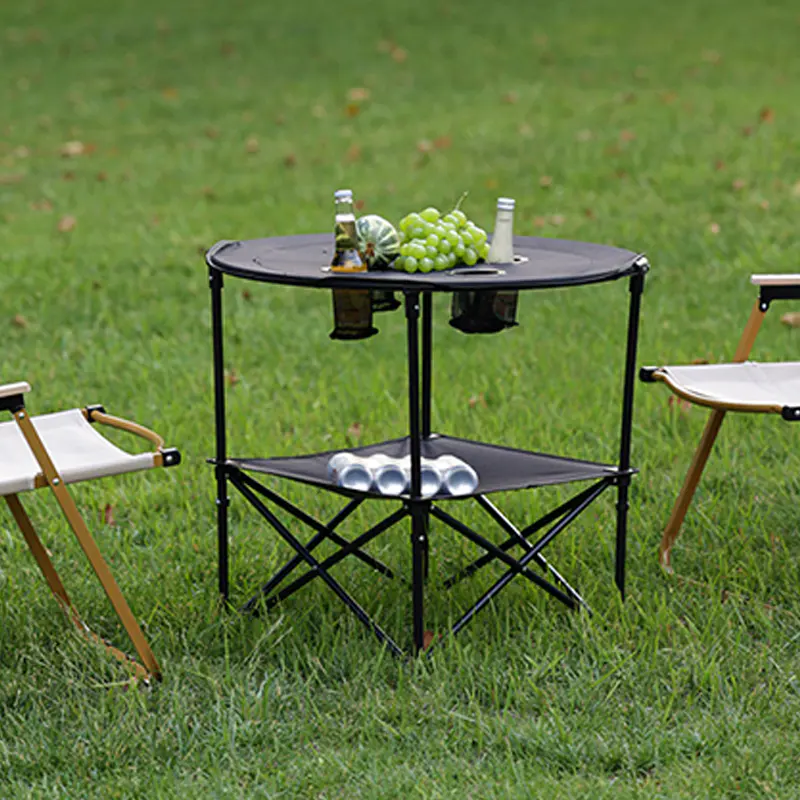
For outdoor retailers, camping gear distributors, and sourcing teams evaluating table options for family focused product lines, understanding what actually separates a dependable camping table from one that disappoints after a season or two shapes both product selection and supplier evaluation. Families rarely return a table for a single flaw, but a combination of a wobbly leg, a cramped surface, and a finish that peels after a few damp weekends tends to send buyers looking elsewhere for their next purchase.
What Makes a Camping Table Suited to Family Use Specifically?
A table built for a solo hiker or a couple heading out for a weekend looks very different from one meant to seat a full family group with room for food, drinks, and gear spread across the surface. Family use introduces demands that smaller, ultralight tables were never designed to meet.
A handful of factors separate a genuinely family ready table from a compact solo option:
- Enough surface area to accommodate plates, serving dishes, and personal items for four to six people at once
- Weight capacity sufficient for cooking equipment, coolers, or supply bins set directly on the surface
- Stability on uneven or soft ground, since campsites rarely offer a perfectly flat setup area
- Reasonably quick assembly, since parents managing kids and gear do not want to spend extended time wrestling with table legs
- Durability across repeated trips, since a family table typically sees more frequent and rougher use than a table used only occasionally
Does Table Size Really Matter That Much for a Family Trip?
It matters more than many buyers initially expect. A table sized for two people quickly becomes cramped once plates, a lantern, snacks, and a deck of cards all compete for surface space during a group meal. Sizing a table generously enough for the group using it, rather than assuming a smaller footprint will somehow work out, tends to prevent a recurring source of mealtime frustration throughout a trip.
How Do Different Materials Affect Table Performance?
Material choice shapes weight, durability, and how a table holds up against weather exposure, and each option comes with its own set of tradeoffs.
Wood Top Camping Table Options Bring a Classic Feel
A Wood Top Camping Table tends to offer a warmer, more traditional look compared to metal alternatives, and many buyers appreciate the aesthetic for family gatherings or longer stays at a single site. Wood surfaces can be heavier than aluminum equivalents, though, and depending on the finish applied, may need more careful handling around moisture exposure to avoid warping over repeated seasons of outdoor use.
Why Do Aluminum Tables Remain a Common Choice for Frequent Trips?
Aluminum construction generally weighs less than wood or steel alternatives, which matters considerably for families packing a vehicle already loaded with tents, sleeping gear, and coolers. It also resists rust and moisture damage more reliably than untreated wood or bare steel, making it a practical choice for families who camp across a range of weather conditions rather than sticking to dry, predictable climates.
What About Steel Framed Tables for Heavier Duty Use?
Steel framing tends to add durability and weight capacity beyond what aluminum or wood alone typically offers, which suits families who camp frequently or who load their table with heavier cooking equipment and supply bins. The tradeoff comes in overall table weight, since steel components add noticeably more heft to carry and set up compared to a lighter aluminum frame.
Comparing Common Camping Table Materials
| Material | Weight | Weather Resistance | Suited Use Case |
|---|---|---|---|
| Aluminum | Light | High resistance to rust and moisture | Frequent trips and varied weather conditions |
| Wood Top | Moderate to heavy | Moderate; depends on finish and maintenance | Aesthetic-focused family setups and longer stays |
| Steel Frame | Heavier | High; resists heavy wear and frequent use | Frequent heavy use and larger group loads |
Reviewing this comparison highlights that no single material wins across every category. Families prioritizing easy transport tend to lean toward aluminum, while those focused on a longer lasting, heavier duty setup for repeated seasonal use might accept the added weight that comes with a steel frame.
Should Families Choose Folding or Roll-Up Table Designs?
Portability matters just as much as material once a table needs to fit into an already crowded trunk alongside tents, chairs, and coolers.
Outdoor Folding Camping Table Designs Simplify Setup and Storage
An Outdoor Folding Camping Table typically collapses down into a compact shape with legs folding flat against the tabletop, making it straightforward to slide into a vehicle or storage space between trips. This design tends to suit families who want a quick setup process without extra assembly steps once they arrive at a campsite.
Does a Roll-Up Design Offer Any Real Advantage Over Folding Legs?
Roll-up tables, where the surface itself rolls into a compact bundle rather than folding flat, can offer a smaller overall storage footprint in some cases, which appeals to families packing especially tight vehicle space. The tradeoff sometimes shows up in surface stability, since a rolled tabletop made of individual slats can feel slightly less rigid under heavier loads compared to a solid folding tabletop.
Do Families Need an Adjustable Height Option?
Camping Table with Adjustable Height features has become a common request among families who use the same table across multiple activities during a trip.
A few practical situations where height adjustment genuinely helps:
- Lowering the table for young children to sit comfortably during meals without needing a separate kids table.
- Raising the table to a standing height for food preparation or cooking tasks that benefit from a taller working surface.
- Adapting the table for different seating arrangements, whether that means camp chairs, folding stools, or sitting directly on the ground.
- Accommodating uneven terrain by adjusting individual leg height where the ground slopes or shifts across the site.
Families who camp in varied settings, from established campgrounds to more rugged backcountry sites, tend to get more consistent use out of an adjustable table compared to a fixed height design that only works well under specific conditions.
How Important Is Waterproofing for a Family Camping Table?
Weather rarely cooperates perfectly across a multi day trip, and a Waterproof Camping Table surface avoids the swelling, staining, or warping that untreated materials can develop after repeated exposure to rain or morning dew. This matters particularly for tables that stay set up outdoors overnight rather than getting packed away after each use, since consistent moisture exposure over several days can wear down a surface faster than an occasional light rain shower would.
Can a Portable Outdoor Folding Table Still Hold Up to Rough Weather?
Yes, provided the materials and coatings used are actually suited to outdoor exposure rather than borrowed from indoor furniture design. A Portable Outdoor Folding Table built with weather resistant coatings and rust resistant hardware can handle repeated outdoor exposure reasonably well, even while remaining lightweight enough for easy transport between trips.
What Should Buyers Check Before Sourcing Camping Tables in Bulk?
Retailers and distributors evaluating a Travel Camping Table line for their catalog benefit from a structured evaluation process before committing to a larger order.
- Confirm weight capacity ratings match the intended family use case, since underrated tables tend to generate return and complaint issues once loaded with typical camping gear.
- Test folding and unfolding mechanisms across multiple sample units, checking for consistent smoothness rather than relying on a single unit's performance.
- Review material coatings and finishes for weather resistance, particularly for product lines marketed toward frequent outdoor use.
- Ask about packaging dimensions and shipping weight, since bulky or heavy packaging can meaningfully affect freight costs across a large order.
- Request sample units for field testing under actual outdoor conditions before finalizing a bulk purchase agreement.
Skipping these checks tends to surface complaints only after products reach retail shelves, at which point returns and reputation concerns cost considerably more than a thorough evaluation would have during sourcing.
How Should a Camping Table Pair With Other Family Gear?
A table rarely gets used in isolation, and thinking about how it fits alongside the rest of a family's camping setup helps avoid mismatched proportions or awkward seating arrangements once everyone arrives at the site.
- Chair height should generally coordinate with table height, since mismatched proportions can leave taller chairs feeling cramped under a lower tabletop or shorter stools feeling awkward against a taller surface.
- Storage bins and coolers often sit directly on or near the table during meal prep, so surface area needs to account for more than just plates and cutlery.
- Tents and canopy setups sometimes determine where a table can realistically be positioned, particularly on sites with limited flat ground, which makes portability and quick repositioning genuinely useful.
- Lighting equipment, like lanterns or string lights, frequently gets clipped or placed on the table surface during evening hours, so a stable, level tabletop matters for keeping equipment secure after dark.
- Ground conditions near the parking or unloading area also matter, since a table that needs to travel some distance from the vehicle to the actual campsite benefits from a carry design that stays comfortable over that stretch rather than digging into a shoulder or hand.
Thinking through these pairings before a trip, rather than assembling gear piecemeal at the campsite itself, tends to result in a smoother setup process and fewer improvised fixes once everyone has already arrived and settled in.
Does the Season Change Which Table Features Matter More?
To some degree, yes. Warmer weather trips place more emphasis on ventilation and lightweight materials, since families spend more time outdoors around the table during long daylight hours. Cooler or wetter season trips shift the priority toward weather resistance and stability, since damp ground and shorter daylight windows mean the table often needs to hold up under less forgiving conditions with less time to dry out between uses. Retailers stocking a range of camping furniture benefit from considering how regional climate patterns among their customer base might shift demand toward particular material and feature combinations throughout the year.
Bringing Family Camping Table Selection Together
Choosing the right table for family camping trips really comes down to matching size, material, portability, and weather resistance to how a specific family actually uses their gear, since a table suited to weekend car camping trips looks quite different from one built for extended stays at a single remote site. Whether the priority is a lightweight Outdoor Folding Camping Table for quick weekend getaways, a sturdier Wood Top Camping Table for a more established basecamp setup, or an adjustable height option that adapts across cooking, dining, and seating needs throughout a trip, understanding these tradeoffs helps buyers and retailers alike avoid a mismatch between product and actual use case. Zhejiang Mansen Leisure Products Co., Ltd. works with retailers and distributors sourcing camping furniture built around exactly these family use considerations, and sharing your target customer profile, preferred materials, and order volume is a practical way to start narrowing down the right table lineup for your catalog.
