

 en
en  English
 Español
 русский
 Deutsch
 عربى
عربى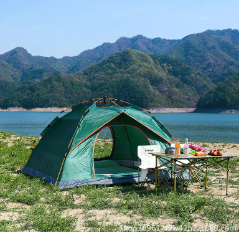
A Beach Tent offers a practical shaded space right on the shoreline. It gives people a place to step away from the direct sun and shifting sand while still staying close to the water and the beach activity. Instead of sitting fully exposed, families and friends can relax, eat, or watch the waves under its cover.
The combination of shade and open structure makes a real difference during long beach days. The tent creates a defined area that feels separate from the busy sand yet remains easy to enter and exit. Good airflow, thoughtful layout, and solid basic protection all come together to support extended time outdoors.
- Provides a clear shaded zone for rest and play
- Helps separate personal space from loose sand
- Supports natural movement in and out of the area
A Beach Tent Manufacturer pays attention to these everyday needs from the beginning, focusing on designs that feel useful rather than complicated.
How Does UV Protection Work Inside A Beach Tent
On a bright beach, sunlight comes from every angle. A Beach Tent works by filtering much of that light through its canopy fabric. The result is a noticeably softer and gentler environment inside compared to sitting directly in the sun.
The fabric layers play an important part in how light travels through. Some materials reflect a portion of the sun's energy, while others spread and soften it. This creates a more comfortable shaded area where skin and eyes feel less strained during the middle of the day.
- Reduces intensity of direct overhead sun
- Softens harsh reflections from the sand
- Creates a calmer light for reading or relaxing
Beach Tent Manufacturer teams consider these factors carefully when choosing fabrics so the protection feels natural and consistent.
How Does Ventilation Keep A Beach Tent Interior Cool
Coastal breezes are one of the best natural features of the beach, and a well-designed Beach Tent makes full use of them. Mesh panels, side openings, and carefully placed vents allow fresh air to flow through while keeping most of the sun out. This constant movement stops hot air from building up inside.
When the breeze passes through lower openings and exits from higher ones, the whole space stays fresher. The temperature inside feels more balanced, making it much more pleasant to spend hours under the tent.
- Allows natural cross breeze to move freely
- Prevents stuffy air during calm periods
- Works with typical sea wind directions
How Does Wind Resistance Affect Beach Tent Stability
Even light sea breezes can challenge a lightweight shelter. A Beach Tent needs to handle these winds without constantly shifting or losing shape. The frame and fabric work together to spread out the pressure so the structure remains steady.
In open beach areas with few obstacles, stability becomes especially important. The overall shape and support points help the tent face the wind calmly rather than catching it like a sail.
Beach Tent Manufacturer often focuses on these wind behaviors early in the design process to create shelters that stay reliable in typical coastal conditions.
What Features Help A Beach Tent Stay Stable On Sand
Soft sand makes anchoring trickier than on regular ground. Many Beach Tent models include several practical features to address this:
- Sand pockets along the base that can be filled for added weight
- Multiple loops and straps for extra stakes when needed
- Wide edges that increase contact with the surface
- Adjustable tension points to keep the fabric tight
| Feature | How It Helps on Sand | Everyday Benefit |
|---|---|---|
| Sand pockets | Adds weight directly at the base | Reduces shifting during light breezes |
| Multiple stake loops | Allows secure anchoring in loose ground | Keeps corners from lifting |
| Adjustable tension straps | Distributes pull evenly across fabric | Maintains shape without over-tightening |
| Wide footprint base | Increases contact area with the surface | Improves overall steadiness |
These details help the tent stay in place without requiring constant attention, so users can focus on enjoying their time rather than readjusting the shelter.
How Does Fabric Material Influence Cooling And Protection
The choice of fabric directly affects how cool and protected the inside of a Beach Tent feels. Denser materials usually block more sunlight, while certain weaves still allow air to pass through. Some surfaces reflect heat instead of holding onto it, which helps keep the shaded area more comfortable.
Surface texture also matters. Smoother finishes tend to collect less sand, and breathable weaves support better airflow across the canopy. A Beach Tent Manufacturer selects materials that handle sun, salt air, and occasional moisture while maintaining their core functions over time.
How Does Internal Space Design Affect Comfort Level
The way space is arranged inside a Beach Tent has a big impact on daily comfort. Enough headroom lets adults sit or kneel comfortably, while a wider floor area gives room for towels, coolers, or simple activities. Pole placement is kept to the sides so the middle area stays open and welcoming.
Roll-up side flaps or large openings create a connected feeling with the beach while still offering overhead shade. This openness encourages good airflow and reduces any closed-in sensation.
Many Beach Tent Manufacturer designs put real thought into these layout details to support natural movement and relaxed use.
How Does Ventilation Design Prevent Heat Accumulation
Good ventilation design makes a noticeable difference in how long a Beach Tent stays comfortable. Air inlets near the bottom and outlets higher up create a natural chimney effect. Warm air rises and escapes while cooler breeze from the sea flows in underneath. This steady exchange stops heat from building up even when the sun is strong overhead.
Many designs place mesh panels on opposite sides so the wind can pass straight through. Some tents also include adjustable flaps that let users control how much air moves depending on the day's conditions. The result is a space that feels fresh instead of stuffy after several hours of use.
- Positioned low inlets catch sea breezes
- Higher outlets release rising warm air
- Mesh areas allow flow without losing shade
A Beach Tent Manufacturer often tests different opening placements to make sure the airflow works well with common beach wind patterns.
How Do Anchoring Systems Support Wind Protection
Anchoring systems are what keep a Beach Tent steady when the wind picks up. Strong straps, reinforced loops, and well-placed stake points spread the pulling force evenly across the whole structure. On soft sand, these systems prevent corners from lifting or the whole tent from shifting sideways.
Many models use a combination of sand bags and ground stakes so users can choose the best method for the actual beach conditions. The tension stays balanced, which helps the fabric and frame work together instead of fighting against the wind.
Beach Tent Manufacturer teams put real thought into making these anchoring points simple to use while still strong enough for typical coastal breezes.
How Does Sand, Wind, And Coastal Environment Influence Tent Performance
Beach conditions change throughout the day. Sand can blow across the ground, light winds can shift direction, and salt air is always present. A Beach Tent needs to handle all these elements without losing its basic comfort and shape.
Sand tends to collect at the base, so designs with raised floors or easy-to-clean edges help keep the inside cleaner. Wind pushes from different angles, which is why balanced framing and flexible fabric matter. The combination of these coastal factors tests how well the tent maintains its performance over time.
How Does User Behavior Affect Cooling Efficiency Inside A Beach Tent
How people actually use the Beach Tent has a big effect on how cool it stays. Leaving side flaps open encourages better airflow, while closing too many openings can trap warm air. The number of people inside also influences temperature — more bodies naturally add a bit more heat.
Simple habits like positioning the tent with the breeze in mind or adjusting vents during the hottest hours make a real difference. Users who work with the tent's natural airflow usually enjoy a more comfortable experience.
Beach Tent Manufacturer often keep these real-life behaviors in mind when planning features so the design supports everyday use rather than fighting against it.
How Does Long Duration Use Impact Comfort Stability
During a full beach day, the inside of a Beach Tent faces hours of sunlight and changing winds. Heat can slowly build if airflow is limited, and the fabric works continuously to block the sun. Over time, the structure may need small adjustments to maintain good tension and shape.
Materials that handle long exposure without sagging or losing breathability help keep the space comfortable from morning until late afternoon. Good initial setup and occasional checks during the day support steady performance across extended hours.
How Do Beach Tent Designs Balance Shade And Airflow
Finding the right balance between shade and airflow is one of the biggest challenges in Beach Tent design. Too much coverage can reduce air movement, while too many openings let in extra sun and sand. Modern approaches use a mix of solid fabric panels and breathable mesh to achieve both goals at once.
The shape of the roof, angle of the sides, and placement of openings all play a part in this balance. The result is a shelter that offers meaningful protection from the sun while still feeling open and refreshing.
How Do Modern Beach Tent Designs Evolve For Outdoor Comfort
Beach Tent designs continue to develop with a focus on practical coastal needs. Improvements in fabric breathability, anchoring ease, and interior layout aim to make the tents more adaptable to real beach days. There is growing attention on creating shelters that feel natural to set up and comfortable to use for different group sizes and activities.
A Beach Tent Manufacturer that listens to user feedback tends to create models that handle everyday shoreline conditions more smoothly. These gradual changes help Beach Tent become a more reliable part of coastal outings.
Many practical Beach Tent options come from experienced producers such as Zhejiang Mansen Leisure Products Co., Ltd. that understand real coastal conditions.
