

 en
en  English
 Español
 русский
 Deutsch
 عربى
عربى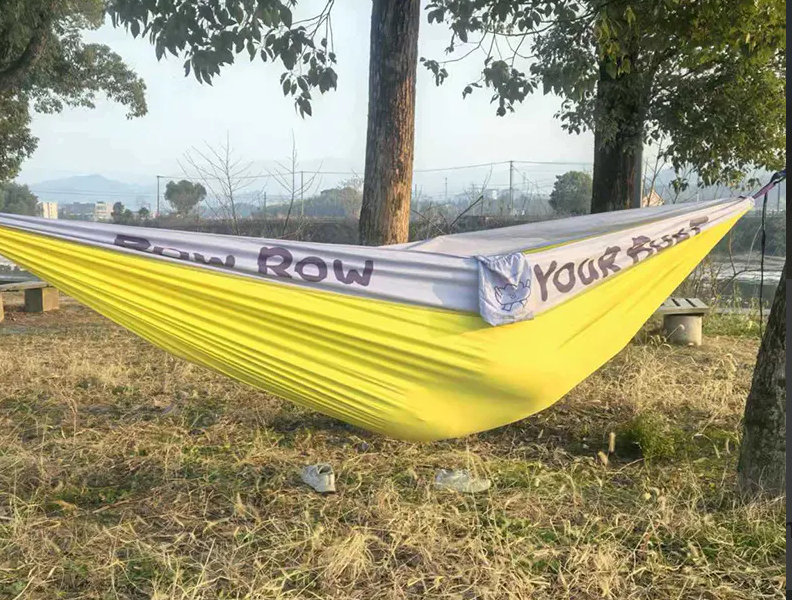
Why Is Choosing the Right Camping Hammock Important for Nighttime Safety
Camping Hammocks may seem simple at first glance. Just a piece of fabric and some straps. But for nighttime use, design and material matter more than most people think. A Hammock must support the user safely, stay stable while moving, and resist wear from outdoor conditions.
- Weight capacity is key. Even slight overloading can strain attachment points.
- Material affects comfort and durability. Lightweight fabrics are easier to pack but may stretch or tear faster.
- Single vs double Hammocks have different risks. Wider Hammocks give more room but can sway unpredictably if not properly secured.
- Outdoor Camping Hammocks must also consider environmental compatibility. Moisture, temperature, and terrain impact how a Hammock behaves at night.
A thoughtful choice reduces accidents and creates a more relaxing experience for overnight use. Features that appear minor—like reinforced stitching or stronger suspension lines—can make a big difference when darkness and fatigue set in.
How Does Proper Site Selection Enhance Safety When Using Outdoor Camping Hammocks
Where you hang a Hammock is just as important as the Hammock itself. A safe site minimizes potential hazards and enhances comfort.
- Look for flat and stable ground. Avoid steep inclines.
- Avoid locations prone to flooding or falling debris. Branches, rocks, or loose soil can become risks overnight.
- Tree selection is crucial. Choose trees with solid trunks and branches. Avoid dead or weak trees.
- Consider proximity to hazards like cliffs, water bodies, or roads.
- When using multiple Hammocks, space them so users don't bump into each other.
Even small adjustments in site selection improve safety dramatically. Minor elevation changes or moving a few feet away from a slope can prevent falls and injuries.
What Are Key Setup Techniques to Prevent Accidents in Nighttime Camping Hammocks
Proper setup is more than looping straps around a tree. Safety depends on attachment technique, tension, and inspection.
- Use strong, tree-friendly straps instead of thin ropes that may dig into bark or fray.
- Correct knots or carabiner attachments prevent slippage. Improper knots are a common source of accidents.
- Ensure the Hammock is centered and level. Off-center setups increase sway and tipping risk.
- Adjust height for both comfort and safety. Too high makes entry and exit harder; too low may catch on objects on the ground.
- Always double-check each attachment before nightfall. Even small loosenings can be dangerous.
Simple routines, repeated consistently, reduce the chance of nighttime mishaps. Users often underestimate the importance of inspection until something slips or shifts.
How Do Weather and Environmental Conditions Affect Outdoor Camping Hammocks Safety
Nighttime camping exposes Hammocks to elements that change constantly. Wind, rain, and temperature swings all affect stability and comfort.
- Wind can sway Hammocks excessively if not properly secured.
- Rain or dew makes surfaces slippery. Protective rainflies or tarps help but need correct tension.
- Trees may shift or branches may weaken under heavy moisture.
- Seasonal changes like leaf fall or ice increase hazards beneath and around the Hammock.
Users often adapt by lowering Hammock height, tightening straps, or adding protective layers. Simple environmental awareness prevents accidents and improves sleep quality.
What Are Common Risks and How Can They Be Mitigated in Nighttime Use
Even with proper setup, risks remain. Understanding them helps reduce incidents.
- Falls are common, especially when entering or exiting in the dark. Keep ground clear of rocks or logs.
- Animal encounters—bears, insects, or snakes—can be mitigated with elevated placement, netting, and proper storage of food items.
- Insects—mosquito nets reduce bites and discomfort.
- Tripping hazards—ropes and straps can become unseen obstacles at night. Mark or organize them to avoid accidents.
- Lighting—dim, battery-powered lanterns or reflective markers aid safe movement without disturbing sleep.
| Risk Type | Mitigation Strategy | Notes |
|---|---|---|
| Falls | Low hammock height, clear ground | Check before sleep |
| Animal Encounters | Elevated setup, secure food storage | Nets and sealed containers useful |
| Insects | Mosquito nets, repellent | Ensure full coverage |
| Tripping Hazards | Organize straps, reflective markers | Reduces accidental falls |
| Poor Visibility | Soft lights, glow markers | Minimizes disorientation at night |
How Can Accessories Improve Safety and Comfort in Camping Hammocks
Accessories may seem minor, but they greatly influence comfort and safety, especially during overnight use. A few well-chosen additions can reduce risks and improve overall experience in the dark.
- Mosquito nets protect users from insects. Bites can interrupt sleep and create discomfort. Properly fitted nets cover the entire Hammock opening.
- Insulation pads and blankets help maintain body warmth. Cold nights can affect comfort and safety. Pads also add cushioning, reducing pressure on the back and shoulders.
- Suspension systems that distribute weight evenly prevent sudden slippage. Straps or specialized suspension gear protect both the Hammock and the trees.
- Under-Hammock storage keeps essentials like water, flashlight, or first aid kits within reach, preventing fumbling in darkness.
- Reflective or glow-in-the-dark components make straps and attachment points visible. Reduces trips or accidental tangling at night.
Even small details matter. A pocket for a phone or flashlight, a clip for a lantern, or a loop for hanging gear may seem trivial but improves safety and convenience.
| Accessory Type | Safety Benefit | Comfort Benefit | Notes |
|---|---|---|---|
| Mosquito Net | Reduces insect bites | Better sleep | Ensure full coverage |
| Insulation Pad | Maintains warmth | Cushioned support | Rotate to prevent uneven wear |
| Suspension Straps | Stabilizes hammock, prevents falls | Reduces tree damage | Check tension before sleep |
| Storage Pouches | Keeps ground clear | Easy access to essentials | Organize by priority |
| Reflective Markers | Prevents tripping | Improves nighttime visibility | Place near straps and stakes |
What Practices Should Be Followed for Regular Inspection and Maintenance
Even durable Outdoor Camping Hammocks need attention. Routine inspection prevents accidents and extends lifespan.
- Inspect straps, ropes, and carabiners for fraying, corrosion, or wear. Replace damaged items promptly.
- Examine fabric panels for small tears, thinning, or stressed stitching. Minor damage can worsen quickly if ignored.
- Clean and dry Hammocks to prevent mold or mildew. Moisture trapped overnight can degrade material and create odors.
- Test all hardware: buckles, hooks, and tension points must function properly. Avoid using worn or loose components.
- Store Hammocks safely when not in use. Avoid damp basements or direct sunlight for long periods. A simple bag or protective cover helps.
Routine checks need not be complicated. A few minutes before every trip can prevent serious issues and improve reliability.
Could Proper Education and Observation Reduce Nighttime Incidents
Experience and careful observation dramatically reduce risks. New campers often underestimate small hazards. Learning simple habits from seasoned users improves safety.
- Observe tree health and environmental conditions before setting up. Dead branches, uneven ground, or loose soil increase risk.
- Learn correct knot techniques and suspension adjustments. Improper knots are a common cause of accidents.
- Adapt setup based on weather changes or terrain differences. Wet surfaces or wind require extra precautions.
- Share knowledge in group camping. Experienced campers can demonstrate safe practices and help others adjust.
- Pay attention to small warning signs—swaying Hammocks, loose straps, or uneven attachment points. Correcting them early prevents injuries.
Proactive observation and learning reduce incidents far more effectively than reacting after a fall or equipment failure.
How Do Nighttime Habits Affect Long-Term Use and Reliability of Camping Hammocks
Regular habits affect Hammock durability. Improper handling or neglect can reduce reliability over time.
- Frequent changes in tension stress suspension points. Proper adjustment prevents accelerated wear.
- Extended sunlight or moisture exposure affects both fabric and straps. Rotate usage, dry properly, and store carefully.
- Safe packing and gentle handling prevent tears or stress on hardware. Avoid sharp bends in straps or folding fabric tightly.
- Adjusting Hammock height and angle nightly distributes weight evenly, reducing frame and attachment stress.
- Planning for overnight stays includes observing environmental conditions. Adjusting entry and exit routines reduces strain and fatigue.
Small, consistent habits maintain comfort and safety over repeated use. Over time, these practices prolong the life of both Camping Hammocks and Outdoor Camping Hammocks.
What Emerging Trends in Outdoor Camping Hammocks Could Influence Nighttime Safety
The camping industry evolves continuously. New trends are improving both safety and comfort in nighttime use.
- Innovative suspension systems allow faster setup and reduce risks of slipping. Designs distribute weight more evenly across straps and trees.
- Durable, weather-resistant fabrics and hardware resist UV, moisture, and abrasion, reducing wear from overnight exposure.
- Modular designs offer flexibility for single or multi-user setups. Easy attachment points allow customization without compromising stability.
- Integrated safety accessories such as built-in netting, pockets, and reflective loops improve both convenience and nighttime visibility.
- Bulk procurement and wholesale models ensure consistency across units. Standardized components simplify maintenance and replacements.
Future designs focus on combining comfort, stability, and adaptability, giving users safer, more enjoyable overnight experiences. The cumulative effect of thoughtful design and accessories enhances both reliability and long-term satisfaction.
Nighttime camping in Hammocks requires attention to detail at every step. From choosing the right model, selecting a safe site, and performing correct setup to observing environmental conditions, integrating accessories, and maintaining the Hammock regularly—every step contributes to safety and comfort. Simple habits like clearing the ground, adjusting height, and using protective netting reduce risk and improve sleep quality.
Zhejiang Mansen Leisure Products Co., Ltd. participates in developing safe and functional Outdoor Camping Hammocks where design, accessories, and practical habits converge to enhance nighttime reliability and overall user satisfaction.
