

 en
en  English
 Español
 русский
 Deutsch
 عربى
عربى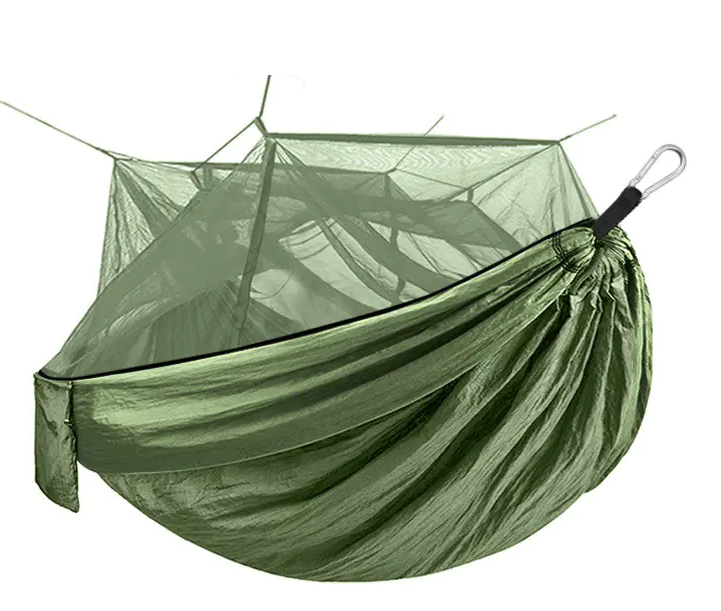
Resting well outdoors can change the entire feel of a camping trip. A Hammock that fits right supports the body naturally, lets small movements happen without strain, and helps create that calm sense of being surrounded by nature. Length and width are central to this— they decide how the fabric cradles weight, how easy it is to get in and out, and how stable the whole thing feels once suspended.
Size selection mixes personal habits with real-world limits like campsite layout and how far the gear has to travel. Some campers want something that packs tiny for multi-day hikes, while others value extra room for stretching or sharing. The best fit usually comes from trying options in practice and noticing what feels right after a few nights. Zhejiang Mansen Leisure Products Co., Ltd. produces Hammock in different dimensions that show how varied these choices can be depending on intended use.
Understanding Hammock Dimensions
Length Matters
Length controls how fully a camper can extend. Longer Hammock give space to lie completely flat or settle diagonally, which many find relieves pressure along the back and legs. Shorter ones roll into a smaller package and suit spots where trees stand close, but they can leave feet pushing against the ends or force a bent posture.
Campers often think about their typical rest habits when sizing up length. Those who like to sprawl out or shift positions benefit from more length, while people who stay mostly still may not need as much. Campsite spacing plays in too—longer models need wider gaps between anchors to hang with the right gentle curve, whereas shorter ones adapt to tighter arrangements without becoming too steep.
Width Considerations
Width affects side-to-side freedom. Wider Hammock let shoulders drop naturally, allow arms to spread, and make turning over easier. They create an open, bed-like feel that works well when sharing space. Narrower ones keep the body centered, limit rolling in breezes, and give a snug, wrapped-in sensation some campers prefer for warmth or quiet focus.
Tension ties closely to width. Too much width without enough pull leads to deep sagging; too little width can feel confining after hours. Campers notice the difference most when conditions change—narrower setups hold heat closer on cool nights, while wider ones let air move through on warmer evenings.
Material and Tension
Fabric type changes how the Hammock behaves under body weight. Some materials give a bit when loaded, increasing effective space; others stay tauter and hold shape. Tension—set by straps, knots, or ridgelines—lets campers dial in the sag depth.
A firm hang provides solid support with less curve; looser tension creates a deeper cradle. Campers experiment with adjustments to match their weight and movement style, often finding small tweaks in angle or knot placement make a noticeable improvement in how the Hammock feels over time.
Matching Hammock Size to the Environment
Single vs Double Use
Single Hammock stay light and simple, ideal for solo trips where every ounce counts. Double versions add length and width to fit two people comfortably, giving flexibility for pairs or an adult with a child.
Doubles handle weight differently—two bodies deepen sag and increase sway unless anchors are placed thoughtfully. Campers who share often focus on even tension and sturdy attachment points to keep the setup balanced.
Anchor Point Distance
The gap between trees or posts sets practical boundaries. Longer Hammock require more separation to achieve proper sag; shorter ones fit closer anchors without steep angles. Campers usually scan the area first, estimating span before committing to a size.
Minor adjustments—tilting the hang, raising one end, or lengthening straps—help stretch a Hammock into imperfect spacing while keeping comfort and safety intact.
Portability and Travel
For hikers carrying gear long distances, size directly affects pack space and weight. Roomier Hammock deliver better rest but take up more room; compact ones travel lighter but may limit full extension or movement.
Many campers pack Hammock tightly, choose thin fabrics, or combine smaller sizes with streamlined suspension to keep loads manageable. Those arriving by vehicle or short carry have more room to favor larger dimensions without penalty.
Personal Factors in Size Selection
Body Size and Resting Style
Height and frame guide the starting point. Taller campers seek extra length so feet rest inside the fabric instead of dangling. Broader builds often need more width to avoid shoulder or hip pinch.
Resting habits add detail. Side sleepers usually want width for knee and arm space; back sleepers may prioritize length and a smooth sag that supports the spine evenly. Many test setups at home with sleeping bag and pad to sense how dimensions pair with their body.
Individual vs Shared Use
Sharing raises complexity. Extra length allows offset positioning so heads and feet avoid overlap; added width spreads weight and prevents one person from pulling the other off-center. Campers with different heights or builds often go slightly oversized to accommodate everyone comfortably.
Tension tweaks, ridgeline placement, or knot adjustments help even out the experience so no one feels crowded.
Comfort Preferences
Numbers provide a baseline, but feel decides the rest. Some campers like a close, secure wrap that limits sway; others want open space to stretch and reposition freely. Sleep patterns—rolling often, staying flat, sensitivity to motion—all shape what size feels natural.
Repeated use sharpens these preferences. A Hammock that suits quick overnights may need tweaks for longer stays, leading campers to adjust size or setup habits gradually.
Environmental and Seasonal Influences
Weather Impact
Wind encourages shorter or narrower Hammock to reduce flapping and rocking. Rain calls for space overhead so tarps don't press against the fabric. Cold nights push toward snugger dimensions that hold warmth; hot weather favors wider, breathable options.
Terrain Considerations
Slopes, roots, or rocky spots limit anchor choices and require angled or higher hangs. Longer or wider Hammock may need creative placement to stay level. Campers use extra straps or height changes to work with the ground's natural shape.
Vegetation and Trees
Thick clusters favor compact sizes that fit narrow gaps. Open areas with distant trees allow maximum length and width for relaxed hanging. Campers adapt their expectations to the landscape they plan to visit.
Practical Tips for Choosing the Right Size
Campers run into common size-related issues outdoors. Here is a straightforward look at frequent challenges, what they cause, and the practical fixes people use:
| Common Challenge | Effect | Adjustment Approach |
|---|---|---|
| Hammock Too Long | Sagging or difficult anchor points | Change suspension angle or add straps |
| Hammock Too Short | Feet hang or restricted posture | Raise anchor points or adjust setup |
| Hammock Too Wide | More sway | Tighten tension or limit movement area |
| Hammock Too Narrow | Limited space | Use padding or select slightly wider option |
| Shared Use Issues | Uneven comfort | Adjust tension or sleeping positions |
Hands-on changes like these often solve problems without swapping gear. Campers find that staying flexible with tension, angle, and small accessories makes most Hammock work well across different trips and conditions.
Hammock size comes down to practical fit—matching length and width to body, site, weather, and personal rest style. Campers who pay attention to how dimensions perform in the field gradually settle into setups that deliver steady comfort, night after night.
Practical Decision-Making in Daily Use
Testing Different Setups
Many campers make a point of trying several Hammock sizes before deciding on one. Hanging a model and spending time lying in it shows how the length supports full body extension, how the width handles shoulder movement or rolling over, how much sway occurs with shifts in position, and how smoothly entry and exit go.
These sessions often highlight details that initial measurements overlook—whether feet stay comfortably inside the fabric, whether hips feel supported without pinching, or whether the sag depth feels right for back or side sleeping. By changing tension, altering hang angles, or moving anchor points during the test, campers see how small variations alter the overall experience. Over repeated trials, clear preferences emerge about what length and width feel most natural across different weather, terrain, or rest durations.
Setup Efficiency
Installation speed and simplicity play a practical role in everyday camping. Compact Hammock generally go up faster with fewer steps, while larger ones need a little more attention to even out tension and level the fabric. The critical part is finding the sweet spot in tension—too slack causes heavy sagging that touches the ground under weight, too tight creates a stiff, unyielding surface.
Seasoned campers build quick habits: secure tree straps high and wide, attach suspension lines, step back to gauge sag, make one or two fine adjustments. These routines save time when daylight fades quickly or when rain moves in fast. Even on challenging sites—dense brush, rocky slopes, or uneven ground—a familiar process keeps setup reliable and safe, so the focus can stay on unwinding rather than fighting the gear.
Adjustments Over Time
Nothing teaches like actual nights in the Hammock. A size that seemed ideal on the first trip might start feeling off after several outings—perhaps too much length catches wind, too little width restricts turning in cold, or sag becomes excessive on sloped anchors. Campers make incremental fixes: raise one end for better leveling, add a ridgeline to flatten the sleeping surface, loosen tension for warmer nights, tighten it for breezy ones, or slide in a thin pad to gain cushion and subtle extra width.
These tweaks accumulate into personal knowledge. A camper might realize they sleep better with a bit more width when temperatures drop, or that a slightly shorter length packs easier without sacrificing much comfort on short trips. The ongoing refinement process turns size selection into something dynamic—each outing builds on the last, aligning the Hammock more closely with real habits and conditions.
Emerging Trends in Outdoor Hammock Use
Adjustable Designs
More Hammock systems now include built-in ways to change effective length and width on the fly. Suspension lines with multiple clip points, fabric sections that connect or detach, and adjustable ridgelines let users tailor the setup to the moment—shorten for tight tree spacing one day, extend for open ground the next.
This adaptability suits campers who visit different landscapes regularly. Instead of owning several fixed-size Hammock, one adjustable model can handle solo use, shared nights, calm evenings, or gusty weather. The trend reflects a preference for gear that flexes with the trip rather than forcing the trip to fit the gear.
Integration with Camping Gear
Hammock usually work as part of a larger rest system—paired with overhead tarps, bug netting, underquilts, or ground pads. Dimensions influence how seamlessly these pieces combine. Longer or wider Hammock give breathing room to position a tarp without crowding the fabric, drape an underquilt fully from end to end, or keep netting clear of the sleeping area. Smaller sizes demand tighter coordination to prevent gaps or overlaps.
Campers who plan the whole setup notice that a modestly roomier Hammock often simplifies layering—better airflow around nets, easier tarp alignment, more stable pad placement. The pattern shows a shift toward viewing the Hammock as the core around which other elements orbit, rather than an isolated item.
Lightweight and Eco-Friendly Materials
Newer fabric and rope constructions have cut weight while keeping strength and weather resistance. Thinner weaves hold up to repeated hanging and packing, and some draw from recycled or low-impact sources without compromising durability or stretch.
These materials open the door to larger dimensions even for weight-conscious backpackers—extra length or width becomes realistic without turning the pack into a burden. Campers appreciate options that deliver consistent comfort over many seasons while leaving a lighter trace on the places they visit.
Tips for Thoughtful Selection
Arriving at the right Hammock size means considering body fit, campsite realities, personal rest style, and gear compatibility together. Helpful steps include:
- Trying several setups in advance—hanging different lengths and widths, testing various tensions, and paying attention to sway, entry feel, and pressure points.
- Evaluating likely campsites—checking typical tree spacing, ground slope, and anchor availability to avoid surprises.
- Weighing portability against rest quality—compact for extended hikes versus more spacious for comfort-centered trips.
- Accounting for expected conditions—narrower profiles for windy spots, snug fits for cold nights, room for covers when rain is likely.
These steps help move from guesswork to informed choices that hold up in the field.
Selecting Hammock size is about more than fitting measurements—it involves how length and width support natural rest, how the setup behaves in wind or cold, and how smoothly it integrates into the daily flow of camping. Body needs, environmental factors, and practical use all intersect to point toward the best match.
Flexibility matters most. A Hammock that feels right at first often improves with small on-the-go adjustments—tension tweaks, angle changes, or added layers—after real nights outdoors. Campers who watch how the system responds over time gradually create rest setups that feel reliable, comfortable, and effortless.
When dimensions align well with the camper's habits, the landscape, and the weather, the Hammock stops being just equipment. It becomes a steady, trusted part of outdoor downtime that makes time in nature more restorative.
