

 en
en  English
 Español
 русский
 Deutsch
 عربى
عربىA camping table that warped after a single rainy weekend. A wood surface that swelled and split after being left out in coastal humidity for a few days. A frame that rusted through within one season despite being marketed as outdoor-ready. These are not unusual complaints among buyers sourcing outdoor furniture, and they almost always trace back to the same gap between what a product claims and how a Waterproof Camping Table actually performs when conditions turn genuinely harsh.
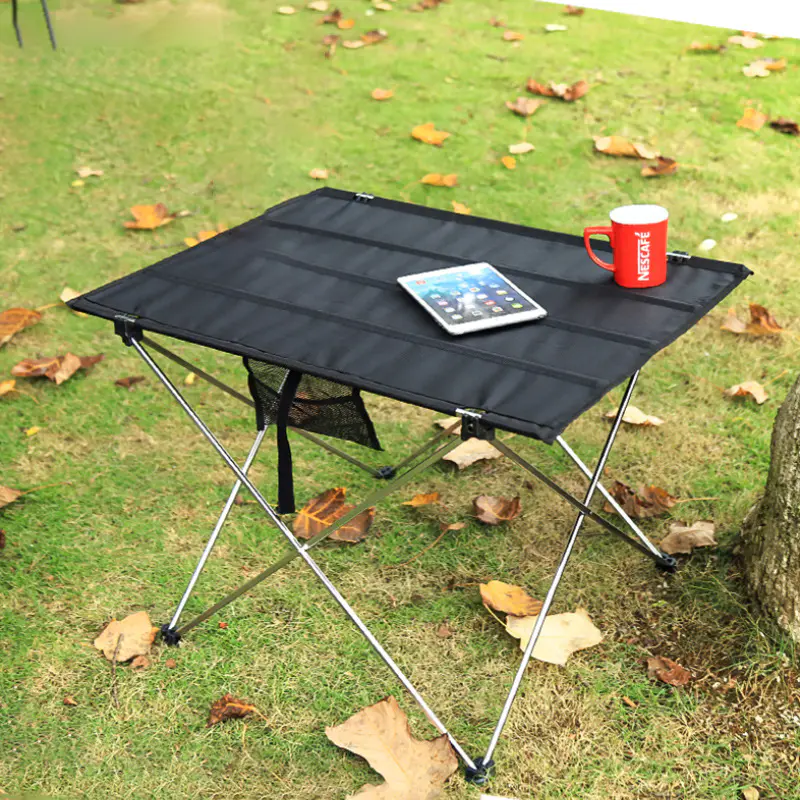
Understanding what separates a table that holds up from one that quietly deteriorates requires looking past surface-level descriptions and into the materials, construction methods, and design choices that determine real-world durability. Whether the end use is family camping, commercial outdoor rental, or wholesale distribution into outdoor retail channels, the performance questions are largely the same. Which materials survive rain, UV exposure, sand, and temperature swings without warping, rusting, or losing structural integrity? And which design features actually support that performance rather than just appearing in a product description?
Why Outdoor Conditions Are Harder on Tables Than Most People Expect
Rain Is Rarely the Only Problem
Water exposure in outdoor settings is rarely limited to simple rainfall. Condensation, ground moisture, and prolonged humidity between uses all add up over time, working into joints, coating surfaces, and the underside of table tops where ventilation is limited. A table that sheds rain well from its surface may still be absorbing moisture through less obvious pathways.
Does UV Exposure Damage Camping Tables Over Time?
It does, and this is one of the outdoor durability factors buyers most commonly underestimate. Prolonged UV exposure degrades surface coatings, causes discoloration, and accelerates the breakdown of materials that hold up fine in shaded or indoor conditions. Tables intended for extended outdoor use need surface treatments specifically chosen to resist UV degradation rather than general-purpose finishes that were not designed for sustained sun exposure.
How Different Materials Perform Under Outdoor Stress
Aluminum Frames Offer Corrosion Resistance That Other Metals Cannot Match
Aluminum does not rust, which gives aluminum-framed tables a clear functional advantage in wet or coastal environments where steel frames would begin corroding within a relatively short period. Beyond corrosion resistance, aluminum stays lightweight even in larger table formats, which matters considerably for a portable outdoor folding table that needs to move between sites regularly.
Does Wood Hold Up in Harsh Outdoor Conditions?
Wood presents a more complicated picture. A wood top camping table carries real aesthetic appeal and a solid, stable feel that synthetic surfaces do not replicate easily. The challenge is that untreated or poorly treated wood absorbs moisture, swells, and eventually warps or cracks under repeated wet-dry cycling. For outdoor use, wood surfaces require specific sealing treatments that need periodic renewal, and even well-treated wood performs less predictably than aluminum or composite alternatives in persistently wet or coastal environments.
What About Composite and Coated Surfaces?
Composite tabletop materials and heavily coated surfaces sit between the two ends of the spectrum. They can offer reasonable resistance to moisture and surface damage while maintaining a more consistent appearance over time than untreated wood. The quality of the coating or composite formulation varies considerably between manufacturers, which makes this category one where the specific construction details matter more than the general material category label.
A Practical Comparison Across Key Performance Factors
| Performance Factor | Aluminum Frame | Wood Top | Composite or Coated Surface |
|---|---|---|---|
| Rain Resistance | Strong, no corrosion risk | Moderate, depends on sealing quality | Good when coating is intact |
| UV Resistance | Generally good with anodized finish | Fades and degrades without treatment | Varies by coating type |
| Humidity & Moisture Absorption | Low | Higher, with risk of warping over time | Low to moderate |
| Weight for Portability | Lightweight | Heavier, depending on thickness | Moderate |
| Coastal or High-Salt Environments | Well suited | Less suitable without high-quality sealing | Depends on construction quality |
| Long-Term Outdoor Durability | Strong | Conditional on regular maintenance | Moderate to strong |
What Structural Design Contributes to Outdoor Performance
Leg Design and Ground Contact Matter More Than They Appear To
Leg tips and ground contact points are where moisture and dirt concentrate most intensely during outdoor use. Legs that sit in standing water or mud for extended periods, particularly if they have hollow sections or joints that trap moisture, tend to deteriorate faster than the rest of the table. Designs that minimize ground contact surface area and avoid trapping debris at joint points tend to perform better over time in field conditions.
Does Joint Quality Affect Weather Resistance?
Significantly. Joints and connection points are where structural failure tends to begin in outdoor furniture, since they involve the meeting of different materials or movement between parts that creates small gaps where moisture can collect. A folding tables camping table that sees regular folding and unfolding puts those joints through repeated stress cycles, and the quality of those connection points determines how long the table maintains structural integrity under real-use conditions.
How Does Wind Stability Factor Into Outdoor Performance?
Stability on uneven ground and in wind becomes practically important in a way that flat-surface product testing does not fully capture. A family camping table that tips in moderate wind or shifts on slightly uneven terrain creates real usability problems in the field. Leg spread width, adjustable feet, and the relationship between table height and base footprint all contribute to stability in conditions that differ from a flat showroom floor.
Adjustable Height and Portability as Practical Performance Features
Why Adjustable Height Matters Beyond Comfort
A camping table with adjustable height does more than allow different seating configurations. In outdoor settings, height adjustment lets the table compensate for uneven terrain without shimming legs with rocks or debris, which protects both the table structure and the user experience. For commercial outdoor use or rental scenarios where tables need to work across varied environments, this flexibility has real operational value.
Does a Travel Camping Table Sacrifice Durability for Portability?
Not necessarily, though the trade-off is real in some designs. A travel camping table built for compact packing tends to prioritize lighter materials and thinner profiles, which can affect load capacity and surface rigidity. The question for buyers is whether the portability benefit justifies any reduction in durability for their specific use case. Occasional light use while traveling calls for different specifications than regular family use or commercial rental deployment.
Environment-Specific Performance Considerations
Coastal and High Humidity Environments
Salt air and persistent coastal humidity create some of the harshest conditions outdoor furniture faces. In these environments:
- Aluminum frames with anodized or powder-coated finishes resist salt corrosion better than untreated or painted steel alternatives
- Wood surfaces require high-quality sealants maintained on a regular schedule, or the risk of degradation increases substantially
- Joint hardware including bolts, hinges, and rivets should be stainless or similarly corrosion-resistant material rather than standard steel
Forest and Wet Climate Camping
Forest environments combine ground moisture, leaf litter, and frequent rainfall in ways that test surface coatings and drainage design:
- Tables should drain water from the surface quickly rather than pooling, which means surface texture and slight slope or drainage design matters
- Frame legs that contact damp ground benefit from non-porous materials or sealed hollow sections that do not accumulate internal moisture
- Storage between uses in damp conditions accelerates degradation if the table is folded and packed while still wet
Desert and High UV Exposure Conditions
At the opposite end of the climate spectrum, desert environments stress tables through UV radiation, temperature swings, and abrasive dust rather than moisture:
- Surface finishes that resist UV fading are more critical than moisture resistance in arid environments
- Materials that expand and contract significantly with temperature change can develop joint looseness over time in hot climates
- Powder-coated aluminum handles desert heat better than many painted surfaces that may bubble or peel under sustained sun exposure
Wholesale and Sourcing Considerations for Buyers
What Should Wholesale Buyers Prioritize Beyond Price?
Buyers sourcing an outdoor folding camping table at volume for distribution or retail need to think beyond per-unit cost. Durability consistency across production batches, availability of replacement parts, and the manufacturer's track record with outdoor product testing all affect the value of a wholesale camping table relationship beyond the initial order.
How Does Outdoor Performance Testing Affect Sourcing Decisions?
Buyers evaluating a camping table supplier benefit from asking what testing or verification backs up durability claims. Surface coating adhesion, load capacity verification, hinge cycle testing, and UV resistance assessment are all meaningful indicators of whether a product will perform in the field the way it is described in a product sheet.
Does the Outdoor Accessories Ecosystem Matter for Wholesale Buyers?
For buyers building out a broader outdoor category, sourcing complementary products from the same supplier or manufacturer network can simplify logistics and allow for coordinated product line positioning. Buyers already working with a hammock wholesaler or tent supplier, for example, may find value in consolidating camping furniture sourcing with suppliers already active in the broader outdoor accessories supply chain.
Evaluating a Waterproof Camping Table on outdoor durability grounds requires looking past surface descriptions and into the specific materials, construction details, and design choices that determine how the product will actually behave in rain, humidity, UV exposure, and physical field use over time. Aluminum frames, high-quality surface coatings, corrosion-resistant hardware, and well-engineered joints all contribute to a table that holds up across seasons rather than degrading after a few heavy-use weekends. For buyers sourcing at volume, whether for retail distribution or commercial outdoor use, these structural and material details are what separate a product with genuine long-term value from one that looks acceptable on an initial order but generates returns and complaints once customers put it through real conditions. Zhejiang Mansen Leisure Products Co., Ltd. develops outdoor camping tables and related outdoor furniture with these durability considerations built into the product design process, supporting wholesale buyers and outdoor equipment distributors who need products that perform reliably across varied and demanding outdoor environments. Reaching out to discuss specific durability requirements, available product configurations, or wholesale pricing for outdoor folding camping tables is a practical next step for buyers ready to move from performance research into a sourcing conversation.
