

 en
en  English
 Español
 русский
 Deutsch
 عربى
عربىYou've got a customer base that buys heavily in summer and goes quiet the rest of the year, and a warehouse full of stock that doesn't quite know how to bridge that gap. Or you're an outdoor enthusiast staring at two very different tents in your shed, wondering whether you really need both. Either way, the question keeps surfacing: can a beach tent actually do the job of a camping tent, at least for part of the year? It's not a frivolous question. The two categories share more engineering overlap than most people assume, and understanding where that overlap ends — and where it genuinely doesn't — shapes both personal gear decisions and seasonal product strategy for anyone selling outdoor equipment.
What Separates Beach Tents From Camping Tents at a Structural Level
The two categories were designed to solve different problems, and that origin shows up in almost every design choice — even when two products end up looking superficially similar.
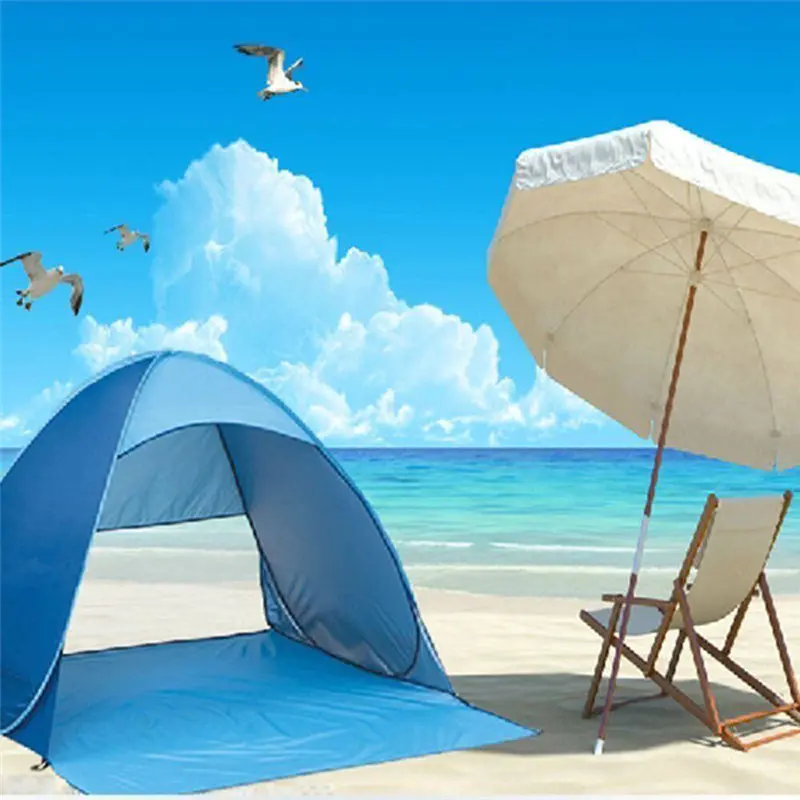
Beach tents prioritize speed of setup, shade, and protection from sun and light wind over a few hours of daytime use. Camping tents prioritize sustained shelter across changing weather conditions, often overnight, sometimes across multiple days in unpredictable environments.
Core structural differences:
- Pole and frame systems: Beach tents commonly use lightweight fiberglass or flexible poles designed for rapid assembly, sometimes self-erecting through tensioned frame systems. Camping tents use more robust pole architecture, often aluminum, engineered to hold shape under sustained wind load rather than just a brief gust.
- Fabric weight and weave: Beach tent fabric is typically lighter, optimized for packability and UV blocking rather than sustained weatherproofing. Camping tents, particularly those built with oxford cloth tent construction, use heavier, tighter-woven fabric designed to resist abrasion, sustained rain, and repeated pitching on rough ground.
- Floor and base design: Many beach tents are bottomless tent designs by intention — open to the sand below for ventilation and easy entry. Camping tents almost always include a sealed, waterproof floor to keep ground moisture and insects out during overnight use.
- Anchoring systems: Beach tents rely on sand stakes and sometimes sandbag pockets, suited specifically to loose sand substrate. Camping tents use guy lines and stakes designed for varied ground — soil, rock, uneven terrain — and are engineered to resist higher sustained wind loads.
These aren't arbitrary differences. They reflect genuinely different engineering problems, and that's the starting point for any honest comparison.
How Does Wind and Water Resistance Actually Compare?
This is where the substitution question gets tested most directly, because weather resistance is the dimension most likely to fail unexpectedly if the wrong tent type is used in the wrong conditions.
A Wind And Waterproof Tent built for camping is rated and constructed to handle sustained exposure — rain that lasts hours, wind that gusts repeatedly through the night, temperature drops that stress seams and zippers. Beach tents are generally built to handle moderate coastal breeze and occasional light rain, but not sustained storm conditions.
Practical wind resistance comparison:
| Condition | Beach Tent Performance | Camping Tent Performance |
|---|---|---|
| Light breeze, open beach | Generally stable with sand anchors | Stable, often over-engineered for this condition |
| Sustained moderate wind | Risk of frame stress or pole flex | Designed to hold shape under sustained load |
| Gusting wind, storm conditions | High risk of structural failure | Built to resist within rated wind speed |
| Light rain, short duration | Adequate water shedding | Fully waterproof with sealed seams |
| Sustained or heavy rain | Likely to leak through seams or fabric | Designed for extended wet weather exposure |
| Overnight temperature drop | Limited insulation, no floor seal | Sealed floor and structure retain warmth better |
The pattern is consistent: beach tents perform adequately within their designed envelope and degrade quickly outside it. Camping tents are built with margin above typical use conditions, which is part of why they cost more and weigh more.
When Can a Beach Tent Genuinely Substitute for a Camping Tent?
The substitution question isn't a simple yes or no — it depends heavily on season, location, and what the user actually needs from the shelter.
Conditions where substitution works reasonably well:
- Summer beach camping in stable, low-wind coastal weather with no overnight storm forecast
- Festival and event use where the tent serves as daytime shade and short overnight shelter in a controlled environment
- Backyard or casual short-duration camping where weather risk is minimal and help is close by
- Warm-climate travel where insulation and sustained waterproofing aren't priorities
Conditions where substitution creates real risk:
- Mountain or forest camping with variable terrain, temperature swings, and less predictable weather
- Any trip where overnight storms are a realistic possibility
- Multi-day trips where consistent shelter integrity matters across changing conditions
- Cold-weather or shoulder-season camping where insulation and full enclosure matter for safety, not just comfort
The honest answer is that beach tents substitute well for short, fair-weather, low-risk situations and substitute poorly for anything involving sustained exposure or unpredictable weather. This isn't a flaw in beach tent design — it's simply outside what they were built to do.
Comparing Tent Categories for Seasonal Versatility
Beyond the basic beach-versus-camping comparison, several tent categories occupy different points on the versatility spectrum, and understanding where each sits helps with both personal gear decisions and retail product planning.
Automatic Pop Up and Instant Setup Tents
A camping tent automatic pop up design — and the broader category of automatic instant pop up tent products — solves for speed. These tents use pre-tensioned frame systems that expand into shape within seconds of release from their carry bag. The tradeoff for that convenience is typically a lighter frame and fabric system, which limits sustained weather performance compared to traditional pole-assembled tents.
These products work well as a middle ground: faster than a full camping tent setup, generally more robust than a basic beach shade, and reasonably versatile across day trips, casual overnight stays, and moderate weather. They're not the right choice for serious multi-day wilderness camping, but they cover a meaningful range of casual outdoor use.
Tunnel Tents
Tunnel tents for sale typically represent a different structural philosophy — a series of connected arched poles creating an elongated, aerodynamic shape that handles wind differently from dome or pop-up designs. The tunnel shape sheds wind more effectively when oriented correctly, which makes this category genuinely competitive with traditional camping tents for sustained outdoor use, while still offering relatively fast setup compared to older frame tent designs.
Inflatable Tents
A self inflating camping tent or wholesale inflatable tent product uses air-filled beams instead of rigid poles. This removes pole-snapping as a failure mode entirely, which is a genuine durability advantage in windy conditions where rigid poles can fracture under stress. Inflatable structures also tend to flex and absorb gust energy rather than rigidly resisting it, which can reduce structural fatigue over repeated wind exposure. The tradeoff is dependence on the air pump and valve system functioning correctly, and a typically higher price point than comparable pole tents.
Rooftop Tents
A waterproof rooftop tent sits in a different use category entirely — mounted to a vehicle roof rack rather than pitched on the ground. For users who travel by vehicle to their camping location, rooftop tents solve the ground-condition problem completely, since the sleeping surface is elevated above wet ground, uneven terrain, and ground-dwelling insects. Rooftop tent wholesaler partnerships have grown as vehicle-based camping and overlanding have expanded as outdoor activity categories, representing a genuinely distinct product line from traditional ground tents rather than a direct substitute.
What This Means for Seasonal Product Strategy
For retailers and distributors managing tent inventory, the beach-versus-camping substitution question translates directly into product line and seasonal stocking decisions.
Practical product portfolio considerations:
- Summer-heavy markets benefit from a strong beach tent and pop-up tent presence, since demand concentrates in warm-weather months and price-sensitive casual users dominate the buying pool
- Year-round outdoor markets require maintaining genuine camping tent inventory — Wind And Waterproof Tent products with full weather ratings — alongside beach products, since the substitution gap becomes a liability if customers buy the wrong product for serious use
- Mixed-use retailers benefit from clear in-store or online product positioning that distinguishes beach, pop-up, tunnel, inflatable, and rooftop categories by intended use rather than grouping all tents together, reducing customer disappointment and return rates
- Seasonal transition periods — spring and fall — represent an opportunity to position mid-range products like tunnel tents and inflatable tents as versatile options that bridge the gap between pure beach use and serious camping demands
Retailers who treat all tents as interchangeable inventory tend to see higher return rates and customer dissatisfaction when a beach tent fails under camping conditions it was never designed for. Clear category education, both in product descriptions and in-store signage, reduces this mismatch.
Material Choice and Why It Matters Beyond the Spec Sheet
Material selection underlies most of the performance differences discussed so far, and it's worth examining directly because suppliers often default to whatever is cheapest without considering the actual use environment.
Oxford cloth tent construction, common in higher-quality camping tents, uses a tightly woven polyester or nylon base fabric, often coated with a polyurethane layer for waterproofing and abrasion resistance. This construction holds up well to repeated pitching on rough ground, sustained UV exposure, and the abrasion that comes from packing and unpacking gear regularly.
Lighter fabrics common in beach tents prioritize pack weight and breathability over abrasion resistance. They perform fine on sand, where ground abrasion is minimal, but degrade faster when used on rocky or forested camping terrain where the fabric contacts harder surfaces.
For manufacturers and wholesale buyers, understanding which fabric specification suits which end use prevents the common mistake of using beach-grade materials in products marketed for general camping use — a substitution that looks fine on a spec sheet but fails in actual field conditions.
Building a Balanced Outdoor Tent Product Line
For businesses sourcing or distributing outdoor tents, the practical takeaway from this entire comparison is that a balanced product line serves customers better than treating any single tent type as a universal solution.
Recommended approach for a well-rounded tent catalog:
- Stock genuine beach and casual-use tents for warm-weather, low-risk applications where speed and affordability matter most
- Maintain proper camping tent inventory — wind and waterproof rated products — for customers with serious outdoor or unpredictable-weather needs
- Include tunnel and inflatable tent options as a versatile middle category that bridges casual and serious use cases
- Offer rooftop tent options for the growing vehicle-based camping market, recognizing this as a distinct product category rather than a tent substitute
- Provide clear product education that helps customers self-select the right category rather than assuming all tents are interchangeable
This approach reduces returns, improves customer satisfaction, and positions a business to capture demand across the full range of outdoor use cases rather than concentrating risk in a single product category that doesn't fit every season or every customer.
Beach tents and camping tents solve genuinely different problems, and the substitution question doesn't have a single universal answer — it depends on season, location, weather risk, and how seriously the shelter needs to perform when conditions turn unpredictable. For casual summer use in stable weather, the overlap between categories is real and meaningful. For anything involving sustained exposure, uncertain terrain, or overnight risk, the engineering differences in frame strength, fabric weight, and water sealing become the factors that actually matter. Whether you're outfitting your own outdoor gear collection or building a seasonal product strategy for retail and wholesale distribution, understanding these distinctions prevents costly mismatches between product and use case. Zhejiang Mansen Leisure Products Co., Ltd. manufactures a full range of outdoor tent products, including beach tents, automatic pop up tents, tunnel tents, inflatable tents, and rooftop tents, supporting wholesale and retail partners in building product lines suited to genuine seasonal and use-case demand. Reaching out with your target market, seasonal sales pattern, and volume requirements is a practical way to align your tent inventory with what your customers actually need.
