

 en
en  English
 Español
 русский
 Deutsch
 عربى
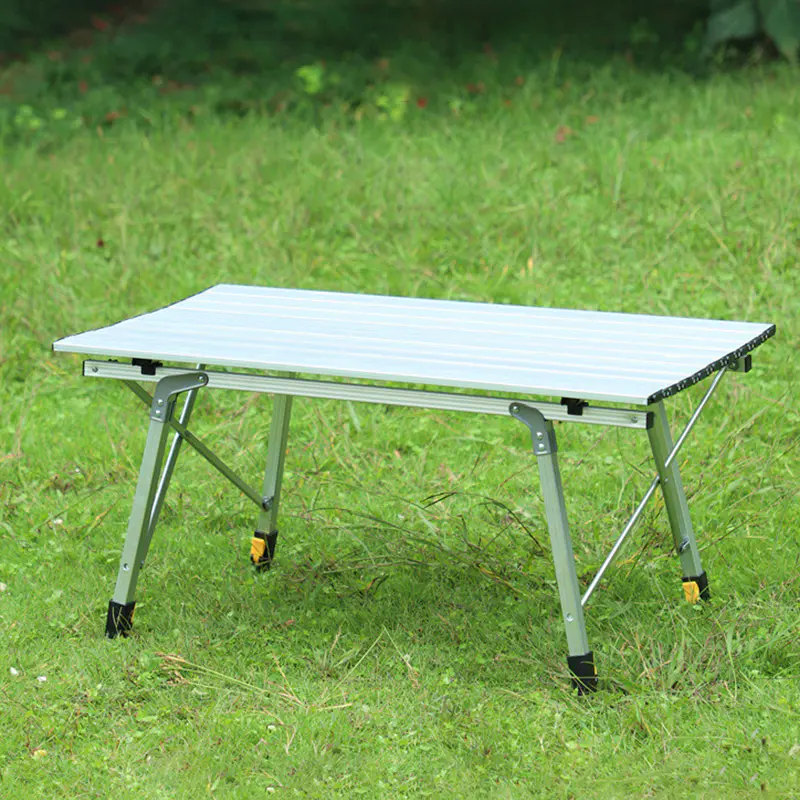
عربىEvery gram in a hiking pack gets evaluated at some point on the trail, usually about an hour after the climb gets steeper than expected. Adding a table to that load sounds like an easy thing to cut, until you've spent three days crouching over a camp stove on uneven ground trying to prep a meal without a stable surface. An Outdoor Folding Camping Table solves a real problem in camp life, but it only makes sense if the weight, packed size, and setup time actually fit the type of trip being planned. Getting that match right is what separates a piece of gear that earns its place on every outing from one that gets left in the car after the first use.
Why Do Hikers and Backpackers Actually Need a Camping Table?
The case for bringing a table isn't always obvious to people who haven't tried it, so it's worth being specific about what it actually changes in a camp setup.
Working on the ground creates real friction, especially for meals, navigation, and anything requiring two hands and a flat surface. A table raises everything to a usable working height, keeps gear off damp or uneven ground, and provides a dedicated space that stays organized even when the rest of camp is in motion.
Where a portable table genuinely earns its weight:
- Meal prep, where a stable cutting and cooking surface makes a meaningful difference in safety and efficiency
- Backcountry map reading, where a flat surface reduces handling errors and keeps gear dry
- Multi-night base camps, where having an organized central work area improves camp life considerably
- Group trips, where a shared surface reduces the chaos of everyone managing gear independently
Day hikes with no overnight component rarely justify the weight. But for any trip involving two or more nights out, especially with cooking or navigation needs, the case becomes considerably stronger.
What Makes a Folding Table Suitable for Hiking Versus Car Camping?
This distinction matters more than it might seem, because a table sized and weighted for car camping creates real problems when carried on the back for several miles.
Weight and Pack Compression
Car camping tables can afford to be heavier, since they travel in a trunk rather than on a back. A hiking or backpacking table needs to come in light enough that it doesn't meaningfully degrade the overall pack experience. Ultra-lightweight designs in aluminum or carbon fiber construction are the category where this works, while heavier steel-frame options make more sense for car camping and drive-to-site setups.
Packed Dimensions
How small a table compresses when folded determines whether it actually fits inside a hiking pack or has to be strapped to the outside. Roll-top tables and those with truly compact fold designs tend to integrate more cleanly into a standard backpack than tables that fold flat but remain large in their footprint.
Setup Time and Complexity
A Travel Camping Table that requires tool-assisted assembly or a complex multi-step setup adds friction to camp life. For hiking and backpacking use, simple and fast matters more than elaborate adjustment mechanisms, since camp setup often happens in fading light or in weather that's pushing toward something unpleasant.
What Materials Are Used in Hiking-Appropriate Tables?
Material selection shapes three things simultaneously: weight, durability, and how the table handles outdoor conditions. There's no version that maxes out all three at once, which is why understanding the trade-offs matters before choosing.
Aluminum Frame Construction
Aluminum is the most common frame material for hiking-appropriate tables, and for good reason. It sits at a workable point on the weight-to-durability curve, handles moisture without corroding the way steel would, and packs down reasonably well in most folding designs.
Wood Top Camping Table Options
Wood top designs offer a warmer feel underhand and can be surprisingly durable, but they add weight and require more care in wet conditions. A wood top camping table tends to make more sense for lower-mileage trips where the sensory experience of camp matters more than trimming grams.
Synthetic and Hard Composite Tops
Plastic or composite tops are light, easy to clean, and resistant to moisture, making them practical in wet environments. They're less aesthetically appealing than wood but perform well under hard use.
Carbon Fiber Options
At the premium end of the weight range, carbon fiber frames deliver a significant reduction in pack weight while maintaining structural integrity. The cost is higher, but for hikers serious about ultralight setups, the weight savings justify the investment.
How Should You Choose Based on Trip Type?
Not every outdoor table is the right choice for every kind of trip. Matching the product to the trip type saves both money and frustration.
| Trip Type | Recommended Table Style | Key Priority | What to Avoid |
|---|---|---|---|
| Weekend backpacking | Ultra-lightweight aluminum, compact fold | Weight and packed size | Heavy steel frames |
| Multi-night base camp | Mid-weight with larger surface area | Surface space and stability | Very small roll-up designs |
| Car camping with hiking day trips | Heavier with more features | Comfort and utility | Carrying it on the trail |
| Group hiking trips | Lightweight, easy shared setup | Setup speed and surface area | Single-person compact designs |
| Solo ultralight backpacking | Roll-up or minimalist fold design | Packed weight | Any table over a certain carry weight |
Reading down this, the pattern is clear: the lighter and more compact the trip needs to be, the more the table specification needs to reflect that.
Does a Table Need to Be Waterproof for Outdoor Use?
Weather protection is one of those specifications that sounds important on paper but carries different weight depending on where and when you're camping.
When Waterproofing Matters
If trips regularly involve rain, morning dew, stream crossings, or any coastal environment, a waterproof or at least water-resistant table surface makes a real difference. Water that sits on a porous wood surface warps it over time and creates a slippery, unpleasant working area during active rain.
When It's a Lower Priority
In dry climates or predominantly fair-weather camping, a waterproof camping table is a nice feature but not a deal-breaker. Standard surfaces with reasonable care still hold up well across many seasons of use.
How to Tell What You're Getting
Look for coated surfaces or closed-cell construction in the tabletop material. Simple aluminum or plastic composite tops tend to handle water better than untreated wood. Some wood tops include a protective sealing coat that extends their resistance to moisture considerably.
What About Height Adjustment?
A camping table with adjustable height sounds useful, and it genuinely is in some contexts, but it's worth weighing whether that feature justifies the added weight and mechanical complexity in a hiking setup.
Fixed-height tables are lighter and have fewer failure points. They work well when the primary use case is standing or seated camp chair height, and the simplicity means setup is faster and nothing can go wrong with an adjustment mechanism.
Adjustable-height tables make more sense in base camp setups where multiple uses, including cooking height, eating height, and surface work, need to be accommodated on the same table without swapping gear.
For backpacking specifically, the weight penalty of an adjustment mechanism often argues against it unless the versatility is genuinely needed on the planned trips.
How Does Table Stability Work on Uneven Ground?
Stability on rough terrain is one of the more underrated specifications in this category. A table that wobbles on every gentle slope creates more frustration than it solves.
Leg Design and Ground Contact
Wide-set legs with rubberized foot caps grip uneven surfaces better than narrow-set designs with bare metal ends. Some tables include leg locks that prevent spreading under lateral load, which helps on soft ground where leg splay is more likely.
Weight Distribution
Wider tabletop designs distribute load across a larger area, which improves stability on soft or uneven surfaces. Long narrow tables concentrate load and can tip more easily in the same conditions.
Leveling Features
Some designs include individual leg adjustment, allowing each corner to be set independently on uneven ground. This is a useful feature for mountainous or rocky terrain where finding a truly level surface is difficult.
What Questions Should Buyers Ask When Evaluating Specific Products?
Moving from general specifications to actual product selection benefits from a focused set of evaluation questions that cut through marketing language and get to practical performance.
- What is the actual carry weight including the bag or case?
- What are the packed dimensions, and will it fit inside the pack I'm using?
- How many steps does setup require, and can it be done without tools?
- What load can the table hold without flexing or tipping?
- What material is the tabletop, and how does it handle water and heat?
- Are replacement parts available if something breaks in the field?
For buyers evaluating at scale, whether for retail, wholesale, or OEM sourcing, a few additional questions become relevant:
- What production materials and quality control processes are in place?
- Can design specifications be customized for specific retail or outdoor brand requirements?
- What are the lead times for standard and custom orders?
- Does the supplier have experience producing lightweight outdoor furniture at consistent quality across production runs?
How Does a Folding Table Improve the Camp Experience Beyond Meals?
It's easy to focus on cooking when thinking about why a table is useful, but the practical applications go wider than that in extended camp setups.
- Navigation and trip planning: spreading a map flat on a table surface beats trying to hold one steady in wind
- First aid: having a clean, stable surface available for treating minor injuries matters more than people anticipate until they need it
- Electronics management: charging devices, writing notes, or managing a GPS unit all benefit from a stable, elevated surface away from ground moisture
- Social camp life: a shared surface around which a group can gather changes the social dynamic of camp life in a way that's hard to quantify but consistently noted by hikers who have tried it
Practical Selection Steps for Retailers and Sourcing Teams
Step 1: Identify the Target Trip Profile
Classify the intended customer as backpacker, car camper, or base camp user, since this determines which weight and size specifications the range should prioritize.
Step 2: Evaluate Weight Range Coverage
A well-rounded range typically covers ultralight options for backpacking, mid-weight for base camping, and heavier-duty designs for car camping or group use.
Step 3: Assess Material Durability Under Outdoor Conditions
Request samples and evaluate how well surface materials and frames hold up to moisture, temperature variation, and the kind of mechanical stress that comes from regular packing and unpacking.
Step 4: Confirm Setup and Packdown Simplicity
Test the setup process yourself rather than relying on a step count from a product description, since the practical experience often differs from what's listed.
Step 5: Verify Supply Chain Consistency
For ongoing wholesale relationships, confirm that quality and specifications remain consistent across production batches, since variation between runs creates retail and consumer experience problems that are difficult to manage after the fact.
Choosing the Right Table for Every Trail and Camp Setup
An Outdoor Folding Camping Table works best when it genuinely fits the trip it's going on, which means the selection decision needs to account for trail mileage, group size, terrain, expected weather, and what camp activities the table actually needs to support. A well-matched table disappears into camp routine as a useful piece of infrastructure. A poorly matched one is either left behind because it's too heavy or found frustratingly inadequate because it wasn't built for the conditions involved. For retailers, distributors, and outdoor brands looking to offer a reliable, field-tested range of folding camping tables, Zhejiang Mansen Leisure Products Co., Ltd. manufactures portable outdoor furniture designed around the specific demands of hiking and backpacking use, supporting product development and wholesale sourcing for brands that need consistent quality and practical performance across their outdoor furniture range. If your business is evaluating folding table options for a new season or expanding an existing outdoor product lineup, sharing your specific requirements is a practical way to start that conversation.
