

 en
en  English
 Español
 русский
 Deutsch
 عربى
عربىShouldering a pack that feels heavier with every mile, knowing full well half that weight is a tent and sleeping pad you'll only use for a few hours of actual rest, that's the exact frustration Ultralight Hammock Gear was designed to solve. Anyone who has hiked a long trail with traditional shelter equipment weighing down every step understands why so many backpackers eventually start looking at hammocks as an alternative worth taking seriously.
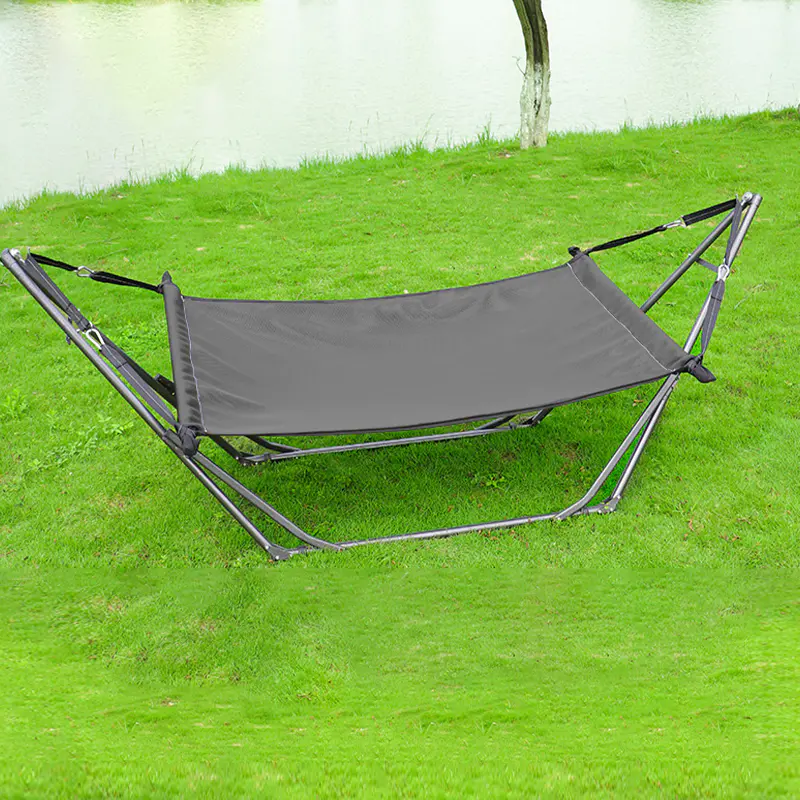
Why Does a Hammock Weigh Less to Begin With?
The basic logic here isn't complicated once you break it down. A traditional tent setup involves several separate components stacked together, the tent body itself, tent poles, a rainfly, stakes, and often a separate sleeping pad to insulate against ground cold. Each piece adds weight individually, and together they add up fast.
A hammock replaces most of that system with a single hanging structure suspended between two anchor points, usually trees. No rigid poles needed to hold shape, no ground footprint requiring a separate pad for comfort, and often a simpler overall design that eliminates several pounds of gear a tent setup would otherwise require.
Does This Mean Hammocks Always Weigh Less No Matter What?
Not automatically, no. A poorly designed or overbuilt hammock system, especially one that adds a bulky under quilt, tarp, and heavy suspension straps, can end up weighing close to what a lightweight tent setup would. The weight savings really depend on choosing components thoughtfully rather than assuming any hammock automatically beats any tent by default.
Breaking Down Where the Weight Savings Actually Come From
It helps to look at this piece by piece rather than treating "hammock versus tent" as one single comparison.
- Eliminating rigid tent poles removes a meaningful chunk of carried weight
- Skipping a separate sleeping pad since the hammock itself provides elevated support
- Reducing stake requirements compared to a full tent footprint needing multiple ground anchors
- Compact packed size meaning less bulk even before accounting for actual weight
- Simplified rainfly designs that cover less surface area than a full tent canopy
Stack these savings together and the difference becomes noticeable fast, particularly for backpackers counting every ounce across a multi day trip where cumulative weight really does affect fatigue and pace.
Material Choice Changes Everything
This is where a lot of the real weight difference actually lives, more than people initially assume. Two hammocks built to the same basic design can weigh noticeably different amounts depending purely on fabric choice and construction method.
Woven nylon hammock designs tend to strike a reasonable balance between weight savings and durability, holding up against typical outdoor wear without adding unnecessary bulk. Thinner nylon weaves reduce pack weight further but sometimes trade off a bit of long term durability, which matters more for frequent users than occasional weekend campers.
Is Thinner Fabric Always the Right Choice for Reducing Weight?
Not necessarily, and this is worth thinking through before buying based purely on weight numbers. Ultra thin fabric saves grams but can wear through faster with repeated setup and takedown, particularly against rough tree bark or abrasive surfaces. Buyers planning frequent extended trips often find a slightly heavier but more durable weave actually serves them better over time, even if it means carrying marginally more weight per trip.
Comparing Hammock Types by Weight and Use Case
| Hammock Type | Typical Weight Profile | Best Suited Use | Notable Feature |
|---|---|---|---|
| Woven nylon hammock | Light to moderate | General backpacking, multi day trips | Balance of durability and weight |
| Outdoor net hammock | Very light | Warm weather, insect heavy environments | Breathable mesh design |
| Elastic hammock | Moderate | Comfort focused camping, shorter trips | Stretch material improves body support |
| Standard canvas hammock | Heavier | Backyard or car camping, less weight sensitive | Higher durability, less packable |
Treat this table as a general starting point rather than a strict rule, since actual weight varies by manufacturer, size, and specific fabric denier used in construction.
Outdoor Net Hammocks for Warm Climates
For anyone hiking through warmer, buggier environments, an outdoor net hammock often makes sense beyond just weight considerations. The mesh construction naturally weighs less than solid fabric while also providing airflow and some protection against insects, addressing two problems at once without adding separate gear like a standalone bug net.
This type tends to appeal specifically to backpackers moving through humid or tropical trail conditions, where staying cool matters just as much as staying light. The tradeoff, worth mentioning honestly, is reduced warmth retention compared to solid fabric designs, meaning net hammocks generally suit warm weather use rather than cold or shoulder season trips.
Elastic Hammocks and Comfort Considerations
Weight reduction matters enormously for backpacking, but comfort still factors into the equation for a lot of users, particularly those camping for extended stretches rather than quick overnight stops. An elastic hammock incorporates stretch material that conforms somewhat to body shape, offering support that feels different from a rigid, non stretch fabric.
This added comfort sometimes comes with a small weight tradeoff compared to the lightest possible woven options, though the difference tends to be minor rather than dramatic. For backpackers prioritizing sleep quality across multi day trips, that small weight increase often feels worth it.
Does Comfort Really Matter as Much as Raw Weight Savings?
For a lot of long distance hikers, yes, genuinely. Shaving a few extra ounces off pack weight matters less if poor sleep quality leaves someone exhausted and less capable of covering distance the following day. Balancing weight against comfort, rather than chasing weight reduction as the only priority, tends to produce a better overall backpacking experience.
Steps for Choosing the Right Setup
Working through a practical decision process helps buyers avoid picking a hammock based purely on marketed weight numbers without considering how it actually performs on trail.
- Consider typical trip length and whether comfort or pure weight savings matters more
- Evaluate expected climate conditions, since warm weather and cold weather setups differ significantly
- Factor in durability needs based on frequency of use and trail conditions
- Compare packed size alongside actual weight, since bulk affects overall pack efficiency too
- Test setup and takedown speed, since a lightweight hammock that's cumbersome to hang loses some of its practical advantage
Skipping this evaluation process and buying based purely on the lowest weight spec sometimes leads to disappointment once actual trail use reveals durability or comfort issues that weren't obvious from a product listing alone.
Sourcing Considerations for Retailers and Distributors
Beyond individual backpackers, outdoor gear retailers and distributors evaluating hammock lines for resale face a slightly different set of questions. Working with established hammock manufacturers rather than smaller, less consistent operations tends to reduce quality variation across bulk orders, which matters considerably when reputation and customer satisfaction ride on product consistency.
A few questions worth raising with any potential hammock wholesaler or manufacturing partner:
- Can they demonstrate consistent fabric weight and quality across production batches
- What durability testing has been performed under realistic outdoor conditions
- Is there flexibility for private label branding or custom sizing requests
- How does the supplier handle quality control for larger recurring orders
Straightforward answers to these questions tend to indicate a manufacturer worth pursuing further, particularly for distributors planning to build a longer term product line around lightweight camping gear.
Bringing This Together
Reducing backpack weight through hammock camping really comes down to understanding which components actually contribute to the savings and which tradeoffs matter for your specific trail conditions and camping style. Eliminating rigid poles, separate sleeping pads, and bulky ground stakes accounts for most of the weight difference, but fabric choice, climate suitability, and comfort preferences all shape whether a particular hammock setup genuinely improves the overall backpacking experience or just shifts weight savings into other compromises. Buyers evaluating options for personal use or for retail distribution both benefit from looking past marketed weight figures alone and considering durability, climate fit, and real world comfort before committing to a specific design. Zhejiang Mansen Leisure Products Co., Ltd. works with outdoor brands and distributors navigating exactly these sourcing decisions, offering production capability across lightweight hammock designs suited to varying climate and trail conditions, and welcomes an inquiry from any team ready to discuss specifications for an upcoming order.
