

 en
en  English
 Español
 русский
 Deutsch
 عربى
عربى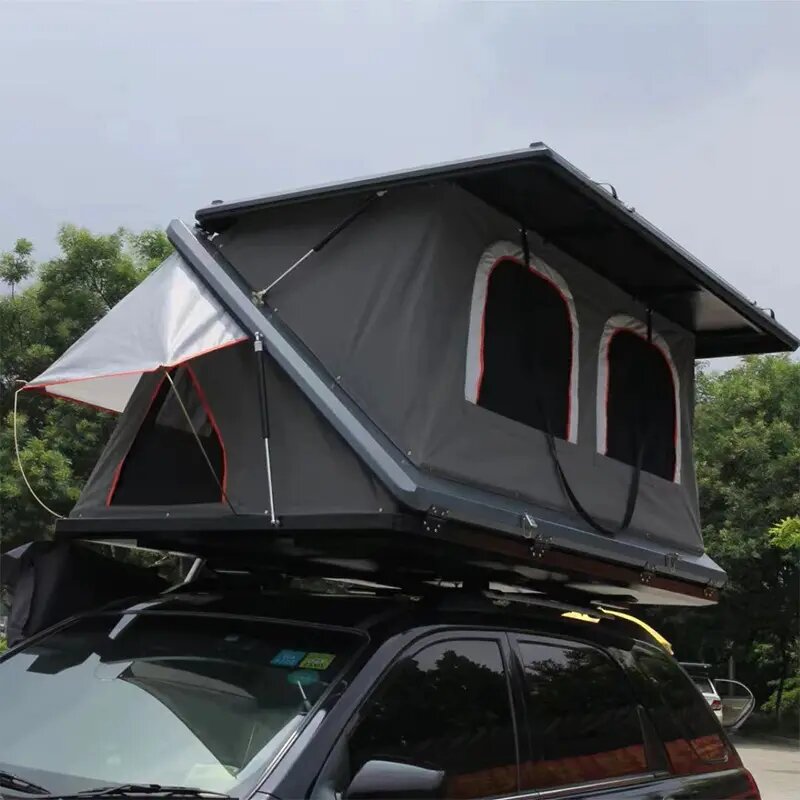
Rooftop Tent provide a raised sleeping platform that keeps you off uneven or damp ground and away from insects and small wildlife at night. Mounted directly on your vehicle's roof rack, these tents work well on SUVs, vans, and crossovers. Many models unfold quickly while staying stable, offering a convenient way to combine shelter with mobility.
Material quality, construction, weather protection, size and layout, setup ease, and ventilation all play a major role in how comfortable and reliable the tent will be in real camping situations.
Material and Build Quality
The fabrics, frame, and stitching largely determine how long a Rooftop Tent will last. Look for durable yet flexible fabrics that can withstand sun, wind, and rain while still folding down neatly for storage. Reinforced stitching at stress points adds strength where it is needed most.
The frame should be made from lightweight but strong materials such as aluminum or composites. Solid connection points between frame sections are important because they face repeated opening and closing. Some designs include extra crossbars or support beams to keep the fabric properly tensioned and prevent sagging or stretching over time.
Water resistance starts with the fabric itself. Good coatings or laminates help repel rain and reduce moisture buildup inside. If you often camp in wet conditions, prioritizing a Waterproof Rooftop Tent with strong water protection is one of the most important decisions.
Waterproofing and Weather Resistance
Weather protection is a top concern for most Rooftop Tent users. Effective waterproofing typically involves multiple fabric layers, specialized coatings, sealed seams, and storm flaps that work together to keep the sleeping area dry during rain.
Since the tent sits elevated on the roof, it is exposed to more wind than a ground tent. Look for aerodynamic shapes, well-tensioned fabric, and reinforced frame connections that help the tent stay steady in gusty conditions. Adjustable vents and mesh panels allow fresh air to flow without letting rain or strong wind inside.
Important weather-resistance features to evaluate include:
- Waterproof coatings that repel water and prevent seepage
- Sealed seams that stop leaks at fabric joints
- Adjustable vents that maintain airflow while blocking rain
- Protective covers that shield the tent during travel and storage
- Reinforced frame joints that improve stability in windy conditions
A tent with solid weather resistance makes camping much more comfortable across different seasons and climates.
Tent Size and Sleeping Capacity
Size and interior layout have a big impact on comfort. Compact single-person tents are easier to handle and lighter on the roof, while double or family-sized models provide more room for multiple campers and gear.
Consider the interior footprint, headroom, and overall space. Larger tents give more freedom to move around but add weight and require careful attention to your vehicle's roof load limits. Smaller tents set up faster and have less effect on driving but may feel tighter inside.
Many designs include practical interior details such as side pockets, storage nets, and small compartments. These help keep personal items organized without cluttering the sleeping area — especially useful in more compact tents.
Setup and Accessibility
Ease of setup is one of the biggest practical advantages of Rooftop Tents. Smooth folding mechanisms and simple mounting systems can save significant time, particularly when moving between campsites.
Access to the raised platform usually comes through a ladder. A stable, well-angled ladder makes climbing up and down safer and more comfortable. Some models offer telescoping or adjustable ladders that can be matched to different vehicle heights and ground conditions.
Storage during travel also matters. Tents that fold down compactly and stay balanced on the roof rack have less impact on vehicle handling and fuel efficiency. Strong straps, locks, and protective covers help keep the tent secure and protected while driving.
Ventilation and Insulation
Good ventilation helps control temperature and reduces condensation inside the tent. Mesh windows, adjustable vents, and well-placed panels allow fresh air to circulate while keeping rain and wind out. This is particularly helpful in humid or warmer weather.
Insulation needs vary depending on the climate and season. Some materials help retain warmth on cooler nights, while others focus on breathability to avoid overheating. Layered fabrics or reflective linings can improve comfort in different conditions.
The placement of vents also affects privacy and protection from the elements. Thoughtful design allows good airflow without sacrificing shelter from rain or strong gusts.
Interior Features and Comfort
The inside of a Rooftop Tent plays a big part in how comfortable your nights will be. The sleeping platform should feel level and supportive. Some tents come with built-in mattresses that fit the frame well, while others let you add your own sleeping pad. This flexibility helps match different sleeping preferences.
Storage space inside makes daily life easier. Look for built-in pockets, hanging nets, and loops where you can keep phones, headlamps, clothes, or small gear within easy reach. On longer trips, these details help keep the tent organized and prevent clutter, especially in tighter spaces.
Lighting and ventilation also affect comfort. Many tents include attachment points for lights or lanterns so you don't lose floor space. When combined with good adjustable vents and windows, the interior feels more open and livable while still staying protected from wind and rain.
Safety and Stability
Safety is essential with any Rooftop Tent. Always match the tent's weight plus your gear to your vehicle's roof load limit. Secure mounting to a quality roof rack system is critical so the tent stays firmly in place while driving or during bad weather.
Inside the tent, reinforced corners, tensioned supports, and locking pins help keep everything stable and reduce shifting at night. Because the tent sits higher up, wind can be stronger, so designs that spread force evenly across the frame help prevent excessive swaying.
The ladder is another important safety point. It should be stable with good footing, especially on uneven or soft ground. Following the manufacturer's guidelines for installation, weight limits, and ladder setup helps avoid accidents and keeps the tent secure.
Portability and Storage Considerations
If you move camp often, portability matters a lot. Consider the tent's weight when folded, its packed dimensions, and how well it fits on your vehicle's roof rack.
Compact folding designs are helpful because they leave more room for other roof accessories like storage boxes or solar panels. Protective covers and strong straps protect the fabric from dust, moisture, and sun during travel. For people who remove the tent regularly, lighter frames and manageable size make handling much easier.
Weight distribution on the roof is also key. A balanced load keeps the vehicle handling better and reduces strain. Smaller vehicles usually work best with more compact tents, while larger vehicles can handle bigger models.
Additional Features and Accessories
Many Rooftop Tents offer useful add-ons that improve usability. Awnings, annex rooms, and extra rain covers can extend your sheltered space when needed.
Modular options like removable walls or internal dividers let you adjust the layout for different needs. Integrated hooks, gear pockets, and water drainage channels add convenience without weakening the structure.
When adding accessories, check that they work well with both the tent frame and your roof system. They should not interfere with folding the tent, ventilation, or overall stability. The best add-ons increase flexibility while respecting the tent's limits.
Environmental and Usage Conditions
The terrain and climate where you camp should guide your choice. The raised design naturally protects you from uneven ground and minor flooding, but the materials still need to handle temperature swings, moisture, and sunlight.
For windy or rainy areas, look for strong Waterproof Rooftop Tent features such as durable coatings, reinforced seams, and shapes that handle wind better. Positioning the tent away from prevailing winds and on level ground also helps.
Over time, exposure to the elements can wear on any tent. Simple maintenance like regular cleaning, complete drying after use, and checking seams and frame connections helps the tent last longer and perform reliably on future trips.
Choosing a Rooftop Tent comes down to balancing several practical features: material quality, weather resistance, interior comfort, safety, setup ease, portability, and how well it suits your typical camping conditions.
Paying attention to ventilation, insulation, storage, and stability helps create a shelter that feels comfortable rather than just functional. Good portability and thoughtful accessories add flexibility without overcomplicating things.
By considering your usual terrain, climate, and how often you travel, you can pick a tent that fits your real needs. Options from Zhejiang Mansen Leisure Products Co., Ltd. focus on this practical balance, offering durable and user-friendly designs suitable for a wide range of outdoor adventures.
