

 en
en  English
 Español
 русский
 Deutsch
 عربى
عربى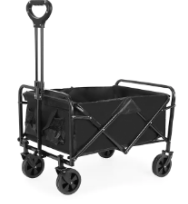
When getting ready for a camping trip, a good cart quickly turns into one of the most useful items you bring. It lets you carry the tent, cooler, folding chairs, food boxes, sleeping bags, and everything else in a single trip instead of walking back and forth multiple times.
Most people start by looking at the frame strength, fabric quality, or how much storage space the cart offers. Yet after actual use, the wheels often end up mattering more than anything else.Talks with Camping Cart Supplier usually focus on simple, everyday observations rather than technical details — how the cart handles uneven ground, whether it drifts to one side when loaded, or how much effort turning takes. These small points make a surprising difference once the cart is in regular use.
The Role of Wheels in How a Camping Cart Works
Wheels determine how the cart interacts with the ground. Without them, it is just a box. With the right wheels, it becomes a practical tool that moves with you instead of against you.
Their importance shows up in common situations such as:
- Crossing a campsite with mixed surfaces of grass, dirt, and gravel
- Pulling the loaded cart over short slopes or small rises
- Turning around rocks, logs, or other obstacles
- Starting and stopping without sticking or jerking
When the wheels are well suited to the task, the cart follows movement naturally. Little correction or extra force is needed. If the wheels do not match the surface, even a light load can quickly feel heavy and difficult to manage.
Sometimes the difference is small but noticeable. One cart may roll smoothly on pavement but struggle as soon as it hits grass. Another may work well on firm soil but sink or dig in on sand. These differences usually come from the wheel design rather than the rest of the cart.
Types of Wheels and How They Feel in Use
Different Camping Carts use different wheel setups, and each one behaves a little differently depending on the terrain and how the cart is used.
Common types include:
- Fixed wheels: These stay pointed straight ahead. They provide steady forward movement and good tracking for longer distances, but turning requires more effort.
- Swivel wheels: These rotate freely, making direction changes quick and easy. They work well in tight spaces around camp but can feel less stable on bumpy or sloped ground.
- Wide wheels: The broader surface spreads weight more evenly and helps prevent sinking into soft ground.
- Narrow wheels: These maneuver easily on firm, flat surfaces but can dig in or get stuck more easily on loose or soft terrain.
A cart with swivel wheels often feels more nimble when moving around a busy campsite, while fixed wheels tend to offer better straight-line stability for longer hauls. Good suppliers usually recommend wheel types based on the expected ground conditions rather than appearance alone.
Wheel Material and Its Effect on Durability
The material of the wheels influences how they handle pressure, friction, and outdoor conditions. The effects may not show right away, but they become clear with regular use.
Typical materials include:
- Rubber or rubber-like surfaces: These offer better grip, roll more quietly, and flex slightly over small bumps, which improves stability.
- Hard plastic surfaces: They are lighter and easier to clean but can feel harsher and less forgiving on rough terrain.
- Layered or mixed materials: Some wheels combine different layers to balance flexibility and firmness.
Softer materials often keep better traction but may show wear sooner. Harder materials tend to last longer but can provide less grip in certain conditions. The right choice depends mainly on the surfaces the cart will meet most often and the typical loads it will carry.
Performance on Different Terrains
Outdoor ground is rarely the same from one spot to the next. A single trip can include pavement, grass, gravel, soil, and sand.
Common observations include:
- On grass, wider wheels help avoid sinking and make pulling smoother.
- In sand, broad wheels usually glide better, while narrow ones tend to dig in and resist movement.
- On gravel or uneven paths, wheels with some flexibility absorb small bumps and keep the ride steadier.
| Terrain Type | Wheel Preference | Typical Experience |
|---|---|---|
| Grass | Wider wheels | Less sinking, smoother pulling |
| Sand | Broad, stable wheels | Easier movement, reduced resistance |
| Gravel | Flexible surface wheels | Better handling of uneven ground |
| Flat pavement | Most wheel types | Smooth movement with minimal effort |
On flat, hard surfaces like pavement, most wheel types roll easily, but stability and tracking still matter when the cart is fully loaded.
Choosing wheels without thinking about the actual terrain can turn a short walk into a tiring chore. A cart that constantly fights the ground takes much of the ease out of setting up camp.
Maneuverability and Ease of Control
How easy a cart is to control often only becomes clear after it has been loaded and used a few times. Wheels play a central role in whether the cart responds naturally or feels like a constant struggle.
Key factors include:
- Turning response: Swivel wheels allow quick direction changes, which is helpful in crowded or narrow campsite areas.
- Tracking stability: Fixed wheels usually follow a straighter path with less drifting.
- Handle interaction: The connection between the handle and wheels affects how natural the cart feels to pull or push.
- Balance during movement: Uneven weight distribution puts extra pressure on certain wheels and can make control more difficult.
Load Bearing and Stability Considerations
An empty Camping Cart usually rolls easily and feels light to handle. Once tents, coolers, chairs, and other gear are loaded, the role of the wheels becomes far more important. Stability comes not just from how much weight the cart can hold, but from how evenly that weight sits across the frame.
Several practical factors affect how well the cart performs:
- Weight distribution: Heavy or tall items placed unevenly tend to shift during movement, which changes how the wheels grip the ground.
- Wheel spacing: Wider spacing between the wheels generally creates better balance, especially when crossing uneven or bumpy ground.
- Center of gravity: Keeping heavier items low and close to the base helps reduce wobbling and improves overall control.
In normal use, simple adjustments to loading often make a clear difference. Placing heavier pieces at the bottom or near the center, for example, allows the cart to move more smoothly with less effort.
Suppliers often mention these points as useful suggestions based on everyday camping situations rather than strict rules.
Maintenance and Wear Over Time
Because wheels stay in constant contact with the ground, wear is part of normal use. Over time, the rolling action may become less smooth, surfaces may feel different, or slight noises may appear. These changes usually happen slowly and can be easy to miss at first.
Basic care helps keep performance steady:
- Regular cleaning: Removing dirt, sand, and small stones prevents buildup that can interfere with smooth rolling.
- Checking rotation: Wheels should turn freely. Any stiffness often points to trapped debris or minor misalignment.
- Inspecting connections: Bolts and fittings can loosen with repeated use. Tightening them as needed maintains stability.
- Monitoring surface wear: Uneven wear on the wheels may indicate that weight needs better balancing or that the cart travels frequently over tough terrain.
These steps take only a few minutes after each trip and require no special tools, helping the cart stay reliable for longer.
Safety Factors Related to Wheel Design
Safety can sometimes be overlooked when focusing on convenience, but wheels play an important part in preventing accidents — especially with a full load or on uneven ground.
Key safety aspects include:
- Grip on different surfaces: Wheels with some flexibility usually stay in better contact with the ground and provide more reliable control.
- Behavior on slopes: A loaded cart can start rolling on even gentle inclines. Choosing level ground and careful positioning helps avoid this risk.
- Turning control: Sharp or sudden turns with heavy weight can cause quick shifts in balance. Gradual movements are generally safer.
- Clear pathways: Rocks, roots, or other obstacles can catch a wheel and create imbalance. Clearing a reasonable path reduces these interruptions.
In daily use, safety largely depends on paying attention to the ground, the load, and the direction of movement.
Choosing a Camping Cart Based on Wheel Features
Choosing the right Camping Cart involves more than checking size and storage space. The wheels should suit the kind of trips and terrain where the cart will be used.
Useful considerations include:
- Short trips on mostly flat ground: Simpler wheel designs are often enough for smooth movement.
- Mixed terrain: Wheels that offer a balance of width and flexibility handle changing surfaces more effectively.
- Family outings with varied gear: Stronger stability becomes more valuable when carrying mixed or heavier loads.
- Frequent use: Durable materials and solid construction better support repeated travel across different grounds.
Talking with a supplier about actual camping habits — the types of ground and loads typically involved — usually leads to better recommendations than specifications alone.
Common Issues Related to Wheels
Even a well-selected cart can develop minor wheel issues during regular use. Most are small and can be corrected early.
Common concerns include:
- Stiff movement: Often the result of dirt buildup or slight misalignment.
- Noise during rolling: Frequently caused by wear or debris caught inside the wheels.
- Uneven motion: Usually linked to unbalanced loading or surface conditions.
- Reduced grip: Can happen as wheel surfaces gradually smooth out after extended use.
Simple cleaning or adjusting the load often brings the cart back to normal function and stops small problems from becoming larger ones.
Practical Tips for Improving Wheel Performance
Small changes in how the cart is used can make a noticeable improvement in performance.
Helpful practices include:
- Selecting paths that avoid very soft or rough ground whenever possible.
- Distributing weight evenly to ease strain on individual wheels.
- Maintaining a steady pulling pace instead of sudden starts or stops.
- Doing a quick visual check of the wheels before each use.
- Storing the cart in a dry, clean place when not in use.
These straightforward habits support smoother and more dependable performance across many camping trips.
Wheels may not be the first thing noticed when selecting a Camping Cart, but they have a strong influence on how the cart actually performs. They affect movement over different terrains, weight handling, balance, and ease of use in many small but important ways.
A good choice looks at wheel structure, material, and expected conditions as part of the overall design. Practical input from a supplier based on real usage scenarios often helps guide the decision.
With careful selection and regular basic care, a Camping Cart can stay reliable through different trips and environments. For practical, well-balanced designs suited to everyday outdoor use, options from Zhejiang Mansen Leisure Products Co., Ltd. provide convenient and dependable performance.
