

 en
en  English
 Español
 русский
 Deutsch
 عربى
عربى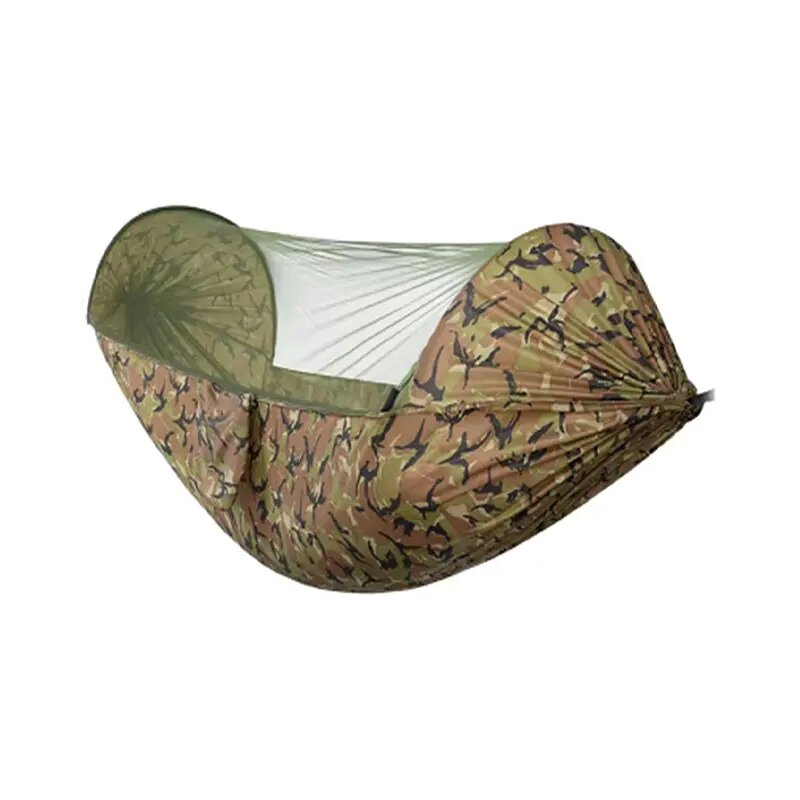
Material Awareness in Outdoor Rest Equipment
Outdoor Camping Hammocks have become a familiar presence in many outdoor settings. They are used in quiet woods, open fields, and resting areas where the ground may not always be suitable for sitting or lying down. At first glance, a hammock looks simple. Yet behind its relaxed appearance lies careful attention to material choice.
Materials affect how a hammock feels, how it reacts to the environment, and how it changes after repeated use. A surface that feels pleasant at first touch may behave differently after exposure to air or moisture. Likewise, a fabric that looks strong may respond poorly to constant folding or tension if it lacks the right structure.
Several factors quietly shape material awareness in outdoor rest equipment:
- Comfort during short and long periods of use
- Stability when surroundings change
- Consistent behavior after packing and unpacking
As outdoor habits continue to evolve, the expectations placed on Outdoor Camping Hammocks also change. People use them not only for short breaks, but sometimes for extended rest. This shift brings materials into focus, as comfort, adaptability, and stability all depend on how fibers and structures work together.
From an industry viewpoint, material awareness is not limited to end users. A Hammock Wholesaler must consider how fabrics behave during storage, transport, and long-term handling. Consistency becomes just as important as comfort, especially when hammocks are distributed across different outdoor environments.
Material Function Requirements in Outdoor Camping Hammocks
Materials used in Outdoor Camping Hammocks are expected to meet several basic functional needs at once. These needs are shaped by real outdoor use rather than appearance alone.
Balanced support is one of the most important requirements. A hammock should spread weight evenly across its surface. Materials that stretch unevenly may create pressure points or cause discomfort over time.
Key functional expectations often include:
- Even weight distribution across the fabric
- Stable response under repeated tension
- Minimal change in shape after use
Adaptation to surroundings is another concern. Outdoor conditions are rarely fixed. Air can feel dry at one moment and damp the next. Materials that respond calmly to these changes tend to maintain their shape and texture longer.
Comfort and resilience must also coexist. A fabric that is too soft may lose its form, while one that is too firm can feel restrictive. Many Outdoor Camping Hammocks rely on materials that bend gently under weight but recover once the load is removed.
Other functional elements work quietly in the background:
- Airflow that reduces surface heat buildup
- Flexibility that allows natural movement
- Structural recovery after rest
Long-term usability ties these factors together. Materials are expected to endure repeated use without sudden changes in behavior. Folding, packing, and stretching all test how fibers interact over time.
Natural Materials Applied in Outdoor Camping Hammocks
Natural fibers have long been associated with comfort. In Outdoor Camping Hammocks, they are often chosen for their familiar feel and gentle surface characteristics.
Cotton-Based Fabric Surfaces
Cotton-based fabrics are known for their soft touch. When used in Outdoor Camping Hammocks, they create a surface that feels welcoming and familiar. This makes them suitable for relaxed outdoor moments where comfort is the main priority.
These fabrics show clear material traits:
- A smooth surface that feels gentle on skin
- A natural response to body temperature
- A relaxed drape under light tension
Cotton interacts with moisture in a noticeable way. It absorbs air moisture easily, which can make the surface feel cooler in dry surroundings. At the same time, this absorption means the fabric may take longer to return to a dry state if conditions change.
Cotton hammocks tend to perform best in calm environments where weather shifts are limited. They also require more attention during storage, especially after exposure to humid air.
From a supply angle, a Hammock Wholesaler often pays close attention to cotton fabric density and stitching quality. Minor variations in weave can influence how well the surface supports repeated use.
Plant-Derived Fiber Blends
Some Outdoor Camping Hammocks use blends of natural fibers rather than relying on a single material. These blends aim to balance comfort with improved stability.
Blended fabrics often show combined characteristics:
- Softer texture than rigid fabrics
- Better shape retention than pure cotton
- More predictable behavior during use
By combining fibers with different properties, blended materials reduce excessive stretching while keeping a comfortable surface feel. This helps maintain a stable resting position without sacrificing ease of use.
Such fabrics adapt better to light outdoor exposure. They are often used where hammocks are set up for casual rest rather than long-term placement.
For distribution, blended materials offer improved consistency. This makes them easier to manage in larger quantities and reduces performance differences between units.
Synthetic Materials in Modern Outdoor Camping Hammocks
As outdoor use expanded into more varied environments, synthetic materials became increasingly common in Outdoor Camping Hammocks. These materials address several limits found in natural fibers.
Flexible Synthetic Fabrics
Flexible synthetic fabrics are widely used due to their ability to handle tension without losing form. When weight is applied, the surface adjusts smoothly, creating a balanced resting position.
Common characteristics include:
- Smooth stretching under load
- Quick recovery after use
- Reduced wear from movement
Packing and unpacking have less impact on fiber structure, making them suitable for frequent outdoor use.
Moisture interaction is another advantage. Flexible synthetic fabrics release moisture more easily, allowing the surface to stabilize sooner after exposure to damp air.
From a Hammock Wholesaler perspective, these materials are valued for their steady performance. Similar texture and behavior across batches simplify inspection and handling.
Stable Synthetic Fabric Options
Stable synthetic fabrics focus on maintaining shape over time. Compared with more flexible options, they stretch less and provide a firmer resting surface.
Their behavior can be summarized simply:
- Limited stretching during use
- Consistent surface tension
- Reliable structure after repeated setup
In bulk handling, stable synthetic fabrics reduce variation. Uniform thickness and predictable feel help maintain quality consistency throughout storage and transport.
Fabric Construction and Weaving Approaches
Material choice alone does not define how Outdoor Camping Hammocks perform. Fabric construction plays an equally important role.
Weave density shapes both comfort and support:
- Tighter weaves create smoother surfaces
- Looser weaves allow more airflow
- Balanced patterns guide tension evenly
A well-designed weave helps distribute weight across the fabric and reduces pressure points. It also supports shape recovery after folding or packing.
Construction methods influence durability as well. Consistent weaving helps the hammock retain its form after repeated use.
For industry handling, uniform construction is essential. A Hammock Wholesaler often evaluates weave consistency to ensure similar performance across supplied units.
| Fabric Type | Key Strength | Supplier Role |
|---|---|---|
| Nylon | Lightweight | Sourcing compact weaves for portability |
| Polyester | Water-resistant | Providing treated batches for wet areas |
| Cotton | Breathable | Stocking soft varieties for comfort |
| Canvas | Rugged | Delivering thick rolls for tough use |
| Hybrids | Versatile | Mixing options for balanced traits |
Support Components and Their Material Composition
Beyond the fabric body, support components play a crucial role in Outdoor Camping Hammocks. Their materials must work in harmony with the main surface.
Suspension Lines and Cords
Suspension lines are commonly made from synthetic materials chosen for strength and flexibility.
Their practical traits include:
- Stable tension under load
- Smooth surface contact
- Minimal response to moisture
Webbing and Attachment Straps
Webbing straps provide a wider contact area than cords. This spreads pressure more evenly and improves setup stability.
Key advantages often include:
- Even load distribution
- Reliable adjustment
- Clear visual wear indicators
Surface Treatments and Fabric Finishing
Some Outdoor Camping Hammocks include surface treatments designed to improve fabric behavior.
Common effects of finishing processes include:
- Reduced moisture absorption
- Smoother surface movement
- More consistent texture over time
Comfort Experience Shaped by Material Choice
Comfort develops through many small details. Material texture influences skin contact, while flexibility affects movement response.
Well-balanced materials often share these traits:
- Quiet movement during use
- Gentle temperature response
- Even pressure distribution
Together, these factors allow the body to relax naturally, which remains the central purpose of Outdoor Camping Hammocks in everyday outdoor settings.
Durability Considerations Across Different Materials
Durability in Outdoor Camping Hammocks is rarely about sudden damage. More often, it is shaped by small, repeated actions that happen over time. Folding the fabric after use. Packing it into a bag. Setting it up again in a different place. These simple routines slowly test how materials hold up.
Materials that perform well over time tend to share a few common traits. They stretch under weight, but not too far. They relax when the load is gone. They do not keep deep creases after being folded.
In everyday use, durable materials usually show these behaviors:
- The surface returns to a familiar shape after rest
- Edges stay firm instead of curling
- The fabric feels consistent from one use to the next
Storage habits also influence durability. Some materials handle tight packing without complaint. Others benefit from a looser fold that allows the fibers to settle naturally. Over time, these differences become noticeable in how the hammock feels when opened again.
Outdoor exposure adds another layer. Air movement, surface moisture, and daily handling all interact with the fabric. Materials that remain flexible tend to age more evenly. Those that become stiff may start to feel less comfortable even if they still appear intact.
From a Hammock Wholesaler perspective, materials that change slowly are easier to manage. Predictable aging helps maintain consistent quality across longer periods of handling and distribution.
Safety and Environmental Compatibility
Safety in Outdoor Camping Hammocks is closely connected to how materials behave during regular use. A hammock that responds calmly under weight feels more stable and more reassuring.
Several material qualities support safer use:
- Steady tension that does not shift suddenly
- Smooth surfaces where fabric and cords meet
- Reliable performance each time the hammock is set up
Skin contact is part of safety as well. Materials that stay smooth over time reduce the chance of irritation, especially during longer rest periods. A stable surface texture helps the hammock feel familiar each time it is used.
Environmental compatibility is often discussed quietly rather than directly. Materials that tolerate outdoor exposure without breaking down quickly tend to leave less residue and show fewer surface changes. This steady behavior matters when hammocks are used repeatedly in open surroundings.
Together, these factors influence how materials are selected and evaluated before they become common in Outdoor Camping Hammocks intended for regular outdoor use.
Material Evaluation from a Hammock Wholesaler Perspective
Material evaluation looks different when seen through the lens of a Hammock Wholesaler. Comfort still matters, but consistency often matters more.
Initial checks usually focus on what can be seen and felt right away. Is the weave even across the surface? Does the fabric feel the same from one section to another? Are attachment points clean and stable?
Common evaluation points include:
- Uniform texture across the fabric
- Consistent thickness along edges and seams
- Stable feel when the material is handled
Handling during storage reveals additional details. Materials that fold easily and lie flat are less likely to develop permanent marks. This makes them easier to store and transport without extra care.
Suspension parts are reviewed with the same attention. Cords and straps should feel smooth and balanced. Uneven surfaces often suggest uneven performance later on.
When materials behave predictably, the entire supply process becomes smoother. Fewer adjustments are needed, and quality remains more stable from one batch to the next.
Direction of Material Use in Outdoor Camping Hammocks
Material use in Outdoor Camping Hammocks continues to move toward practical balance. Rather than chasing extreme softness or maximum firmness, selection now tends to focus on materials that perform well in everyday conditions.
Several patterns can be observed across the sector:
- Materials that combine comfort with steady support
- Fabric structures that adapt to different surroundings
- Reduced reliance on overly specialized surfaces
Comfort remains important, but it is no longer the only goal. Materials are increasingly expected to hold their shape and feel familiar after repeated use. This helps hammocks stay useful across a wider range of outdoor situations.
Adaptability plays a growing role. Materials that function reliably in mixed conditions reduce the need for careful handling or frequent replacement.
For a Hammock Wholesaler, this direction supports clearer material planning and more stable long-term handling.
Materials quietly shape how Outdoor Camping Hammocks fit into outdoor life. The surface feel, the way the fabric moves, and the behavior of support parts all influence the experience in small but meaningful ways.
Understanding these material traits explains why hammocks that look similar can feel very different once in use. It also shows why balance and consistency matter, not only for comfort, but for long-term reliability.
Ongoing attention to material behavior continues to guide how outdoor rest equipment evolves, informed by everyday handling experience and long-term observation linked with Zhejiang Mansen Leisure Products Co., Ltd.
