

 en
en  English
 Español
 русский
 Deutsch
 عربى
عربى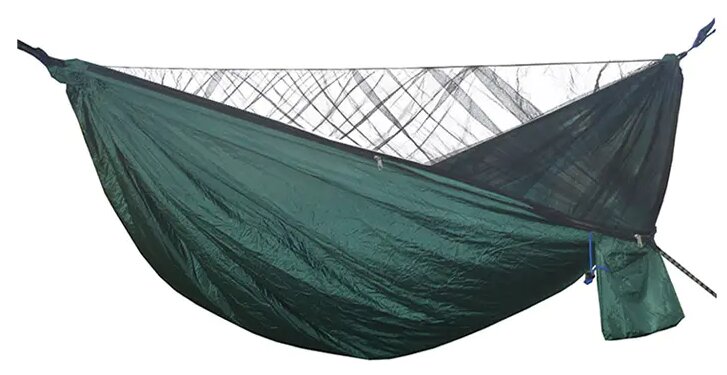
Camping Hammocks can turn a simple outdoor break into a peaceful moment of rest. But its comfort depends as much on where it is hung as on its fabric or suspension. The right placement affects stability, support, and even the overall experience of the surrounding environment.
Several factors quietly shape the success of a hammock setup:
- Comfort and ease of entry
- Stability under uneven weight
- Adaptation to environmental conditions
Even small changes in height or anchor selection can change how a hammock feels. Outdoor enthusiasts quickly notice differences in sway, tension, and surface feel depending on where the hammock is set up.
For suppliers, understanding these placement factors is useful. A Hammock Supplier observing patterns in usage can adjust materials, suspension lengths, and instructions to better match typical outdoor environments.
Environmental Considerations for Hanging Camping Hammocks
Not all outdoor spots are equally suitable. The terrain, nearby obstacles, and environmental conditions all influence hammock performance.
Terrain and Surface
- Flat or gently sloping ground usually supports easier suspension.
- Uneven terrain may require careful height adjustment or angled setup.
- Natural depressions can influence how the hammock swings.
Obstacles
- Nearby branches, rocks, or roots may interfere with setup.
- Open spaces with no anchors require additional support or portable stands.
- Overhanging objects can block airflow or collect debris over time.
Weather and Exposure
- Wind direction can affect how the hammock swings.
- Moisture from fog, dew, or light rain can linger on fabric if airflow is poor.
- Shade and sunlight change the warmth and comfort during use.
Noise and Privacy
- Locations with gentle natural sound may enhance the resting experience.
- Proximity to water or wildlife can influence calmness or disturbance.
- Secluded spots tend to feel more secure and relaxing.
Structural Supports: What to Look For
Anchor points are the foundation of any hammock setup. Choosing the right supports ensures stability and reduces stress on the fabric.
Trees, Posts, and Man-Made Structures
- Trees with firm trunks and minimal movement under load are ideal.
- Posts or poles can serve as alternatives in open areas.
- Bridges or fences may work, but inspection for strength and damage is critical.
Spacing and Strength Requirements
- Distance between anchors influences suspension angle and sag.
- Anchors must support dynamic load without risk of bending or breakage.
- Rough or thin surfaces can wear out suspension points faster.
Adjustments for Uneven Ground
- Minor height adjustments at one end can balance uneven terrain.
- Portable stands help in areas where natural anchors are unsuitable.
- Even tension across the hammock prevents slippage and material stress.
Optimal Height and Angle for Hammock Setup
The way a hammock hangs affects both comfort and durability. Height and angle influence how weight is distributed across the fabric.
Ideal Height
- The middle point should allow the user to sit and lie down comfortably.
- Too high creates difficulty getting in and out safely.
- Too low may cause rubbing or touch the ground under weight.
Suspension Angle
- A gentle sag improves comfort and reduces stress on suspension cords.
- Steeper angles can increase pressure on anchor points and fabric edges.
- Adjusting angles subtly changes sway and body support.
Practical Considerations
- Repeated setup may require a slightly lower default height for ease of adjustment.
- Angle and height can be tweaked based on personal preference or multiple users.
- Suspension flexibility helps adapt to uneven anchor points.
Safety and Stability Considerations
Safety is intertwined with placement and material behavior. Proper evaluation prevents accidents and prolongs hammock life.
Anchor Load Evaluation
- Each anchor should support full weight without shifting.
- Weak points in bark, posts, or fences may compromise stability.
Hazard Avoidance
- Avoid loose branches, sharp rocks, or sloped areas that could cause tipping.
- Check overhead clearance to prevent collisions during entry or exit.
Material and Suspension Integrity
- Ropes, straps, and carabiners should remain smooth and undamaged.
- Knots or tension adjustments should hold consistently under weight.
Routine Checks
- Inspect anchors and suspension points before each use.
- Replace worn materials promptly to maintain safety.
- Environmental changes, like soil erosion or tree growth, may require adjustments.
Influence of Surroundings on Comfort and Experience
Placement affects more than just stability. Surroundings influence airflow, temperature, and the overall feel of rest.
- Shade and sunlight determine warmth and glare.
- Air circulation prevents dampness and helps cooling.
- A scenic view enhances relaxation without affecting stability.
- Nearby activity or wildlife can subtly impact how safe and calm a location feels.
| Factor | Influence on Hammock Use | Suggested Adjustment |
|---|---|---|
| Shade | Reduces heat, protects fabric | Adjust orientation or time of day |
| Sunlight | Warms surface, may fade fabric | Use partial shade or portable cover |
| Wind | Increases sway, may cause debris contact | Angle hammock or use windbreak |
| Moisture | Can linger on surface, affects comfort | Improve ventilation or choose higher spot |
| Terrain unevenness | Alters suspension tension | Adjust anchor height or use stand |
Choosing Multi-Environment Locations
Some places simply hold up better when the weather turns or the season shifts. Picking spots that can handle a range of conditions makes Camping Hammocks far more useful day to day.
A few things tend to matter most:
- locations that stay reasonably steady even when a light breeze picks up or dew settles in
- areas comfortable enough for a quick twenty-minute break yet solid for a full afternoon nap
- spots that give you both reasonable access and a decent amount of quiet
- positions where small changes to height or angle still feel natural
When the site works across different moods of the day, you spend less time re-tying and more time resting. A gentle slope between two well-spaced trees, for instance, often stays practical whether the sun is high or clouds have moved in, and still leaves enough clearance for the natural swing.
Considerations from a Hammock Supplier Perspective
Anyone who deals with Camping Hammocks in volume ends up seeing the same patterns over and over. Customers mention the same frustrations; field photos and returned gear tell the rest of the story. Those real-world notes quietly shape what ends up in the next batch of straps, webbing, and instructions.
Suppliers commonly notice:
- when anchors sit too close together the sag becomes extreme and the fabric takes unnecessary stress
- when people keep tension uneven from one hang to the next the stitching and buckles wear noticeably faster
- lightweight portable setups demand thoughtful placement or they start feeling tippy
- even a few extra inches of strap adjustment can turn a marginal spot into something that works all day
These recurring observations feed straight back into how suspension components are spec'd and how setup suggestions are written. The aim is simple: make the gear last longer and behave more predictably once it leaves the warehouse.
Trends and Observations in Hammock Placement
Lately the direction has been toward setups that flex without much fuss. More users want gear and techniques that move with the landscape instead of fighting it.
Patterns that keep showing up include:
- stronger interest in hybrid systems — straps that work on trees one weekend, quick stands the next
- a clear lean toward hanging the hammock a bit lower than older advice suggested, mainly for easier entry and exit
- deliberate choice of sites that mix sun, shade, and moving air so the temperature stays tolerable longer
- more attention paid to natural features that cut wind or steady the ground underfoot
Suppliers see these shifts reflected in what people ask for and what they complain about when something doesn't behave. Clearer instructions and slightly more forgiving materials help close the gap between expectation and reality.
Where you hang Camping Hammocks quietly colors the entire experience. The way the fabric cradles weight, how much it rocks, the sounds and temperature that reach you — all of it ties back to the spot you chose.
Placement influences:
- how evenly pressure spreads across your back and legs
- how secure and predictable the whole system feels once you're in
- the degree of calm, privacy, and simple connection to the place around you
Tiny decisions — raising one end a hand's width, stepping ten paces toward better shade, turning the hang so the breeze comes from behind instead of the side — often change the mood more than anyone expects at first.
From the supply side, these small but real differences matter. They guide choices about webbing width, buckle strength, even the wording on a setup card. Feedback from actual use helps spot weak points early and points toward adjustments that make the next version behave better in the field.
In the end, outdoor rest comes down to three things working together: the gear itself, the place it meets the world, and the person lying in it. Paying attention to placement is one of the simplest ways to bring those three pieces into better harmony.
In professional manufacturing and distribution of outdoor leisure equipment, these practical nuances receive careful consideration throughout design and supply decisions, as reflected in the approach associated with Zhejiang Mansen Leisure Products Co., Ltd.
