en
en  English
 Español
 русский
 Deutsch
 عربى
عربى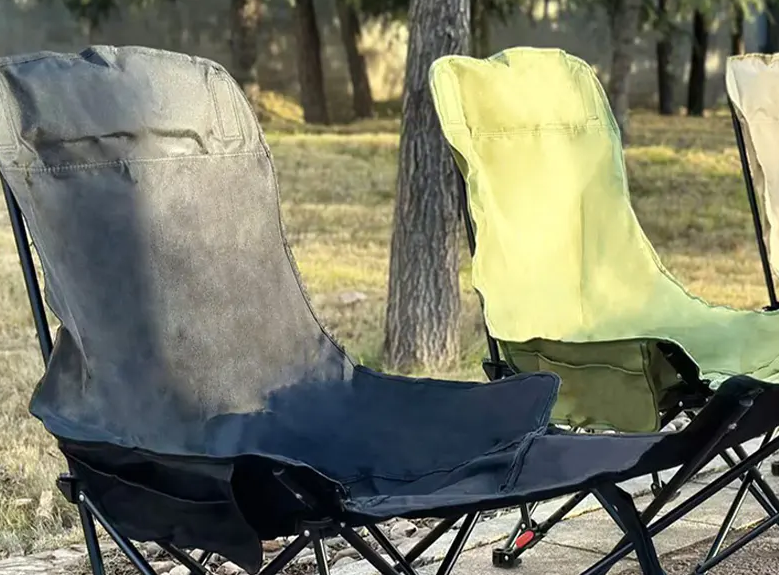
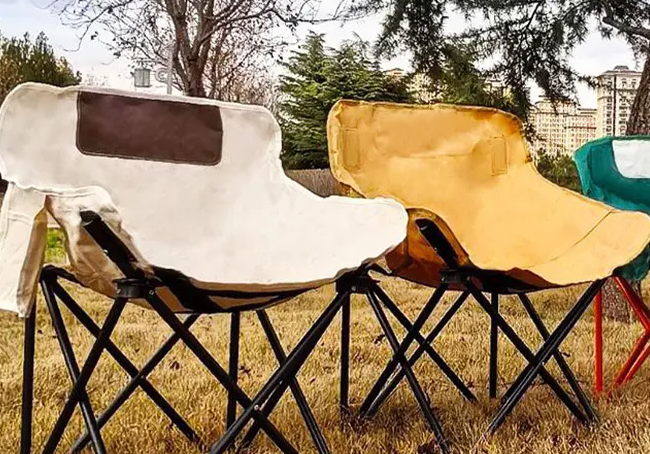
Low-profile Beach Chair sit closer to the ground, offering one kind of experience, while taller chairs raise the seat, changing posture and interaction with the surroundings. Each has advantages and limitations depending on terrain, user needs, and outdoor conditions.Zhejiang Mansen Leisure Products Co., Ltd. provides insight into different Beach Chair designs and how their height affects practical use.
Chair height impacts comfort, stability, and portability. Users may prefer a lower chair for relaxed lounging, or a taller chair for easier entry and better visibility. Observing these differences helps manufacturers and Wholesale Beach Chair suppliers make informed design and inventory choices.
Structural Differences Between Low-Profile and Tall Beach Chairs
Low-profile Beach Chairs have frames close to the surface. Lightweight aluminum or steel frames are common, paired with flexible fabric seats. Taller models elevate the seating, requiring additional bracing and cross-support. The frame shape affects center of gravity, stability, and how the chair responds on sand, grass, or uneven ground.
- Low-profile chairs usually have shorter legs, reducing tipping risk on soft surfaces.
- Taller chairs need reinforced frames or crossbars to stay stable.
- Frame materials influence weight distribution; aluminum is light, steel stronger but heavier.
| Feature | Low-Profile Chair | Tall Chair |
|---|---|---|
| Seat Height | Near ground | Elevated |
| Stability on Soft Surfaces | High | Moderate |
| Ease of Entry | Slight bending needed | Easier entry |
| Portability | Lightweight, compact | Slightly heavier, bulkier |
| Frame Material | Aluminum, steel | Reinforced steel or aluminum |
Comfort and Ergonomics Considerations
Seat height affects posture. Low-profile chairs let legs rest naturally on the ground, which can reduce strain over time. Backrest angle, fabric tension, and seat width all influence comfort. Mesh or breathable fabrics improve airflow, keeping the seat cooler outdoors.
Tall chairs raise the seat, often making entry easier, especially for users with mobility needs. Adjustable backrests let users find a comfortable angle.
Important points to consider:
- Seat width and depth for thigh support.
- Backrest angle for natural spine alignment.
- Fabric tension for gentle support.
- Space under the chair for cooling and airflow.
Low-profile chairs often suit lounging. Taller chairs may be better for casual seating where users get up and down frequently.
Stability and Safety Factors
Chair height is linked to balance. Low-profile chairs sit near the ground, making tipping less likely on sand or uneven terrain. Taller chairs offer a raised view, but the higher center of gravity can create instability if the frame is not strong or the surface is soft.
Other stability considerations:
- Wider leg spacing increases balance.
- Crossbars or supports help taller chairs.
- Surface type affects tipping risk.
- Weight distribution matters; closer to ground = more stability.
Safety also relates to frame strength and secure fabric attachment. Low-profile chairs are forgiving in varied terrain, while tall chairs need careful design to remain stable.
Portability and Storage
Low-profile chairs fold compactly and are lighter. Shorter legs and simple frames make them easier to carry across sand or uneven ground. Tall chairs are bulkier, heavier, and need careful folding. For Wholesale Beach Chair suppliers, packaging efficiency matters—smaller, lighter units are easier to ship in bulk.
Points to consider:
- Folded size for trunk or storage space.
- Weight for carrying over sand or grass.
- Ease of folding/unfolding for outdoor rentals.
- Bulk shipment efficiency for Wholesale Beach Chair distributors.
Frequent movers often prefer low-profile chairs. Taller chairs are useful where transport is easier or storage space is less limited.
Environmental and Usage Conditions
The environment where a Beach Chair is placed can make a big difference in comfort and stability. Low-profile chairs sit closer to the ground, which makes them more stable on soft sand or uneven grassy spots. Taller chairs raise the seat, which can feel less steady on loose or sloped surfaces.
- On sandy beaches, a low-profile chair adapts well to shifting surfaces.
- Rocky or uneven areas may challenge taller chairs, unless frames are reinforced.
- Windy conditions favor low-profile designs because the center of gravity is lower.
- Seat height also influences how much sun reaches the user; lower chairs may offer natural shading from nearby objects.
Airflow is another factor. Low chairs allow breezes to pass underneath, helping users stay cool. Taller chairs may catch more wind, which can feel pleasant in hot weather but can also affect balance.
Adaptability Across Different User Groups
Different users have different needs. Height and mobility affect which chair feels more practical.
- Children and shorter adults usually find low-profile chairs easier to get in and out of.
- Taller adults or those preferring higher seating may choose tall chairs for comfort.
- Low-profile chairs often work well in family settings where children move around.
- Tall chairs suit older adults or users who don't want to bend too far when sitting or standing.
For Wholesale Beach Chair suppliers, having both types in stock helps meet these diverse needs. Resorts, parks, and campsites often need a mix to cater to all users.
Material and Construction Impacts on Practicality
Materials play a key role in both comfort and durability. Frame and fabric choices interact with chair height to affect usability.
- Lightweight aluminum or steel works well for low-profile chairs, keeping them easy to carry.
- Tall chairs often need reinforced frames to prevent wobbling.
- Fabric matters: mesh, canvas, or synthetic fabrics provide airflow and dry quickly.
- Stitching, rivets, and folding mechanisms must handle weight without sagging.
Durable chairs reduce maintenance concerns and last longer, which is important for both individual buyers and Wholesale Beach Chair suppliers.
Practical Scenarios Favoring Low-Profile Chairs
Low-profile chairs excel in certain settings:
- Soft, sandy beaches where stability matters most.
- Windy areas where a lower center of gravity prevents tipping.
- Locations that require frequent moving or packing, as they are lighter.
- Family-friendly environments where children can safely enter and exit.
They are also convenient for casual lounging and events where many chairs are placed close together.
Practical Scenarios Favoring Tall Chairs
Tall chairs may be preferred in situations like:
- Elevated views over the surroundings, such as at a boardwalk or grassy hill.
- Users who want easier entry without bending too far.
- Multi-purpose use, combining sitting, reclining, or using a small side table.
- Firm or level surfaces where stability is less of a concern.
While they may be less stable on soft ground, tall chairs offer comfort and visibility in controlled settings.
Industry and Wholesale Considerations
Wholesale Beach Chair suppliers consider both low and tall models to satisfy market demand. Observations include:
- Low-profile chairs for beach resorts and outdoor rental operations.
- Tall chairs for home patios, decks, and leisure areas with firm surfaces.
- Balancing material cost, portability, and storage efficiency.
- Packaging strategies that optimize shipping space and reduce handling challenges.
Customer preferences and environmental factors guide which products are prioritized for stock.
Decision-Making Factors for Buyers
Choosing between low-profile and tall chairs involves several considerations:
- Terrain: soft sand, grassy fields, or uneven areas.
- User height, mobility, and comfort needs.
- Portability and storage: weight, folded size, and ease of transport.
- Intended use: lounging, socializing, or casual outdoor dining.
Practical decisions are best made by balancing comfort, stability, and convenience rather than focusing solely on height.
Low-profile and tall Beach Chair each have distinct advantages. Low-profile designs offer stability, portability, and adaptability to soft or uneven surfaces. Tall chairs provide raised seating, easier entry, and improved visibility in certain environments.
Selecting a chair depends on terrain, user needs, and intended use. Wholesale Beach Chair suppliers often offer a mix of heights to serve varied conditions and user preferences. Considering environmental factors, ergonomics, and frame design ensures chairs provide comfort, safety, and long-term usability.