

 en
en  English
 Español
 русский
 Deutsch
 عربى
عربى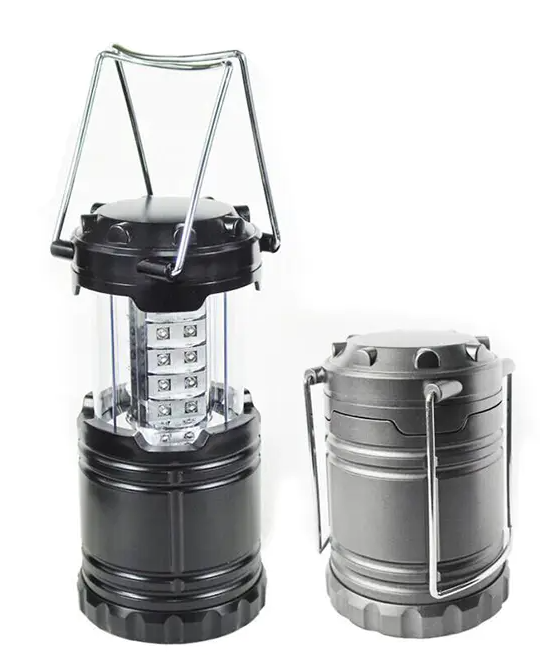
The Role of Lighting in Campsites
Evening arrives quickly in outdoor environments. Once daylight fades, the atmosphere of a campsite changes almost immediately. Tasks that seemed simple during the day—finding gear, preparing food, walking between tents—suddenly require careful attention. In these moments, a well‑placed Camping Lamp becomes more than just a light source. It helps shape the entire experience of the camp.
Outdoor lighting does not only provide visibility. It also influences how people move, communicate, and relax around the campsite. When light is evenly distributed, campers can move safely and comfortably. When it is uneven, shadows appear in unexpected places, making simple activities harder than they should be.
Good campsite lighting usually supports several everyday needs at the same time:
- Clear visibility for practical tasks
- Comfortable light for social spaces
- Safe movement between tents and shared areas
- A calm environment that does not feel overly bright
One detail often overlooked is balance. Too little light leaves areas difficult to see. Too much brightness, especially concentrated in one place, can create glare and harsh contrast. Proper placement of a Camping Lamp helps create a softer, more usable glow across the camp.
In many outdoor setups, lighting becomes part of the routine of camp life. Someone prepares food while others organize equipment. A few people sit nearby talking quietly. The right lighting supports all of these activities without drawing attention to itself. It simply works.
Zhejiang Mansen Leisure Products Co., Ltd. appears in discussions of outdoor gear where practical campsite equipment is considered, including lighting tools designed for steady illumination in open environments.
Understanding Light Distribution Outdoors
Light behaves differently outdoors than it does inside buildings. Indoors, walls and ceilings reflect light back into the room, helping it spread evenly. At a campsite, open air absorbs and disperses light quickly. Without careful placement, large areas may remain dim even when a lamp appears bright.
A single Camping Lamp placed on the ground often creates a bright circle surrounded by darkness. Move the lamp higher, and the light spreads wider. Change the surface around it—grass, sand, tent fabric—and the brightness shifts again.
Several natural elements influence how light travels through a campsite:
- Open space allows light to spread farther but reduces intensity
- Tents and equipment create shadows that block illumination
- Tree branches and leaves break light into uneven patterns
- Ground texture can either absorb light or reflect it gently
Another factor is the difference between focused and diffused light. Focused light shines strongly in one direction. Diffused light spreads outward, softening shadows and covering a broader area.
For campsite lighting, diffused illumination often feels more comfortable. Instead of a strong beam pointing at one spot, light spreads gradually across the surroundings. This helps campers see the whole space rather than just one small area.
Still, both types of light have their uses. Focused light works well for detailed tasks. Diffused light works better for general visibility.
Key Considerations for Placement
Choosing where to place a Camping Lamp often depends on the shape and layout of the campsite itself. No two camps look exactly the same. A flat open area behaves differently from a forest clearing or a lakeside spot surrounded by rocks.
Before placing any lamp, it helps to look at a few practical details.
Terrain
Ground conditions matter more than people expect.
- Uneven surfaces can tilt lamps and change the direction of light
- Small hills or dips can hide parts of the camp in shadow
- Large rocks or logs may block illumination
Sometimes moving a lamp just a short distance changes the entire lighting pattern.
Camp Activities
Different areas of the campsite serve different purposes. Each activity may need a slightly different lighting style.
Common examples include:
- Cooking areas that require steady, focused light
- Social spaces where softer light feels more comfortable
- Tent entrances where visibility improves safety
- Gear storage spots that benefit from clear illumination
Instead of relying on one strong light source, many campers prefer spreading light gently across these zones.
Environmental Conditions
Outdoor lighting must also adapt to nature.
Wind may cause hanging lamps to sway. Moisture may require elevated placement. Nearby water can reflect light in unexpected ways. Even the position of the moon can slightly affect how bright the camp appears.
A thoughtful placement strategy takes these small details into account. The goal is not just brightness. It is clarity and comfort.
Central vs Peripheral Placement
One of the most common campsite lighting choices involves deciding whether the Camping Lamp should sit at the center of the camp or along its edges.
A central lamp works as a shared source of light. When placed in the middle of the campsite, it spreads illumination outward in all directions. This setup often works well when:
- Campers gather around a shared table
- Several tents surround a common area
- Social activities take place near the center
The result is a gentle circle of light that keeps everyone within view.
However, relying on a single central lamp may leave outer areas darker than expected. That is where peripheral lighting becomes useful.
Peripheral lights sit around the edges of the camp. Instead of lighting the whole area, they highlight specific locations such as:
- Walkways between tents
- Cooking spaces
- Equipment storage areas
- Entry points to sleeping tents
Combining both approaches often works best. A central Camping Lamp provides overall illumination, while smaller Camping Lamp Lanterns around the edges remove shadows and guide movement.
This layered lighting arrangement creates a more natural balance. Bright where it needs to be. Soft where it should remain calm.
Height and Mounting Strategies
The height of a lamp can completely change how light spreads across the campsite. A lamp placed low on the ground produces strong light in a small area. Raise the same lamp higher, and the light reaches farther.
Simple adjustments often make a noticeable difference.
Common mounting methods include:
Hanging Placement
Suspending a Camping Lamp from a tree branch or tent hook allows light to spread outward more evenly. When light shines downward from above, shadows appear softer and movement around the camp becomes easier.
This method works especially well for:
- Central gathering areas
- Cooking spaces
- Shared tables
Table or Ground Placement
Standing lamps on a stable surface gives focused illumination for specific tasks. A cooking table, storage crate, or flat rock can serve as a base.
This placement is useful when:
- Preparing meals
- Organizing equipment
- Reading or working on small tasks
Adjustable Height
Some setups allow the lamp to be raised or lowered depending on the situation. A slightly higher position can widen the coverage area, while a lower position concentrates the light where needed.
Small adjustments. Big difference.
Orientation and Direction
Even when a Camping Lamp is placed in a good location, the direction of the light still matters. Lamps aimed too directly at eye level can cause glare. Light pointed too far downward may create strong shadows.
A few simple orientation habits help improve visibility:
- Angle light slightly downward to avoid harsh brightness
- Allow light to reflect off tent fabric or nearby surfaces
- Avoid pointing lamps directly toward seating areas
Reflective surfaces sometimes assist lighting without additional power. Light-colored tents, cooking tools, or even smooth ground surfaces can gently bounce light around the camp.
The goal is not extreme brightness. Instead, the aim is steady illumination that feels comfortable for the eyes.
Multi Lamp Coordination
Large campsites rarely rely on only one light. Several Camping Lamp Lanterns working together often produce the most balanced result.
Instead of clustering lamps in one location, spreading them across the campsite creates smoother coverage.
A practical lighting arrangement might look like this:
| Camp Area | Lamp Placement | Lighting Purpose |
|---|---|---|
| Central gathering space | Hanging lantern above table | Even ambient light |
| Cooking area | Lantern near preparation surface | Clear task lighting |
| Tent entrances | Small lantern beside doorway | Safe entry and exit |
| Walk paths | Low lanterns spaced along route | Gentle guidance at night |
| Equipment corner | Clip lantern above gear | Easy visibility for tools |
Spacing lamps carefully prevents two common problems:
- overly bright spots where lights overlap
- dark zones where light does not reach
Portable lanterns can also move around the camp when needed. Someone heading to another tent, checking gear, or walking a short distance may temporarily carry a light and return it later.
Safety Considerations
Lighting should improve safety, not introduce new risks. Proper placement of a Camping Lamp helps prevent accidents around the campsite.
A few simple habits make a difference:
- Place lamps on stable surfaces to prevent tipping
- Keep lights away from areas where people walk frequently
- Avoid placing bright lamps directly beside sleeping tents
It is also helpful to keep light sources protected from moisture or sudden movement. A securely hung lantern remains steady even when wind passes through the campsite.
Children and pets moving through the area may also interact with lighting equipment. Keeping lamps slightly elevated or out of direct traffic helps prevent accidental contact.
Safety rarely requires complicated solutions. Just thoughtful placement.
Energy Management and Sustainability
Lighting also affects how long power sources last during a trip. Careful placement allows a Camping Lamp to illuminate a wider space without needing extra lamps or frequent battery changes.
A few practical approaches help conserve energy:
- Position lamps higher so light spreads farther
- Use several low‑intensity lights instead of one overly bright source
- Turn off lamps in areas that are not in use
Some camps use a primary lamp for general illumination and smaller lanterns for temporary tasks. When one area no longer needs light, that lantern can simply be moved elsewhere.
Simple adjustments like these allow lighting equipment to last longer throughout the night.
Camp Atmosphere and Visual Comfort
Light does more than make a campsite visible. It quietly shapes how the whole place feels. A harsh glare can make people uncomfortable, even if the area is bright enough to see. Soft, evenly spread illumination feels very different. It invites people to sit down, relax, and talk.
When lighting around a campsite is balanced, everyday activities become easier. Cooking, organizing gear, or simply walking between tents. No need to strain the eyes or step carefully through dark corners.
Some practical considerations help create a comfortable atmosphere.
- Layered lighting: A central Camping Lamp can provide general illumination. Smaller Camping Lamp Lanterns placed near pathways or corners help fill the darker spaces. Together they create a gradual transition of light rather than one bright spot surrounded by darkness.
- Warm versus cool tones: Warm light often feels more welcoming in shared areas where people gather. Cooler light sometimes works better when attention to detail is needed, such as reading instructions or preparing food.
- Adjustable intensity: Lamps with adjustable brightness make a difference. As the evening becomes quieter, lower light often feels more natural.
Eyes adjust differently in outdoor spaces. When bright light sits right next to deep shadows, the contrast can feel uncomfortable. Gentle, even illumination reduces that problem and allows campers to move around the campsite without constantly adjusting their vision.
Environmental Awareness
Lighting outdoors always affects more than the campsite itself. Too much brightness can disturb wildlife. Light aimed into open sky may also reduce the calm feeling that many campers enjoy at night.
Thoughtful placement of a Camping Lamp keeps the campsite functional while still respecting the natural environment.
A few simple guidelines often help.
- Direct light downward whenever possible. It reduces glare and keeps light where it is actually needed.
- Avoid extremely bright settings unless necessary. Moderate light usually works well enough for most tasks.
- Use lamps with shields or covers that help guide light toward the ground rather than spreading in every direction.
Even in campsites with many people, it is still possible to keep lighting gentle and controlled. Camping Lamp Lanterns with diffusers or adjustable shades make it easier to direct illumination while maintaining visibility.
Sometimes less light simply feels better.
Common Mistakes to Avoid
Lighting mistakes happen often, even among experienced campers. Small details in lamp placement can create large differences in how a campsite looks and functions.
Several problems appear again and again.
- Overcrowding lamps: Placing too many lights in the same area often creates glare instead of better visibility. The surrounding areas may remain dark.
- Neglecting uneven ground: When a lamp stands on sloped or unstable ground, it may tilt slightly. That small change can shift the direction of light and leave parts of the campsite in shadow.
- Ignoring obstacles: Tents, rocks, logs, and stacked gear can block light unexpectedly. Even a small obstruction may create a dim patch along a walking path.
- Relying on a single light source: A central Camping Lamp can brighten the middle of a campsite. But edges often remain darker. Adding several Camping Lamp Lanterns around the perimeter usually improves coverage.
Avoiding these common mistakes leads to a campsite that feels safer and easier to navigate after dark.
Innovations in Camping Lamp Design
Lighting equipment used for camping has gradually become more flexible and practical. Many Camping Lamp Lanterns now include features that make placement simpler and light distribution more comfortable.
Several improvements appear frequently in modern designs.
- Diffused covers and adjustable angles allow light to spread more evenly. Harsh glare becomes less likely.
- Compact portable designs make lamps easier to move. A lantern used for cooking earlier in the evening might later illuminate a small gathering area.
- Rechargeable or multi‑power options give campers more flexibility. Some lamps can run on rechargeable batteries, others accept external power sources.
- Modular lighting systems allow multiple lamps to work together. Campers can add or remove lights depending on how large the campsite is.
These changes do not necessarily make camping more complicated. In many cases they simply make it easier to adjust lighting as conditions change during the night.
Case-Based Campsite Scenarios
Different campsite layouts call for different lighting arrangements. A setup that works well for one group might not work the same way somewhere else.
Consider a few typical situations.
Small group campsite
A small group often needs only simple lighting.
- One central Camping Lamp hanging above a table or shared area may provide most of the illumination.
- One or two portable Camping Lamp Lanterns can sit near tent entrances or be moved when needed.
This arrangement is easy to set up. Light spreads naturally without requiring many lamps.
Large group campsite
A larger campsite usually benefits from several light sources.
- Central lamps brighten shared spaces where people gather.
- Additional Camping Lamp Lanterns may line pathways or sit near individual tents.
Spacing becomes important here. If lamps are too close together, brightness overlaps. Too far apart, and dark patches appear.
Remote wilderness campsite
In remote areas, energy management becomes more important.
- Lamps may be placed slightly higher to increase coverage.
- Reflective surfaces such as light-colored tent fabric sometimes help spread illumination.
- Portable lanterns may move with campers when tasks shift from one area to another.
Each situation highlights the same idea. Good lighting depends not only on equipment, but also on thoughtful placement.
Integrating Light with Camp Activities
Lighting works best when it supports the activities happening around the campsite. Different tasks often need slightly different types of illumination.
Cooking and food preparation
Food preparation usually requires clear visibility. A Camping Lamp placed above a table or cooking surface helps reduce shadows created by hands or cookware.
Social spaces
When people gather to talk or relax, softer lighting feels more comfortable. Camping Lamp Lanterns with diffusers can create a gentle glow without overwhelming brightness.
Reading or detailed tasks
A small portable lamp placed close to the work area often works best. It provides enough light for detail without disturbing others nearby.
Pathways
Walking routes between tents benefit from subtle lighting. Low lamps or small lanterns spaced along the path make movement safer after dark.
When lighting matches the activities taking place, the campsite feels organized and easy to use.
Maintenance and Longevity of Lighting Equipment
Even simple lighting equipment benefits from regular attention. With a few basic habits, both Camping Lamp units and Camping Lamp Lanterns can continue working well over many trips.
Several small practices help maintain reliability.
- Check stability each evening. Lamps on tables or stakes should sit securely before night fully arrives.
- Clean lenses occasionally. Dust, moisture, or dirt can gradually reduce brightness.
- Store equipment carefully during transport. Protection from heavy pressure or sharp objects prevents damage.
- Rotate usage when multiple lamps are available. Switching positions occasionally can balance battery use.
Routine care takes only a few moments but keeps lighting equipment dependable.
Achieving Balanced Illumination
Balanced lighting rarely comes from a single source. Instead, it usually develops from a combination of thoughtful placement and practical equipment.
A central Camping Lamp often provides the main illumination. Around the edges, Camping Lamp Lanterns help fill darker areas and highlight important spaces such as pathways or tent entrances.
Small adjustments often make a big difference. Raising a lamp slightly higher. Turning it a few degrees. Moving it a short distance to avoid an obstacle.
Gradually the campsite becomes evenly lit. Not overly bright. Not too dim.
When lighting works well, activities flow naturally. People can cook, organize gear, or simply sit together and talk without worrying about where the light falls.
Sometimes the best lighting setup is the one that goes almost unnoticed. Quietly doing its job while the campsite settles into a calm evening atmosphere.
