

 en
en  English
 Español
 русский
 Deutsch
 عربى
عربى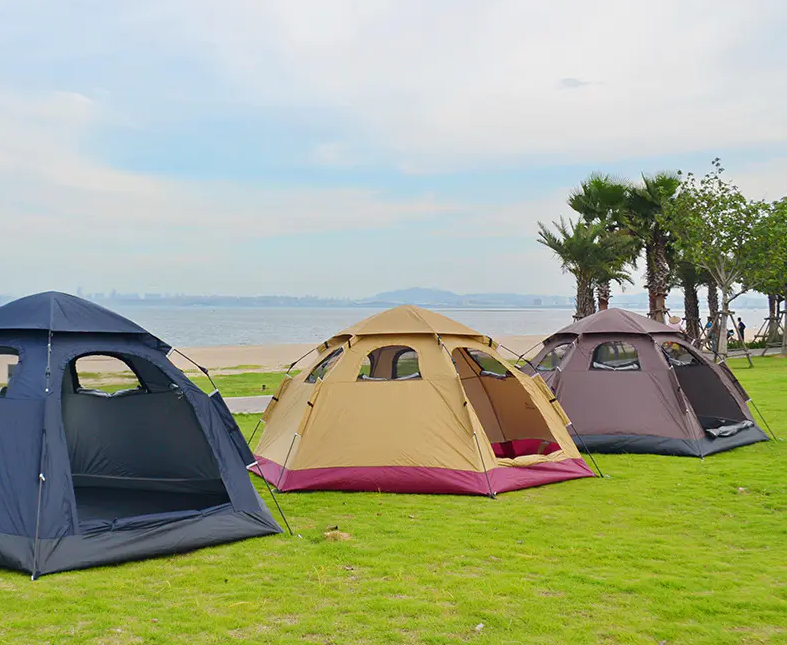
Why Does Color Matter When Choosing A Camping Tent For Family Trips
Color is often treated as a secondary detail when selecting a Camping Tent, yet for family travel it plays a structural role in comfort, safety, and long-term satisfaction. In shared outdoor living, visual atmosphere affects how people feel within a temporary space. A tent becomes more than shelter; it functions as a communal room where meals are prepared, conversations unfold, and rest is taken. The tone of that space influences mood in subtle but persistent ways.
Families typically spend extended periods around their shelter. A harsh or overly dark exterior can alter how natural light filters inside, while very bright tones may intensify glare during peak daylight hours. These environmental interactions shape daily rhythm, particularly when children are present. A balanced color can soften light without creating visual fatigue.
Beyond atmosphere, color also contributes to orientation. In crowded campsites, the ability to quickly identify one's shelter reduces confusion. This becomes especially relevant when multiple structures share similar shapes. The choice of tone can therefore support both psychological comfort and spatial clarity.
From a production standpoint, color decisions connect household preferences with upstream planning. A Camping Tent Supplier must anticipate not only aesthetic shifts but also practical considerations such as fabric response and consistency across batches. The dialogue between user experience and manufacturing stability begins with something as simple as shade selection.
How Does Camping Tent Color Influence Comfort In Different Weather Conditions
Outdoor environments are rarely static. Sunlight intensity, cloud cover, humidity, and wind all influence how a tent performs. Color interacts directly with these variables.
Darker surfaces tend to absorb more heat under direct sun. In colder climates, this may assist in retaining warmth during early mornings or evenings. However, in hot regions, excessive heat absorption can raise interior temperature and increase reliance on ventilation design. Lighter tones, by contrast, reflect more sunlight and may feel less oppressive during midday exposure.
Cloudy weather introduces a different dimension. Under diffused light, very pale shades can appear muted or dull, while deeper earth tones often maintain visual presence without appearing heavy. For families who travel across varied terrain, mid-range colors often provide a flexible compromise.
Seasonal use also matters. During transitional weather, when temperatures fluctuate between cool mornings and warm afternoons, extreme shades may amplify discomfort. Neutral or moderately saturated tones tend to moderate visual perception, helping interior light feel stable rather than abrupt.
Ventilation structures, mesh panels, and rainflies all influence airflow and shade distribution. Color does not operate independently; it works alongside fabric density and structural design. When these elements align thoughtfully, the tent becomes a more adaptable living space.
Which Camping Tent Colors Work Better For Various Outdoor Landscapes
Outdoor settings vary widely, and visual harmony can enhance the overall experience. In forested areas, subdued greens, muted browns, and soft grays tend to blend naturally with surrounding foliage. Such tones reduce visual disruption and can create a sense of calm continuity between shelter and environment.
Open beaches present different challenges. Sand, sea, and sky form a high-contrast backdrop. Light beige or soft blue shades often complement these surroundings while maintaining visibility. Very dark tones, in contrast, may absorb intense sunlight and stand out sharply against pale terrain.
Mountain landscapes introduce rugged textures and shifting shadows. In these contexts, mid-tone colors frequently balance visibility with integration. Overly bright shades may feel visually intrusive, while extremely dark fabrics can dominate the scenery.
Grassland and open park settings require another consideration: distance recognition. In expansive fields, subtle tones may blend too thoroughly, making orientation difficult from afar. Families traveling with children often weigh the value of gentle harmony against the practicality of quick identification.
Choosing a suitable tone therefore involves assessing where and how the shelter will most often be used. Rather than selecting purely by preference, thoughtful alignment with natural context can improve both functionality and aesthetic coherence.
Why Should Families Consider Visibility And Safety When Selecting Camping Tent Color
Safety in shared outdoor spaces relies partly on visibility. Large campgrounds, festivals, or community parks often host many similar structures. In such environments, distinctive but not excessively bright tones can assist in locating one's base without drawing unnecessary attention.
For families with younger members, clear identification becomes particularly important. Children returning from nearby activities benefit from easily recognizable visual cues. A moderately distinctive color can shorten search time and reduce anxiety.
Nighttime introduces additional factors. Although artificial lighting plays a role, darker shades may become less visible in low light. Reflective elements and structural features support visibility, but base color still influences how the tent appears at dusk. Balanced mid-range hues often maintain presence without overwhelming the landscape.
Emergency scenarios, though rare, also highlight the importance of recognition. Quick orientation within a crowded area depends on memory of color and shape. When tone is neither overly common nor excessively unconventional, recall becomes simpler.
Color choice thus intersects with risk awareness in subtle ways. It does not replace structural safety features, yet it contributes to a layered approach to family preparedness.
How Does Camping Tent Color Affect Maintenance And Long Term Appearance
Outdoor travel inevitably exposes fabric to dust, soil, moisture, and ultraviolet light. The way these elements appear on the surface varies according to shade.
Very light tones may show dirt quickly, particularly in muddy conditions. While cleaning is possible, repeated washing can influence fabric texture over time. Extremely dark tones, on the other hand, may conceal minor stains but reveal fading more prominently after extended sun exposure.
Ultraviolet radiation gradually alters pigments. Balanced, moderate shades often age more evenly than extreme tones. Over years of use, subtle fading may appear less noticeable on mid-spectrum colors than on highly saturated fabrics.
Storage also plays a role. Repeated folding and compression create creases that catch light differently depending on tone. Some colors highlight these variations more than others. Families planning long-term use frequently consider how the tent will look not only during the first season but after multiple trips.
Maintenance concerns extend to replacement parts as well. When rainflies or accessory panels require substitution, color continuity becomes relevant. A Camping Tent Supplier must manage dye stability and batch consistency to ensure that future components align visually with earlier purchases.
What Role Does Material And Surface Finish Play In Camping Tent Color Performance
Fabric composition influences how color is perceived. The same shade may appear slightly different depending on weave density, coating, and surface treatment. Matte finishes diffuse light gently, often producing a softer appearance. Slightly reflective coatings can intensify brightness under direct sun.
Texture interacts with shadow. Ripstop patterns, for example, create subtle grid effects that shift under changing light conditions. These visual nuances may not be obvious at purchase but become more noticeable during prolonged use.
Dye absorption also varies by material type. Even without focusing on technical terminology, it is clear that some fabrics hold pigment more evenly than others. Uniformity contributes to a cleaner aesthetic and reduces patchiness.
For manufacturers, maintaining consistency across production runs requires attention to raw material sourcing and processing conditions. Even small variations can influence tone perception. Families may not consider these upstream factors directly, yet they experience the outcome through color stability and uniform appearance.
How Do Family Preferences And Age Differences Shape Camping Tent Color Decisions
Family members rarely see color the same way. Adults often think about durability, ease of cleaning, and long-term usability. Children notice bright or playful colors first. Both perspectives matter, especially when the tent is for multiple people.
Letting kids participate can make them feel included. They are more likely to take care of the tent if they helped pick it. But enthusiasm for flashy shades may need moderation. A color that works in the long term, comfortable for adults and still appealing to kids, is usually the best compromise.
Families often look at tents in the actual environment they will use them. Seeing a sample in sunlight or shade gives a clearer idea than just looking at it indoors. Context matters. A shade that feels right in one place may look very different elsewhere.
Why Is Consistency Important From A Camping Tent Supplier Perspective
Color consistency matters more than many realize. Small differences between batches can be noticed, especially when families buy more than one unit over time. A Camping Tent Supplier has to manage fabric, dyeing, and quality control carefully to keep all tents visually similar.
Consistency isn't just about looks. Even fading and dirt appearance matter. Families expect a tent to age evenly. Stable color makes care easier and ensures satisfaction when multiple tents are used together or replaced.
Suppliers who maintain reliable color output reduce complaints and help families trust the product. It is part of keeping long-term usability intact.
How Does Retail Presentation Influence Camping Tent Color Trends
How a tent looks online or in a store can affect decisions more than the actual shade. Lighting, background, and photography can make subtle tones appear different. Families may prefer a shade that looks natural in both pictures and outdoor use.
Retailers notice which colors get attention and which ones are overlooked. These insights influence what suppliers produce in future batches. The process is slow, usually small adjustments rather than sudden changes.
Families also consider how the tent coordinates with other gear. A neutral or subdued color may fit more easily with sleeping bags, chairs, and tarps. Practicality and aesthetics are both important.
Which Camping Tent Colors Adapt Better To Multi Season Family Travel
Some colors work well in all seasons. Lighter shades reflect sunlight and feel cooler in warm weather. Darker shades can feel cozier in cooler conditions. Mid-range tones usually handle both situations well.
Landscape matters too. Families traveling to beaches, forests, and open fields want a color that doesn't stand out too much but is still easy to spot. A flexible shade reduces worry about visibility and blending into the surroundings.
Durability of pigment also matters. A color that fades evenly after sunlight exposure or repeated cleaning keeps the tent looking consistent over multiple trips. Long-term stability is part of practical use.
| Tone Family | Summer Performance | Cooler-Season Behavior | Landscape Versatility | Maintenance Notes |
|---|---|---|---|---|
| Very Light (beige, pale gray, soft white) | Excellent heat reflection | Can feel stark or cold inside | Strong on beaches & open fields | Shows dirt quickly; frequent cleaning |
| Mid-Range (sage, khaki, medium gray) | Good balance of reflection & warmth | Holds moderate warmth at night | Works in forests, meadows, mixed terrain | Conceals light soil; ages evenly |
| Deeper (forest green, charcoal, dark taupe) | Absorbs heat; warmer interior | Retains warmth longer after sunset | Blends well in wooded & mountainous areas | Hides stains well; slower visible fade |
How Can Families Balance Personal Style And Practical Outdoor Needs
Choosing a color is a balance. Personal taste matters. But so does how the tent works in real conditions. A bright color may be fun but may show dirt quickly. A dull color might hide wear but feel bland. Families look for a middle ground.
Coordination with other gear helps. A tent that complements sleeping bags or chairs can make setup feel orderly. Even photography comes into play. A shade that looks natural in photos is often appreciated.
Most families find it useful to test how the color looks outdoors before buying. Indoor samples or pictures online do not always show the full picture. Seeing the tent in sunlight, shade, or near water helps confirm the choice.
Why Might Camping Tent Color Development Continue To Evolve In The Future
Colors for tents do not change overnight. Families' preferences evolve slowly. Shades inspired by nature—greens, browns, soft blues—remain relevant. Subtle updates appear in roof panels, accents, or reflective trims.
Sometimes color differences are functional. Panels with slightly different shades can help identify doors or ventilation areas without clashing visually. Suppliers usually adjust tones gradually rather than replacing palettes entirely.
Feedback from families, retailers, and suppliers all feed into small changes. Over time, these adjustments improve usability, maintain visual appeal, and keep production stable. The goal is to make a tent that looks good and works well, season after season.
Color matters more than people often realize. It affects comfort, visibility, maintenance, and overall satisfaction. Choosing a tent is not just about picking a favorite shade. It is about how that color works in real settings, across seasons, and for all family members.
Working with a Camping Tent Supplier helps families get a product that matches expectations. Consistent and durable color makes the tent practical and reliable. A thoughtful choice leads to better experiences outdoors, creating comfort, clarity, and enjoyment for everyone.
