

 en
en  English
 Español
 русский
 Deutsch
 عربى
عربى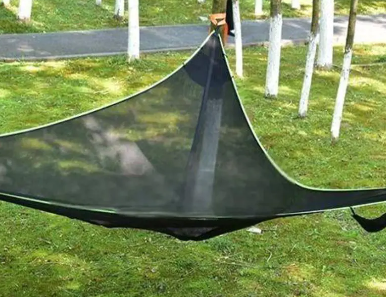
At music festivals, where people gather for extended periods in open spaces, Hammock have found a steady place among camping gear. These hanging beds offer a way to rest amid the activity, drawing attention from those who spend hours or days on site. The appeal often comes from how Hammock fit into the festival rhythm, providing a spot to relax between performances or during quieter moments. For attendees, the choice of a Hammock can tie into the overall event experience, blending with the need for something reliable yet unobtrusive.
Outdoor Camping Hammocks, in particular, align with the demands of such settings. They allow users to suspend themselves above the ground, avoiding direct contact with damp grass or uneven terrain. This setup creates a personal retreat within a shared environment, where space and convenience matter. As festival goers navigate crowded fields, the Hammock's ability to adapt becomes clear. It serves as more than just a seat; it turns into a focal point for downtime, conversations, or even light naps.
The connection between Hammock features and festival needs shows in practical ways. From the way they pack down to how they hold up through the day, these elements make Hammock a recurring choice. Attendees often look for options that handle the mix of movement and stillness that defines festivals. In this context, Hammock stand out by offering a balance that suits the outdoor lifestyle without complicating the trip. Zhejiang Mansen Leisure Products Co., Ltd. appears in discussions of such gear, where functionality meets everyday use.
Portability and Lightweight Construction
One clear reason festival goers choose Hammock is how easily they can be carried. When folded or rolled, they take up very little space and weigh almost nothing compared to other resting options. This makes them practical for anyone hauling gear across fields, through gates, or from distant parking areas.
The fabrics typically used are thin yet capable of supporting weight, so the entire Hammock compresses into a compact bundle. Many designs include a small drawstring sack or integrated pouch, allowing the Hammock and its straps to disappear into a backpack corner. This leaves plenty of room for other necessities like a jacket, snacks, or a phone charger.
During a festival, where people often change locations to follow the schedule or meet friends, the low weight becomes especially useful. A Hammock can be carried to a new area without much effort, then packed away just as quickly. Outdoor Camping Hammocks usually feature lightweight straps or cords that roll up neatly, keeping the whole package tidy and ready for the next move.
- Thin, tear-resistant materials that fold tightly
- Compact suspension straps or webbing
- Built-in storage pouches or stuff sacks
These aspects make Hammock a sensible choice for attendees who need to keep their load manageable while still having a reliable place to rest.
Comfort During Longer Sessions
Hammock offer a type of rest that many people find more comfortable than sitting directly on the ground or using a flat pad. The fabric forms a gentle curve that supports the body evenly, reducing pressure on any single spot. This even support helps ease tension after long hours of standing, walking, or dancing.
The material often contributes significantly to the comfort. Fabrics that let air move through prevent the user from feeling trapped in heat, even on warmer days. The slight swinging motion that happens naturally creates a soothing rhythm, which many find helpful for unwinding. Outdoor Camping Hammocks frequently use weaves that mold to the body's shape, providing a surface that feels supportive without being rigid.
Hammock can accommodate different body sizes and resting styles. Wider versions give space to stretch out completely, while reinforced sides help keep the occupant centered. Shifting from lying flat to sitting up takes almost no effort, which matches the changing needs of a festival day—sometimes deep rest, sometimes staying half-aware of the surroundings.
The shape also supports extended time without discomfort. A well-designed curve prevents excessive sinking in the middle, which helps maintain natural spinal alignment. In a setting where rest periods are valuable but often interrupted, this sustained comfort makes Hammock particularly appealing.
Durability in Outdoor Settings
Festival environments put gear through a variety of stresses—sunlight, occasional rain, wind, dust, and constant handling. Hammock that manage these conditions without quick wear gain preference among attendees who want equipment that lasts the whole event.
Many fabrics include treatments that cause water to bead up and roll off, so the Hammock stays usable after light showers. Strong seams and reinforced tie-off points handle the repeated tension of hanging and taking down. Outdoor Camping Hammocks are generally built with materials that resist fraying or tearing when pulled tight or rubbed against branches.
Prolonged sun exposure and gusts also test the construction. Fabrics that hold their integrity and color over time continue to function well. The flexible nature allows the Hammock to absorb wind movement instead of resisting it rigidly. Keeping the fabric off the ground further shields it from mud, grass, or abrasive surfaces.
- Surfaces that shed light moisture
- Reinforced attachment zones
- Materials that resist abrasion and repeated stress
Ease of Setup and Adjustment
Festival attendees generally favor gear that can be set up and taken down without much time or effort. Hammock meet this preference through very simple attachment methods—typically wrapping straps around a tree or post and securing them with a knot, clip, or buckle. The whole process usually takes only a minute, which is helpful when people want to settle quickly or move on to other activities.
Adjustments are just as easy. Lengthening or shortening the straps changes the height, angle, or tension to match personal preference. Outdoor Camping Hammocks often include smooth-running buckles or adjustable webbing that allow fine changes even after the Hammock is in use.
The ability to use different anchor points adds versatility. Trees of various thicknesses, fence rails, or portable frames can all work. This flexibility lets people select locations based on shade, proximity to others, or sightlines to the stage. If a spot turns out to be less ideal than expected, moving the Hammock is quick and straightforward.
In shared camping areas, the simple setup process means one person can hang their Hammock while others prepare food, organize gear, or chat. The lack of complicated parts or tools reduces frustration, making Hammock a low-effort option for rest in an otherwise busy setting.
Space Efficiency in Crowded Areas
Festival camping spaces tend to fill up quickly, with tents, equipment, and people occupying most of the available ground. Hammock solve part of this by moving the resting area completely off the surface. Rather than taking up a section of grass or soil, they make use of overhead space—attaching to trees, posts, or portable supports—and remain suspended above everything else. This leaves the ground free for foot traffic, gear storage, or group activities.
In densely arranged campsites this vertical approach stands out clearly. Someone can hang a Hammock between two trees and still have open space directly underneath for backpacks, footwear, or a small container. The area below stays usable, which proves helpful when moving around at dusk or during peak activity. Outdoor Camping Hammocks built with narrow profiles pack down small when not in use, slipping easily next to other items without crowding the site.
Being elevated also keeps the Hammock away from wet or muddy ground after rain. The sleeping or sitting surface stays drier and cleaner than chairs or pads placed directly on the earth. For groups sharing a campsite, this space-saving quality allows more people to have a place to rest without the area feeling overly tight. The hanging style naturally promotes placement that respects everyone's boundaries while still offering a private retreat.
- Elevation above ground keeps floor space open
- Very little footprint on the surrounding area
- Simple fit alongside tents or nearby shelters
Social Aspects and Group Interaction
Hammock frequently turn into small gathering points at festivals. Their open and approachable layout makes conversation natural—someone reclining can speak comfortably with friends who are sitting or standing nearby. The gentle sway adds a calm atmosphere to shared moments, whether people are recounting highlights from a show or deciding what to do next.
Some Hammock designs comfortably hold more than one person. Broader versions or those with strengthened middles let two people lie side by side, forming an easy spot for couples or close friends to rest together. Even single-person Hammock placed near one another encourage interaction. People can perch on the edge, rest against the side, or stand underneath while someone else relaxes above.
Where the Hammock is hung matters too. When arranged in a loose ring or near a shared central spot they become natural meeting places for small groups. The raised position gives a slightly different view—over the campsite or toward the main stage—without removing the person from the social circle. This mix of personal relaxation and group connection is one reason many festival attendees choose to bring a Hammock.
Outdoor Camping Hammocks featuring open weaves or mesh sections keep sightlines clear and air moving, so the user never feels cut off even when fully reclined. The overall design supports both solitary quiet time and light social exchange, matching the varied tempo of festival days.
Adaptability to Festival Environments
Festival sites differ greatly—some offer established trees with sturdy limbs, while others provide only marked posts or bring-your-own supports. Hammock that work with a range of anchor types perform well in these varied conditions. Straps that adjust easily and attachment hardware that fits different surfaces allow fast connections to whatever is present, whether thick wood or metal frames.
Slightly uneven ground causes almost no trouble. Since the Hammock hangs freely, small rises or dips underneath have little effect on comfort or balance. Users can change the height and tension to match the spot, achieving a level hang no matter the terrain. This flexibility cuts down on setup time and irritation when arriving at an unfamiliar area.
Placement also helps manage noise and light. Hammock can be oriented to face away from bright lights or loud speaker zones, creating a calmer pocket inside the larger event. Certain models include small built-in pockets or attachment loops for holding lightweight items—ear protection, a small flashlight, or a drink—making them more practical in busy, changing surroundings.
Quick reconfiguration fits the shifting nature of festivals. If a more suitable tree opens up or the group decides to move, the Hammock relocates with little effort. This ease of adjustment helps people stay comfortable as the hours or days pass.
Maintenance and Long-Term Use
Festival environments—dust, bits of grass, accidental spills, occasional light rain—subject gear to steady use and exposure. Hammock that clean simply become preferred options. Fabrics that let loose soil fall away or rinse off quickly with water reduce the time spent on upkeep. Fast drying means the Hammock can be ready for use again the following day, even after a damp night.
Storage between sessions is another practical concern. Tight rolling and protective sleeves prevent twisting or abrasion while packed. Many attendees value designs that resist mold growth even when put away slightly moist, cutting the need for complete drying before leaving. These straightforward characteristics support consistent use across multiple outings.
Straps and connection points also need to hold up. Hardware that avoids catching fabric and withstands contact with sweat or moisture helps extend the overall lifespan. People who attend festivals regularly notice which details endure repeated setup, breakdown, and carrying.
- Fabrics that shed dirt with a quick shake or brush
- Straps that wind neatly without twisting
- Sleeves that shield the Hammock during transport
Integrating Features for Festival Experiences
What makes Hammock appealing at festivals is the way their various features complement one another. Portability pairs with fast setup to ease the process of arriving and leaving. Comfort combined with durability supports long periods of use without soreness or concern about failure. Space-saving design and adaptability suit crowded and shifting surroundings, while the social layout allows both rest and interaction.
Festival goers tend to favor Hammock that handle several of these aspects well rather than dominating in only one category. A model that is light, easy to hang, and comfortable for hours of use usually sees more time in service than one that focuses too narrowly on a single trait. Durability follows the same pattern—equipment that handles weather and handling without frequent fixes matches the low-maintenance reality of festival life.
Placement decisions reflect this combination. A Hammock hung at a comfortable height, near friends but slightly away from main paths, often feels most natural. Small extras like adjustable clips or tension tools become routine parts of the setup, allowing fine adjustments to suit the moment.
Over repeated visits, attendees form preferences based on how these features work together. Some lean toward fabrics that breathe well on warm days; others choose wider designs that accommodate sharing. The Hammock gradually becomes part of the personal rhythm—recovery after a performance, evening conversation, early morning quiet—all supported by choices that align with the festival setting.
In outdoor gatherings where rest and practicality overlap, Hammock remain present because they meet several needs at once. Their combined features create a compact, adaptable area for relaxation that fits smoothly into the broader experience without asking for too much attention or effort.
