

 en
en  English
 Español
 русский
 Deutsch
 عربى
عربى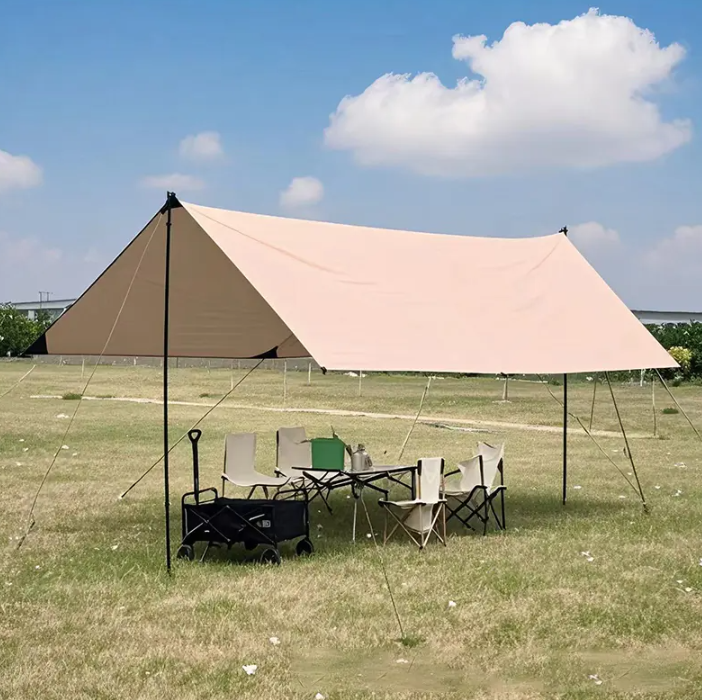
Outdoor dining is no longer just an extra option placed outside the main entrance. In many cities and towns, it has become part of how restaurants operate every day. People enjoy sitting outside. Fresh air feels different. Open surroundings feel less confined. Conversations tend to flow more easily in these spaces.
Within this shift, Outdoor Canopy Tents have gradually become a familiar sight. They appear in courtyards, along sidewalks, on terraces, and in shared commercial zones. Not as decorative additions, but as practical structures that help shape usable dining environments. Discussions within the manufacturing sector, including those related to Zhejiang Mansen Leisure Products Co., Ltd. , often reflect how these structures are increasingly integrated into food service planning.
The Shift Toward Open Air Dining Environments
Restaurants have always adjusted to changing customer preferences. Recently, diners seem more interested in spaces that feel open but still offer comfort. Not fully indoors. Not completely exposed. Something in between.
That in-between space is where Outdoor Canopy Tents fit naturally.
A Canopy provides overhead shelter while keeping the sides open or semi-open. This small structural change transforms an empty outdoor area into a defined dining zone. Tables look organized. Pathways become clearer. Staff movement improves.
Customers often choose outdoor seating for simple reasons:
- More natural light
- Better airflow
- A relaxed atmosphere
- A sense of openness
When these preferences combine with operational needs, structured shade solutions become more than accessories. They become functional extensions of the restaurant layout.
The Evolution Of Outdoor Dining Layouts
From Temporary Shade To Structured Extensions
Outdoor dining used to rely on umbrellas or improvised covers. Those solutions worked, but only to a point. They provided shade, yet they did not create a complete space. Wind could shift them. Rain could disrupt them. Layout planning remained loose.
Over time, operators began looking for something more stable but still flexible. Outdoor Canopy Tents answered that need. A framed Canopy defines the edges of a dining area. It creates a visible boundary without walls. Guests know where the dining space begins and ends.
This structure also supports consistency. Tables can be arranged in predictable patterns. Lighting can be attached overhead. Decorations can be coordinated. Service stations can be positioned logically.
The difference may seem subtle. But it changes how the space functions on a daily basis.
Blending Indoor And Outdoor Experiences
Modern dining design often aims to connect interior and exterior spaces. Glass doors open wide. Transitional flooring materials are used. Seating flows outward.
Outdoor Canopy Tents help complete that transition. They soften the shift between inside and outside. Guests step from the indoor room into a covered open space that still feels intentional.
A Canopy roof filters light. Side panels can remain open. Air continues to circulate. The space feels protected but not enclosed.
This blending supports comfort without sacrificing openness. It also allows restaurants to maintain visual continuity. Furniture style, lighting tone, and spatial layout can extend beyond the building walls in a coordinated way.
Weather Adaptability And Environmental Flexibility
Managing Sunlight And Heat
Direct sunlight affects both comfort and dining behavior. Too much glare can shorten a guest's stay. Excess heat makes tables less desirable.
A Canopy structure reduces these pressures without eliminating natural brightness. Fabric layers soften direct light. Shadow patterns shift gently throughout the day.
Outdoor Canopy Tents allow restaurant operators to adjust orientation and coverage. Some areas remain shaded. Others receive filtered light. This variation gives guests options.
It is not about blocking the environment. It is about moderating it.
Addressing Rain And Light Wind Conditions
Light rain or shifting breezes often disrupt outdoor seating when no structured coverage exists. Temporary relocation becomes necessary. Service pauses. Guests move indoors.
With a stable Canopy frame, mild weather changes become more manageable. Overhead coverage redirects rainfall. Secure anchoring reduces movement in moderate wind conditions.
Outdoor Canopy Tents do not eliminate environmental factors. They reduce their immediate impact. That difference helps maintain service continuity.
Seasonal Adjustments In Dining Spaces
Outdoor dining changes with the seasons. Some periods encourage open layouts. Others require partial enclosure.
Canopy systems support this flexibility through adaptable components. Side panels can be added. Openings can be adjusted. Interior spacing can shift.
Instead of rebuilding each season, restaurants modify existing structures. This approach saves time and simplifies transitions. It also supports repeated use across different conditions.
Space Optimization In Urban And Semi Urban Areas
Extending Seating Capacity Without Permanent Construction
Urban dining spaces are often limited in size. Permanent construction may not be practical or desirable. In such settings, Outdoor Canopy Tents offer a middle ground.
They create defined dining areas without altering the original building. Sidewalk sections, courtyard corners, and shared plazas can be organized into functional seating zones.
Because a Canopy is not a permanent extension, layout flexibility remains. The area can be reconfigured as needed. It can also be cleared if circumstances change.
This adaptability supports evolving operational needs.
Temporary Yet Functional Design
Temporary does not necessarily mean unstable. Many Canopy structures are designed for repeated assembly and disassembly. Frames fold. Components connect smoothly. Storage remains manageable.
At the same time, once installed, the structure feels intentional. Guests sit under it as they would beneath a permanent roof. Service staff move through it confidently.
Outdoor Canopy Tents therefore occupy a practical space between permanence and mobility. They are steady enough for daily dining. Flexible enough for adjustment.
Visual Identity And Spatial Recognition
Canopy Structures As Visual Markers
In crowded dining districts, visual clarity matters. A Canopy creates a recognizable silhouette. It frames the seating area from a distance.
Guests approaching the venue can immediately identify the outdoor section. The roofline draws attention upward. The defined perimeter guides movement inward.
This subtle architectural signal helps organize the surrounding environment.
Custom Elements And Consistent Appearance
Consistency supports brand recognition. When outdoor seating mirrors the tone of the interior, the overall experience feels cohesive.
A Canopy allows coordinated fabric color, layout symmetry, and lighting placement. Even without permanent walls, the space looks deliberate.
Outdoor Canopy Tents contribute to that visual unity. They support identity without requiring structural alteration.
Structural And Functional Comparison
| Aspect | Basic Outdoor Setup | Outdoor Canopy Tents |
|---|---|---|
| Spatial Definition | Open and undefined | Clearly outlined area |
| Weather Moderation | Minimal coverage | Overhead protection |
| Layout Stability | Frequently rearranged | Structured placement |
| Visual Presence | Low profile | Recognizable structure |
| Seasonal Flexibility | Limited | Adjustable components |
Operational Efficiency And Material Considerations
Ease Of Installation And Reconfiguration
One of the main reasons restaurants favor Outdoor Canopy Tents is ease of use. Many frames are designed for quick assembly. Components fit together without heavy tools. Staff can reconfigure seating in minutes.
Tables can be rearranged without affecting the Canopy frame. Lights and decorative elements stay in place. The flexibility supports different dining formats—from casual lunch service to evening gatherings.
Even temporary events benefit from this approach. Tents can be placed for a few hours and removed afterward. Yet they remain functional and stable during use. The balance between flexibility and reliability is key.
Storage And Transport Considerations
Foldable frames and sectional canopies allow easy storage. When not in use, components can be stacked in storage areas. Transport is simplified. Some frames are lightweight, which helps move them between sites.
This mobility matters for businesses that share outdoor spaces. A single Canopy can serve multiple locations. Setup and breakdown routines are predictable.
Practical design ensures components do not wear excessively from repeated handling. Fabrics and frames are engineered for repeated use. Storage and transport are straightforward rather than burdensome.
Frame Materials And Durability
The choice of frame material affects both stability and lifespan. Steel frames are sturdy and resist deformation under typical outdoor conditions. Aluminum frames are lighter, easier to move, yet still offer considerable support.
Designers often combine materials. Steel corners with aluminum beams, for example, allow strength without excessive weight. Frames are coated to resist corrosion. Bolts and connectors are standardized for ease of maintenance.
The Canopy structure is not meant to replace permanent construction. It is meant to provide functional, reliable coverage while remaining flexible. Material selection is therefore practical rather than decorative.
Fabric Selection And Long-Term Use
Fabric choice impacts durability, weather resistance, and overall comfort. Outdoor Canopy Tents often use coated polyester or similar textiles. The surface sheds water and reduces sun exposure.
Breathability is also considered. Fabrics that allow air circulation reduce heat buildup. They prevent condensation under the Canopy roof. Side panels may include clear sections or mesh to maintain airflow while protecting diners.
Maintenance is straightforward. Fabrics are cleanable with standard techniques. Some may be replaced individually if worn. This modular approach keeps ongoing operational effort manageable.
Consumer Behavior And Outdoor Comfort
Psychological Comfort In Semi Open Spaces
Guests respond to both visible and invisible factors. Open air improves mood. Semi-covered seating provides a sense of shelter. Outdoor Canopy Tents strike a balance that supports both.
Airflow, natural light, and proximity to greenery all influence how diners experience the space. The Canopy provides subtle boundaries. It makes the outdoor area feel organized and cared for.
Social Interaction And Group Dining Dynamics
Group seating benefits from clear boundaries. Guests can converse without interfering with nearby tables. Staff can navigate the space efficiently.
A Canopy provides structure without enclosing the area. People feel comfortable sitting in clusters. Conversations flow more naturally. Outdoor dining becomes a shared experience rather than a scattered one.
Regulatory And Practical Factors
Temporary Structures And Local Policies
Even flexible structures must comply with safety and zoning requirements. Many municipalities allow temporary outdoor shelters without permanent permits.
Operators consider Canopy stability, anchoring methods, and overall footprint. Outdoor Canopy Tents meet these requirements while remaining adaptable. Their temporary nature makes them easier to implement than permanent construction.
Safety Awareness In Public Dining Areas
Anchoring, frame strength, and Canopy tension all influence safety. Side panels, weighted bases, and secure fasteners reduce risk during light wind events.
Staff are trained to monitor and adjust Canopy positioning. Components are checked regularly for wear. Attention to these details maintains a safe dining environment while keeping service smooth.
Broader Industry Implications
Outdoor Canopy Tents In Urban Hospitality Trends
Urban restaurants increasingly use outdoor spaces to expand capacity and enhance guest experience. Outdoor Canopy Tents allow for structured seating without building permanent structures.
These tents support city regulations while providing flexibility for peak dining periods. They help businesses optimize small courtyards, rooftops, and terraces.
Adapting To Changing Dining Needs
Manufacturers have adjusted Canopy design to meet diverse demands. Lightweight, foldable frames, modular side panels, and adaptable fabrics are now common.
This approach allows restaurants to respond quickly to seasonal variations, customer preferences, and operational shifts. The structures support both daily use and occasional events without extensive investment.
Future Development Patterns
Flexible Architecture In Food Service
Outdoor Canopy Tents represent a shift toward flexible, non-permanent architecture in dining. Operators can expand or contract seating without construction delays.
Designers explore modular units that combine multiple canopies, creating larger semi-covered areas. These systems allow consistent layout while maintaining adaptability.
Sustainable Approaches In Temporary Dining Solutions
Material choice increasingly reflects environmental considerations. Fabrics may be recyclable or sourced responsibly. Frames may be designed for long-term reuse.
Sustainability intersects with flexibility. Tents that can be moved, folded, and reused reduce waste compared to single-use solutions. Restaurants gain operational benefits while minimizing environmental impact.
Outdoor Canopy Tents have become common in dining settings for many practical reasons. They provide coverage, structure, and identity without committing to permanent construction. The combination of flexibility, durability, and functional design continues to support their widespread adoption.
From a manufacturing perspective, evolving materials, modular designs, and attention to usability remain central. As operators adapt to changing customer preferences, these structures help define usable, inviting, and organized outdoor dining spaces.
