

 en
en  English
 Español
 русский
 Deutsch
 عربى
عربى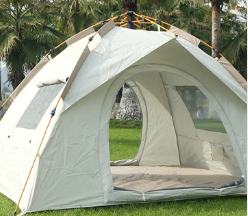
Going outdoors isn't just about finding a nice spot or hoping the weather stays good. The materials your tent is made from can make or break the whole trip. A good tent gives you shelter, keeps you dry, and feels comfortable enough that you actually enjoy sleeping in it. Whether you're camping with family, friends, or going solo, you want something strong but not too heavy to carry.
When you shop for a tent, it pays to look at every part — the outer fabric, the inner tent, the poles, the floor, zippers, mesh, and all the little bits that hold it together. Camping Tent factories know this well. Companies like Zhejiang Mansen Leisure Products Co., Ltd. put real thought into choosing materials so the tent works in real-life conditions without falling apart after a few trips.
Outer Fabric: Your First Line of Defense
The outer layer, usually called the rainfly, is what protects you from rain, wind, and strong sun. If this part is weak, the rest of the tent suffers.
Good outer fabric needs to handle water well. It should bead up and roll off instead of soaking in. It also has to stand up to wind without flapping wildly or tearing. At the same time, it should block UV rays so the material doesn't weaken quickly and the inside stays cooler on sunny days.
The trick is finding the right balance. Too thick and heavy, and you'll hate carrying it. Too thin and light, and it might rip on the first strong gust. Many tents use special coatings or layered fabrics to stay tough while still packing down small.
Inner Fabric: Where You Actually Live
Inside the tent is where you spend most of your time, so comfort matters a lot. The inner fabric should feel pleasant and let air move through it.
Breathable materials help cut down on condensation, especially on cool nights when your breath turns into droplets on the walls. Mesh panels are great here — they let fresh air in and keep bugs out. The fabric should also feel soft against your skin and sleeping bags, not scratchy or stiff.
For families with kids or pets, a gentle inner fabric makes a big difference. No one wants to feel stuffy or cramped. The right material helps the tent stay at a nicer temperature whether it's warm or chilly outside.
Tent Poles: The Backbone of Your Shelter
Poles are what give the tent its shape and keep it standing when the wind picks up.
Aluminum poles are popular because they're light and strong. They're easy to carry and hold up well in most conditions. Fiberglass poles are usually cheaper and quite flexible, but they weigh a bit more and can snap if you're rough with them. Steel poles are the toughest of all, but they add serious weight, so they're better for car camping than backpacking.
Many modern tents mix different pole materials to get the best of both worlds — decent strength without making the whole package too heavy.
Flooring Material: Keeping the Ground Out
A solid floor can make your tent feel much more comfortable and safe.
It needs to be waterproof so puddles or damp ground don't seep through. It should also be tough enough to handle rocks, twigs, or pine needles without getting punctured. At the same time, it helps if the surface feels a little soft under your sleeping pad.
| Floor Material | Durability | Comfort | Best For |
|---|---|---|---|
| Polyester | High | Moderate | Light backpacking trips |
| Oxford Nylon | Moderate | High | Family camping |
| PVC Coated Fabric | Very High | Moderate | Rough or wet terrain |
Choose based on how you camp most often. Families often like something softer and more comfortable, while backpackers go for lighter options.
Zippers, Mesh, and Other Small Parts
Don't overlook the little things. Smooth-running zippers that don't snag can save you a lot of frustration. Strong mesh keeps insects away while still letting air flow. Good guy lines, loops, and hooks help keep the tent tight and stable even when the weather turns rough.
These details might seem small, but they add up. When everything works smoothly, the tent feels reliable instead of annoying.
Layering and Insulation
Many good tents use two layers — a waterproof rainfly over a breathable inner tent. This setup creates an air gap that improves ventilation and helps control temperature.
Some tents even add light insulation or special coatings for colder nights. The goal is simple: stay warm when it's cold, stay cool and dry when it's warm, and still be light enough to carry without complaining.
Families especially like this kind of flexibility. You can open more mesh on hot evenings or close things up when the temperature drops.
Environmental Considerations
Camping Tents are often exposed to sun, wind, and rain. The materials used need to handle these challenges well to keep the tent lasting longer and feeling comfortable.
- Sun and UV Protection: Fabrics that block sunlight help prevent the inside from getting too hot and stop the material from wearing out quickly.
- Moisture Control: Water-resistant fabrics keep the inside dry and reduce damp smells or mold.
- Wind Resistance: Strong materials and reinforced seams help the tent stay in shape even on windy days.
Using materials that can handle outdoor conditions keeps the tent usable and comfortable, so campers don't have to worry about sudden changes in weather.
Maintenance and Cleaning
Taking care of a tent is much easier when the materials are chosen thoughtfully.
- Quick Cleaning: Smooth, water-resistant surfaces can just be wiped with a cloth after camping.
- Wear Resistance: Tough fabrics stand up to friction and small scrapes from rocks or sticks.
- Easy Storage: Lightweight fabrics dry quickly and fold easily, reducing the chance of mold or odors.
Good material choices mean campers spend less time worrying about cleaning and more time enjoying their outdoor trips.
Innovations in Tent Materials
Modern tents are using materials that combine light weight, durability, and comfort.
- Hybrid Fabrics: Combining strong synthetic fibers with waterproof coatings gives tents strength without making them heavy.
- Reinforced Poles and Anchors: Some tents now use alloys that are flexible but still strong, helping the structure stay firm in wind.
- Integrated Ventilation: Mesh layers and smart layering help air circulate without letting bugs inside.
These improvements allow tents to adapt to different weather and terrains while keeping them easy to carry for families and solo campers.
Choosing the Right Tent Material for Your Needs
Picking the right tent is more about thinking what you need it for.
- Terrain: If camping on rocky or uneven ground, look for floors that resist punctures.
- Weather: Rainy or very sunny conditions need waterproof and UV-resistant fabrics.
- Who Uses It: Children and pets need soft, breathable inner materials for comfort.
- Portability: For hiking or long walks, lightweight materials make carrying easier.
Finding a good balance between durability, comfort, and ease of transport makes a big difference for outdoor trips. Some tents let you adjust layers or panels, so the same tent works for meals, play, or sleeping.
| Tent Part | Material Options | Key Features | Best Use |
|---|---|---|---|
| Outer Fabric | Polyester, Nylon, Canvas | Water-resistant, UV-protective, durable | Rain or sunny weather |
| Inner Fabric | Breathable Nylon, Mesh | Comfortable, ventilated, moisture control | Children, pets, long stays |
| Poles | Aluminum, Fiberglass, Steel | Flexible yet strong | Windy or uneven conditions |
| Floor | Oxford Nylon, PVC, Polyurethane | Puncture-resistant, waterproof, easy to clean | Rugged or family camping |
This table helps campers see at a glance how different parts and materials affect comfort and durability.
Enhancing Comfort Through Material Choice
A comfortable tent comes from smart material choices and a simple design.
- Soft Fabrics: Feel nice against skin and clothing.
- Layered Fabrics: Breathable inner layers plus waterproof outer layers keep the inside pleasant.
- Stable Poles: Flexible but firm poles keep the tent standing steady.
- Roomy Layouts: Enough space for kids, pets, and family activities.
Choosing the right materials means campers can focus on enjoying the trip instead of dealing with discomfort or a wobbly tent.
Long-Term Benefits of Quality Materials
Tents made from carefully chosen materials last longer and stay safe.
- Durability: Strong fabrics and poles reduce the chance of damage.
- Safety: Secure floors and poles protect everyone inside.
- Ease of Use: Lightweight materials make setup and takedown easier.
- Consistent Comfort: Breathable, soft, and flexible fabrics keep the interior pleasant for everyone.
A tent built with good materials becomes a reliable companion for repeated outdoor adventures.
Materials are what make a Camping Tent work well. Outer fabrics, inner fabrics, poles, floors, and mesh all contribute to comfort, safety, and durability. A tent that balances these factors allows children, pets, and adults to enjoy the outdoors freely.
Manufacturers in the Camping Tent Factory sector focus on materials that handle the outdoors while remaining comfortable. Choosing tents with the right combination of fabrics, poles, and floors ensures a pleasant and stable experience. Zhejiang Mansen Leisure Products Co., Ltd. shows how careful material selection can create tents that meet practical and comfort needs, making outdoor trips enjoyable for all.
