

 en
en  English
 Español
 русский
 Deutsch
 عربى
عربىA gust hits at the wrong angle, a stake works loose in sandy soil, and a tent that looked sturdy enough back home folds in on itself within seconds. This happens more often than people expect, and it's rarely because the camper did something wrong — it's because the shelter was never engineered for actual outdoor wind in the first place. An Automatic Instant Pop Up Tent that holds up fine during a backyard trial run can behave very differently on an exposed beach or a gusty open campsite, and knowing which design choices actually drive wind performance is what separates a smart purchase from a frustrating one.
Why Wind Resistance Is Critical for Instant Tents
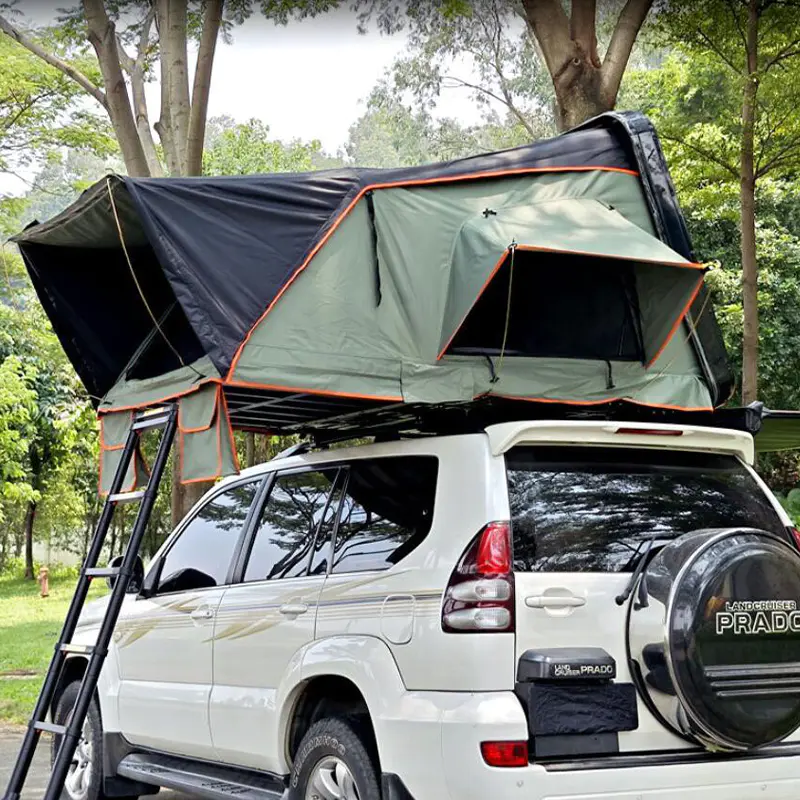
Wind isn't some minor detail in tent design — it's one of the main forces a shelter has to stand up to in order to function at all. Rain and sun mostly affect comfort. Wind threatens whether the structure stays standing. A tent that fails under wind load doesn't just get uncomfortable, it can come down entirely, sometimes with people and gear still inside.
Outdoor weather shifts fast. A site that feels calm during setup can change within a few hours, especially near the coast, across open fields, or up at elevation. Reliable camping depends on a tent handling that shift without warning, rather than buckling the moment conditions turn.
This matters even more for instant and pop-up designs specifically. The automatic mechanism that makes setup quick also brings structural trade-offs that affect how the frame absorbs and resists wind — something most product listings barely touch on.
Key Wind Resistance Features in Instant Pop Up Tents
A handful of design elements determine how an instant tent actually holds up in wind. Worth breaking each one down on its own.
Frame Material Strength
The poles forming a tent's skeleton carry most of the structural load when wind hits, and the material matters as much as the shape.
- Fiberglass poles flex under pressure and tend to be lighter and cheaper, but they get brittle with age and are more likely to snap under a sharp, sustained gust
- Aluminum poles strike a better balance between flexibility and rigidity — bending under load without breaking, then springing back once the wind dies down
This isn't just about which material is "stronger" on paper. It's about how the pole behaves as wind force keeps changing moment to moment.
Tent Structure Design
Frame geometry decides how wind force travels across and around the tent.
- Dome structures spread wind force evenly across a curved surface, avoiding the kind of concentrated stress points that lead to failure
- Tunnel structures do fine when wind comes from one predictable direction but get shakier once it shifts or hits from the side
Instant pop-up tents lean toward dome shapes for good reason — the geometry translates more cleanly into automatic deployment while still holding up reasonably well in wind, which is a large part of why it dominates this category.
Anchoring System
Even a well-built frame fails if it isn't properly tied to the ground.
- Stake quality decides how well the tent resists lifting or dragging — reinforced stakes hold considerably better in loose or sandy soil than the thin, basic ones that ship with cheaper tents
- Guy lines running from the tent body to ground anchors pull stress away from the frame and into the ground instead
- Ground grip — weighted edges, sewn-in loops, extra anchor points — affects how the base itself resists movement
A great frame paired with weak anchoring still fails in real wind, because the frame and the ground connection work together as one system, not separately.
Fabric Density and Coating
The material stretched over the frame matters too, separate from the skeleton underneath.
- Thicker polyester holds taut against the frame rather than fluttering and catching wind
- Waterproof and windproof coatings cut down air permeability, limiting how much wind force transfers straight into fabric movement and frame stress
Thin, low-density fabric flaps excessively in wind. That flapping doesn't just feel unstable — it actually pushes more dynamic load into the frame over time.
Automatic Locking System Stability
This one is specific to the instant and pop-up category, and it's exactly where cheaper products tend to cut corners.
The mechanism letting the tent pop open on its own needs to lock firmly into its deployed shape. If that locking system is loose or imprecise, wind pressure can push the frame partway out of position — even if the pole material itself is perfectly fine. A solid automatic easy outdoor tent pairs decent pole material with a locking mechanism actually built to resist lateral pressure, not just hold static weight.
How Different Instant Tent Designs Perform in Wind
Lining up traditional dome tents against instant pop-up alternatives makes the trade-offs clearer.
| Feature | Dome Tent | Instant Pop Up Tent |
|---|---|---|
| Wind Resistance | Generally strong due to even load distribution | Variable — depends heavily on frame and locking quality |
| Setup Speed | Moderate — requires manual pole assembly | Fast — automatic deployment |
| Stability | Consistently strong across most conditions | Dependent on structural design and component quality |
| Anchoring Requirement | Standard staking and guy lines | Often similar, but sometimes under-specified by manufacturers |
| Suitability for High-Wind Sites | Well suited | Suitable only with reinforced design features |
Instant pop-ups aren't inherently weaker than dome tents — they just carry more variability between products. A well-built camping tent automatic pop up can hold up just as well as a dome design, while a poorly made one falls well short, which is exactly why checking the individual product matters more than trusting the category as a whole.
Common Reasons Instant Tents Fail in Strong Wind
Knowing the usual failure patterns helps spot warning signs before buying rather than after watching a tent collapse.
- Weak poles that flex too much or snap outright under sustained pressure — usually a sign of cost-cutting on material grade rather than bad design intent
- Poor anchoring from thin stakes, too few guy line points, or a base that doesn't grip the ground well
- Excess surface area catching wind when a tent is taller or wider than its actual interior space needs, putting more strain on the frame than it was built to handle
- Weak stitching at seams and stress points, prone to tearing under repeated wind loading even when the frame and fabric are otherwise fine on their own
Each of these is something a buyer can actually check before purchase, which is part of why understanding the features matters more than trusting marketing copy.
How to Choose a Wind-Resistant Automatic Instant Pop Up Tent
Working through a structured checklist beats judging a tent on price or appearance alone.
Step 1: Check Frame Material
Confirm whether the poles are aluminum or fiberglass, and lean toward aluminum for anything involving genuinely unpredictable or strong wind. Fiberglass is fine for calmer, sheltered camping where wind exposure stays minimal.
Step 2: Evaluate Structure Design
Dome-style frames generally offer steadier stability across shifting wind directions than tunnel or boxier shapes — particularly relevant for open or exposed sites.
Step 3: Inspect Anchoring System
Look for reinforced stakes, several guy line attachment points, and a base with weighted edges or secure ground loops. A tent relying on just a handful of staking points is cutting a corner that shows up the first time conditions actually get rough.
Step 4: Consider Intended Use
Matching the tent to where it'll actually be used sharpens the decision:
- Beach camping needs anchoring built for loose sand, where standard stakes often just pull right out
- Mountain camping demands resilience against sudden gusts and temperature swings that affect how flexible the materials stay
- Festival use usually involves more moderate wind, so quick automatic setup matters more, though decent wind performance still shouldn't be ignored
Why Manufacturing Quality Matters in Tent Wind Resistance
Good specs on paper only mean anything once production actually matches the engineering behind them. This is where manufacturing standards become directly tied to wind performance outcomes.
Production precision affects how consistent pole joints, locking mechanisms, and stitching are across an entire batch. Even subtle variation between units means some tents from the exact same product line might hold up noticeably better — or worse — in wind than others, which creates real headaches for retailers trying to keep customers satisfied.
Material sourcing control matters just as much. A manufacturer holding firm standards for pole alloys, fabric density, and coating quality produces far more predictable wind performance across production runs than one that swaps material grade depending on cost pressures that month.
Structural testing — where manufacturers actually verify wind performance through physical testing rather than leaning entirely on design math — is a meaningful signal for brands and distributors sourcing camping tent automatic pop up products at scale. That kind of verification is what separates a manufacturer capable of backing a dependable automatic easy outdoor tent line from one just bolting components together without checking how they perform.
High Wind Camping Scenarios and Tent Performance
Different outdoor settings throw genuinely different wind challenges at a tent, and knowing which scenario applies helps set realistic expectations.
Coastal wind camping brings persistent, often unpredictable gusts off open water, usually paired with loose sandy ground that complicates anchoring further. Tents used here need both strong frame materials and anchoring built specifically for sand rather than firm soil.
Mountain ridge camping throws sudden, sharp wind shifts driven by terrain and elevation, plus temperature swings that can affect material flexibility — fiberglass poles in particular can stiffen up and turn brittle in colder air.
Desert environments combine strong, sustained wind with fine, shifting sand that tests anchoring differently than coastal or mountain settings, often calling for deeper stake penetration or specialized anchors just to stay put.
Knowing which of these applies to your intended use helps weigh design features sensibly rather than assuming one tent design performs the same everywhere.
Practical Questions About Wind-Resistant Instant Tents
What makes a pop up tent wind resistant?
A combination working together: sturdy frame material (usually aluminum), a sound geometry like a dome shape, a dependable anchoring system with solid stakes and guy lines, and a locking mechanism that actually holds the automatic frame in place under lateral pressure, not just static weight.
Are instant tents good in strong wind?
Performance swings quite a bit depending on design and build quality. Well-engineered instant tents with reinforced frames and proper anchoring can hold up about as well as traditional tents in genuinely strong wind, while cheaper versions with thin poles and minimal staking are noticeably more prone to failure.
Which tent structure handles wind best?
Dome structures generally spread wind force more evenly across the surface than tunnel or boxier alternatives, making them the steadier choice when wind direction is unpredictable.
How do you secure an automatic pop up tent in wind?
Use every stake point available rather than just a few, attach guy lines to ground anchors for extra stability, and weight the base edges with sandbags or heavy items in particularly exposed spots.
Can fiberglass poles handle strong wind?
They manage moderate wind reasonably well thanks to their flexibility, but they're more prone to snapping under sustained or sharp gusts compared to aluminum, and they get more brittle with age and repeated use.
What's a sensible approach to choosing a tent for windy conditions?
Look at frame material, structural design, and anchoring system together rather than fixating on one feature alone — wind resistance comes from how these pieces function as a whole system, not from any single spec sheet line.
Making a Confident Choice for Outdoor Conditions
Wind resistance in instant tents comes down to how well frame material, structural geometry, anchoring, fabric quality, and locking mechanisms work together as a complete system — not how good any single feature sounds in a product listing. Two tents can look nearly identical on a retail page and still behave completely differently once real wind tests their construction, which is exactly why understanding these underlying features matters more than going by appearance or price. For brands, retailers, and bulk buyers sourcing instant tents for outdoor markets, manufacturing consistency and verified structural performance are what separate a product line that builds customer trust from one that racks up returns and complaints after the first rough camping trip. Zhejiang Mansen Leisure Products Co., Ltd. manufactures automatic pop-up tent products built with attention to frame strength, structural stability, and anchoring performance, supporting outdoor brands and distributors who need products that hold up across their camping equipment range, not just look good in a catalog. If your business is sourcing instant tents for markets where outdoor reliability actually matters, sharing your specific performance requirements is a practical way to start that conversation.
