

 en
en  English
 Español
 русский
 Deutsch
 عربى
عربىOutdoor tables used in travel or temporary setups are often judged by how they behave in real movement rather than how they look in storage. A portable folding outdoor picnic table sits in that category, where small differences in structure can change how it feels during use.
Some people notice the setup process first. Others pay more attention to how it holds items on uneven ground. In practice, both matter at different moments, especially when space and time are limited.
What to check before choosing a folding outdoor table for different outdoor activities
Not every outdoor situation puts the same pressure on a table. A short stop on a flat surface feels very different from a long meal on uneven ground.
Before choosing, it helps to think in terms of how the table will actually be used rather than how it looks when folded.
- If the ground is uncertain, leg contact matters more than appearance
- If movement is frequent, folding steps become more noticeable than weight alone
- If items are varied, surface behavior under mixed load becomes relevant
A portable folding outdoor picnic table used for changing environments usually needs to handle these shifts without feeling unstable or slow to reset. In some cases, a design that feels slightly heavier can still be easier to manage if it stays steady during use.
Which materials are used for tabletops and how they change the user experience
The surface of the table often shapes the first impression during use. It is also the part that interacts most with food, tools, or simple daily items.
Different surfaces behave differently once placed outdoors. Some are easier to wipe after spills, while others feel more resistant when exposed to heat or direct light. The choice is not only about durability but also about how the surface feels in daily handling.
| Surface type | What users tend to notice |
|---|---|
| Smooth composite style | Easy to clean, less effort after use |
| Metal based surface | Firm feel, can react to temperature changes |
| Wood pattern surface | Visual warmth, may need more care over time |
A portable folding outdoor picnic table with a smoother finish is often chosen for repeated food use, while textured surfaces can feel more stable when holding irregular items.
How folding mechanisms influence setup speed and everyday outdoor convenience
Folding systems shape the rhythm of how the table is used. Some designs open in a single motion, while others require a few steps before locking into place.
The difference becomes more visible when the table is used repeatedly in one outing. A mechanism that feels simple at first may still require attention when aligning parts, especially if the ground is uneven.
There is also a trade-off. Systems that reduce setup steps sometimes rely on tighter alignment, which can feel less forgiving in quick setups. Others may take slightly longer but feel more predictable once the pattern is learned.
A portable folding outdoor picnic table in this category is less about speed alone and more about how consistent the setup feels each time.
Where this type of table can be used beyond camping and picnic settings
Although outdoor dining is the most familiar use, this type of table appears in many temporary setups where carrying furniture is not practical.
It can show up in simple roadside stops where people need a clean surface for a short break. It can also appear in outdoor markets, where space changes frequently and fixed furniture is not available.
In home environments, it sometimes replaces heavier furniture during gatherings that extend into outdoor areas. The key factor is not the location itself, but the need for a surface that can move easily between setups.
A portable folding outdoor picnic table often fits these situations because it does not require permanent placement, which makes it easier to adjust when plans change.
When a lightweight design becomes a more practical choice for travel use
Weight starts to matter once a table is moved more than it is used in one place. That usually shows up during short walks from a parking area, or when the setup spot changes a few times in the same outing.
A lighter structure is easier to handle in those repeated transitions. It goes from folded to carried to set up without much interruption in between. At the same time, very light builds can feel slightly different when placed on soft ground, especially if the surface shifts under pressure.
A portable folding outdoor picnic table in this range is often chosen when movement is part of the routine rather than an exception. People tend to notice how it feels in the hand more than how it looks on paper.
Why stability changes when used on uneven ground and what affects it
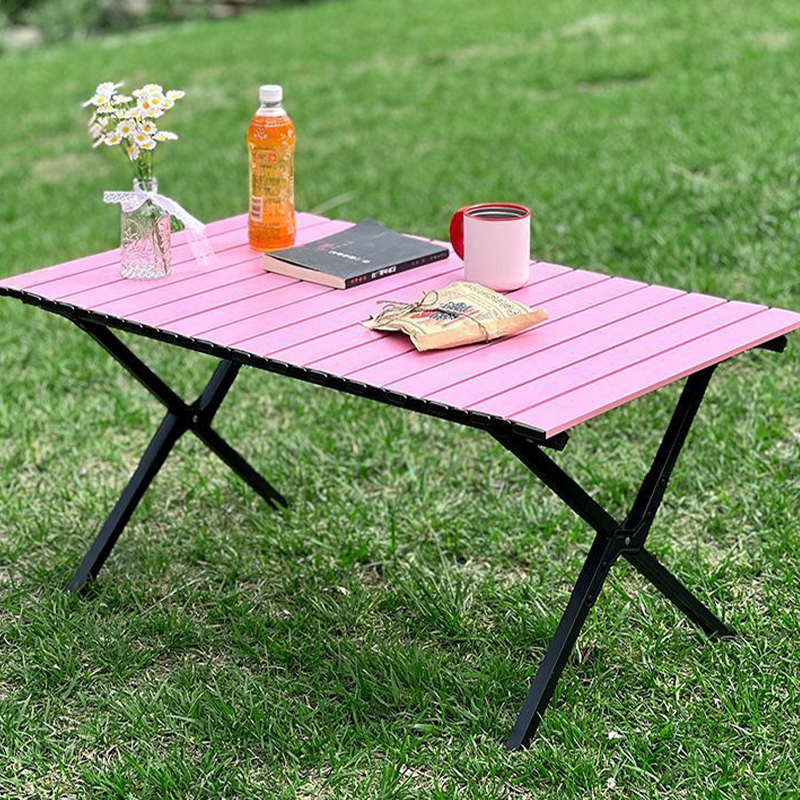
Outdoor surfaces rarely stay even. One corner might sink a little into grass, while another sits on firmer soil. That small difference is enough to change how the frame behaves.
When one leg reaches the ground differently from the others, the pressure inside the structure becomes uneven. It may not collapse or fail, but small rocking movements can appear during use.
A portable folding outdoor picnic table reacts mostly to ground contact rather than tabletop shape. The surface above can be flat, yet the support underneath decides how steady it feels.
A few things tend to shape this:
- Whether each leg finds solid contact
- How tightly the locking points hold after unfolding
- Where the load is placed on the surface
- Whether the ground shifts slightly under weight
In real use, people usually adjust the position a few centimeters rather than expecting the table to compensate on its own.
How to maintain folding tables to reduce wear from outdoor conditions
Outdoor use slowly affects joints more than flat surfaces. Dust, moisture, and small particles tend to gather where parts move against each other.
Most of the time, maintenance is not about effort but about timing. After use, especially in damp or sandy conditions, a quick wipe helps prevent stiffness later on.
A portable folding outdoor picnic table often stays more consistent when the folding points are kept clear. If residue builds up in the joints, opening and closing can feel less smooth over time.
Areas that usually matter most:
- Hinges and folding joints
- Locking contact points
- Edges where dirt collects
Letting the structure dry before storage also reduces resistance in moving parts during the next setup. It is less about care routines and more about keeping movement predictable.
Tips to improve portability and storage efficiency during transport and packing
Transport often decides how often the table gets used. If packing feels awkward, it usually ends up being left behind.
Keeping the folding steps consistent helps more than forcing tighter packing. When the structure always ends in the same shape, it becomes easier to place in a fixed space like a trunk or storage corner.
A portable folding outdoor picnic table fits more naturally when it lies flat during transport instead of being angled or compressed.
| Packing aspect | What usually helps in practice |
|---|---|
| Folding order | Repeating the same sequence each time |
| Surface alignment | Keeping parts flat before storage |
| Carry points | Holding where balance feels natural |
| Storage position | Avoiding tilted or twisted placement |
Over time, the process becomes less about instructions and more about habit. Once the routine forms, setup and packing feel quicker without needing extra adjustments.
