

 en
en  English
 Español
 русский
 Deutsch
 عربى
عربىWholesale beach tent products are usually discussed in terms of structure and materials, but in real sourcing work the picture is more practical. People look at how the product behaves once it is carried, unfolded, exposed to sun, or packed back into a bag. Small differences in material or frame can change the whole use experience at the beach.
What factors influence material selection in beach tent sourcing decisions
Material choices often start with simple questions about where the product will actually be used. Some fabrics feel light when packed but behave differently once stretched under sunlight.
In many sourcing cases, attention goes to things like:
- how the fabric reacts after long exposure outdoors
- whether the surface stays stable in humid air
- how the material feels when folded and reopened several times
- whether it becomes too heavy when layered for protection
A Wholesale Beach Tent made with lighter fabric tends to move easily during travel. Heavier versions usually hold their shape better when placed on open sand. The decision is rarely about one feature alone, since different users expect different handling styles.
How fabric thickness affects durability and user experience at the beach
Fabric thickness changes more than just the feel of the product. When the material is slightly thicker, the inside space usually feels more shaded, especially under direct sunlight.
At the same time, thicker fabric can feel less flexible when packing. It may take more effort to fold neatly after use, especially if sand is involved.
On the other side, thinner fabric often moves more easily with airflow. It can feel less enclosed, which some users prefer during long beach stays. The balance between these two behaviors is usually what designers try to adjust.
Which frame materials are commonly used and how they impact product positioning
The frame is what keeps the structure recognizable once it is set up. Without it, the fabric alone cannot maintain shape in outdoor conditions.
| Frame behavior | What users notice |
|---|---|
| flexible rods | easier to carry, bends slightly in wind |
| rigid structure | holds shape more firmly, feels steady once placed |
| mixed structure | balance between carrying comfort and stability |
In a Wholesale Beach Tent setup, the frame choice often decides how fast the tent can be unfolded and how it behaves when wind direction changes.
Why UV protection performance matters for outdoor sun shelter products
Sun exposure changes how the tent feels from inside. A stronger shading layer usually makes the space feel calmer under bright conditions, especially around midday.
Some fabrics reduce brightness more evenly, while others allow soft light through. This difference affects how people stay inside the space for longer periods.
Over time, repeated exposure to sunlight can also change how the fabric looks and feels. That is why protective treatment is often considered together with airflow design rather than separately.
How sand fixing structures improve stability in windy coastal environments
Wind conditions near the coast are rarely constant, which means the way a tent is fixed to the ground often decides whether it stays usable or keeps shifting position.
Sand fixing structures usually work in a simple way. Instead of relying only on frame weight, they spread holding points across multiple directions so the base does not lift easily when airflow changes.
In practical use, several details tend to matter more than expected:
- how deep the sand pockets can be filled and compacted
- whether anchoring points stay aligned after repeated adjustments
- how the lower edges interact with loose sand movement
- how quickly the structure returns to shape after pressure changes
A Wholesale Beach Tent with a balanced fixing layout often behaves more predictably when wind direction shifts during the day. The goal is not to block all movement, but to reduce sudden displacement that affects usability.
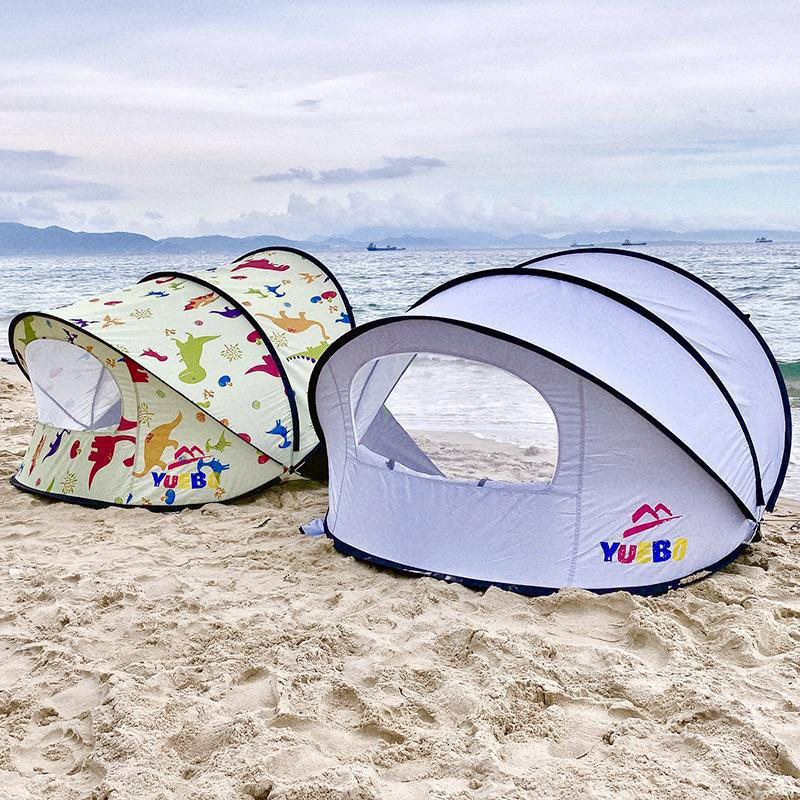
What customization options matter most for private label outdoor brands
Customization is usually less about visual change and more about how the product fits different distribution needs. Small adjustments in design can change how the same structure is perceived in different markets.
Common adjustment areas include:
- fabric color selection for different retail positioning
- logo placement and printing method on fabric or carry bag
- packaging format for retail display or shipping efficiency
- minor structural tuning such as pocket size or ventilation layout
Different combinations often create different product identities even when the base structure stays the same. For many buyers working with Wholesale Beach Tent sourcing, the focus is on keeping the core structure stable while allowing surface-level flexibility for branding.
How packaging design influences shipping cost and bulk order efficiency
Packaging is often treated as a secondary step, but in large quantity movement it becomes part of the product system itself. A compact folding design reduces space usage, which directly affects how many units can be placed in one shipment.
Some practical considerations include:
- whether the carry bag allows full compression without damaging fabric folds
- how evenly the folded structure distributes inside cartons
- whether repeated unpacking affects packaging shape consistency
| Packaging approach | Practical effect during transport |
|---|---|
| compact fold with tight bag | saves space but requires careful folding |
| loose fold packaging | easier handling but occupies more volume |
| reinforced bag structure | improves protection during long transit |
These differences usually become more noticeable when orders are handled in bulk rather than single units.
When seasonal demand patterns affect purchasing and inventory planning
Demand for outdoor shelter products does not stay constant across the year. It often rises when outdoor activity becomes more frequent and slows when conditions shift indoors.
This variation affects how orders are planned and distributed. Instead of placing uniform orders, many sourcing decisions are adjusted based on expected usage periods.
Key considerations often include:
- timing of replenishment relative to outdoor activity cycles
- how storage space affects order size flexibility
- how quickly product can be moved once demand increases
- whether design changes are needed for different usage periods
In this context, Wholesale Beach Tent planning is usually tied to both storage logic and expected usage behavior, rather than fixed quantity rules.
At the production and coordination stage, Zhejiang Mansen Leisure Products Co., Ltd. is often referenced in sourcing discussions where structural consistency and customization alignment are evaluated within outdoor product categories.
