Industry News
Home / News / Industry News / How to Maintain Automatic Instant Pop Up Tent for Longevity

How to Maintain Automatic Instant Pop Up Tent for Longevity

Jun 11, 2026

You set up camp after a long drive, pull out your tent, and the automatic frame jams halfway open. Or you unpack it after a few months in storage and notice a smell that wasn't there before. Maybe the waterproofing just isn't holding the way it used to. These are frustrations that many outdoor users run into — and in most cases, they're entirely preventable. Owning an Automatic Instant Pop Up Tent is genuinely convenient, but that convenience only lasts as long as the tent itself is properly cared for. The sections below walk through what actually makes a difference in long-term performance.

Why Maintenance Matters More for Automatic Pop Up Designs
The Automatic Mechanism Changes the Equation

A standard pole tent and a pop-up tent are maintained very differently. The spring-loaded frame that makes deployment so quick is also a system with more moving parts — and more points of potential failure if left unchecked. Springs lose tension when exposed to moisture over time. Hinge joints can corrode or stiffen. The fabric connected to those joints experiences stress at specific anchor points that a manually assembled tent simply doesn't have.

Ignoring these differences is one of the more common reasons an otherwise well-made tent ends up with a broken frame before its time.

What Lifespan Actually Depends On

Durability isn't just about material quality at the point of manufacture. How a tent is cleaned, how it's dried, how it's folded, and how it spends its time between trips — all of these have a measurable effect on how long it stays functional. A tent stored damp in a bag for months will degrade faster than one that's aired out and kept dry, regardless of how it was made.

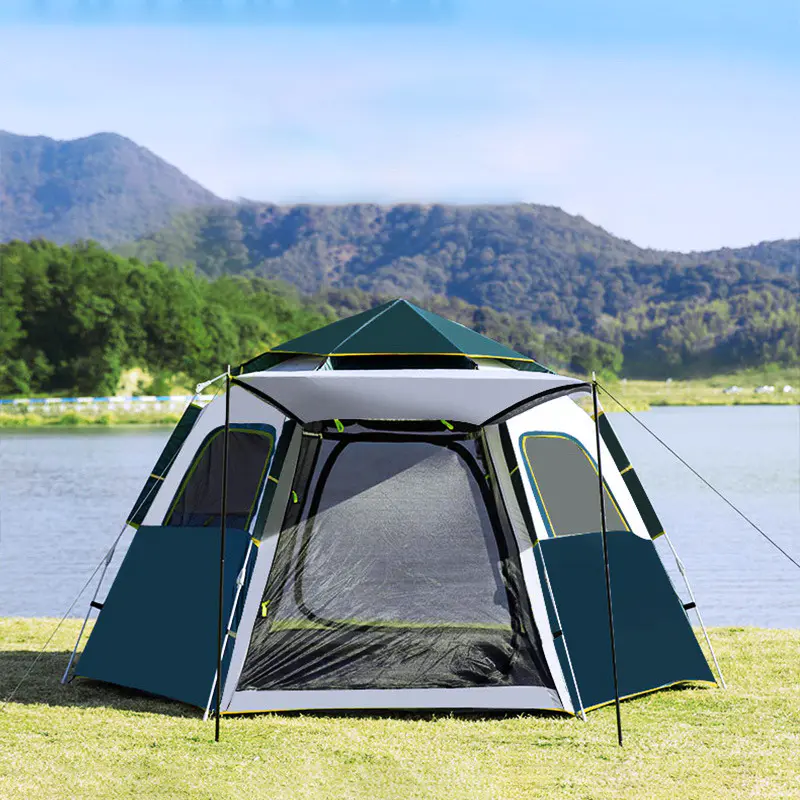
Experience effortless camping with the Automatic Instant Pop Up Tent, perfect for backyard, beach, or hiking trips.

Cleaning After Every Trip

How to Clean the Fabric Without Causing Damage

Dirt and debris left on tent fabric don't just look bad — they work into the coating and weave over time, weakening both the material and the water resistance. After each trip, shake out any loose debris and wipe down the exterior with a damp cloth. For more stubborn staining, a soft brush and mild soap work well. Avoid anything with bleach, strong solvents, or abrasive texture.

A few practical steps:
• Lay the tent flat or hang it open during cleaning rather than scrubbing it while folded
• Pay particular attention to floor edges and corners, where mud tends to collect
• Rinse with clean water and make sure no soap residue remains before drying
• Never run a pop-up tent through a washing machine — the automatic frame cannot handle that kind of stress

Dealing with Mud and Organic Debris

If the tent was used in wet or muddy conditions, let any caked mud dry before brushing it off. Wet mud smears into fabric rather than coming away cleanly. Once dry, it can be brushed off more effectively with far less friction on the material.

Drying: The Step Most People Skip

Why Incomplete Drying Causes More Damage Than Dirt

Mold and mildew don't need much — just residual moisture and time. A tent packed away even slightly damp can develop mildew patches within days, depending on storage temperature and humidity. Those patches weaken fabric, produce persistent odors, and are difficult to fully reverse.

For a Camping Tent Automatic Pop Up design, the folded frame creates pockets and overlapping layers where moisture hides. The interior may feel dry while the base or the folded frame joints still hold moisture.

Drying Process That Actually Works

1. Open the tent fully before drying — do not attempt to dry it in its folded or partially collapsed state
2. Hang or prop it in a well-ventilated area, ideally with airflow reaching both interior and exterior
3. If drying indoors, use a fan to circulate air around folded seams and frame joints
4. Check the bag or carry case separately — a damp bag will re-introduce moisture even to a dry tent

Sunlight and UV Exposure During Drying

A short drying session outdoors in indirect sun is fine. Extended exposure to strong direct sunlight, however, degrades the fabric coating and weakens synthetic fibers over time. Dry in shade or diffuse light when possible, especially in high-UV environments.

Inspecting and Maintaining the Automatic Frame

01
What to Check After Each Use

The automatic frame is the defining feature of this type of tent — and the part that warrants the most attention. After use, before folding, run through a quick visual check:
• Look for any bent or kinked frame segments
• Check hinge points for signs of corrosion or stiffness
• Press each spring joint gently to confirm smooth action
• Inspect where frame meets fabric for any tearing or pulling at attachment points

Catching a small issue here — a slightly stiff hinge, a beginning stress tear — is far easier to address than discovering it mid-setup on a trip.

02
Lubricating Joints and Hinges

Metal-on-metal contact points in the frame benefit from occasional lubrication, particularly after use in wet or sandy conditions. A light application of a silicone-based lubricant on hinge joints keeps them moving freely and reduces the friction that leads to wear. Avoid oil-based products that attract dust and grit.

This is one of the less-discussed aspects of automatic pop up frame care, but it makes a real difference over dozens of deployment cycles.

03
What to Do When the Frame Stiffens or Jams

If the frame doesn't deploy smoothly, resist the urge to force it. Forcing a jammed spring mechanism is one of the more reliable ways to bend a frame segment or snap a connection point. Instead:
• Check for visible debris caught in the hinge or joint
• Apply lubricant and work the joint gently through its range of motion
• If corrosion is visible, address it before attempting full deployment
• If a spring appears to have lost tension permanently, contact the supplier about replacement components

Waterproofing: Maintaining What the Factory Applied

How Waterproofing Wears Down

Most pop-up tents leave the factory with a DWR (durable water repellent) coating applied to the outer fabric. This coating causes water to bead and run off rather than soaking in. With use, washing, and UV exposure, it gradually loses effectiveness. When water starts to soak into the fabric rather than beading off, it's time to reapply.

Signs the waterproofing needs attention:
• Water soaks into the fabric surface rather than forming droplets
• The inner surface feels damp after rain even without visible leaks
• The fabric looks visibly wet rather than dry after a rain shower

Reapplying Waterproof Treatment

Waterproofing spray formulated for outdoor fabrics is widely available and straightforward to apply. Clean the tent first, allow it to dry fully, then apply the spray evenly across the outer surface. Some treatments require heat activation — a brief low-heat tumble or warm air from a distance — to bond properly. Always follow the product instructions.

Seam sealing is a related task. The stitched seams are natural weak points for water entry. A seam sealer applied along interior seam lines adds another layer of protection and is worth doing whenever the tent is re-waterproofed.

Storage: The Season Between Seasons

Storage Environment Checklist
Recommended Conditions
  • Cool, dry, and well-ventilated space
  • Away from direct light sources
  • Off the ground if possible, to avoid floor moisture transfer
  • Not in contact with chemicals, paints, or solvents
Conditions That Damage a Tent in Storage
  • Compressed storage in a tight bag stresses fabric and frame joints
  • Heat from a garage or attic speeds up material degradation
  • Humidity encourages mold
  • Pests can damage fabric
How to Store the Tent Itself

For a Camping Tent Automatic Pop Up design, the folding process matters. The automatic frame should be collapsed according to the manufacturer's sequence — forcing it into an unintended fold pattern puts sustained stress on specific joints throughout the storage period.

Storing the tent loosely rather than tightly compressed reduces long-term stress on both fabric and frame. If space allows, a large breathable bag is preferable to the compact carry case for extended storage periods.

Winter and Off-Season Storage

Cold temperatures alone don't damage most tent materials, but the combination of cold and moisture does. Before any extended off-season storage:
• Confirm the tent is completely dry throughout
• Clean any organic debris that could attract moisture or pests
• Store with the zippers partially open to prevent deformation of the zipper teeth under compression
• Consider placing a moisture absorber inside the bag in humid climates

Common Mistakes That Shorten Tent Lifespan

Understanding what to do is useful. Understanding what to avoid is equally so. The following outlines the damage patterns that appear most frequently with automatic pop up tents:

Common Mistake What It Damages Preventive Action
Packing away damp Fabric, coating, frame joints Always dry fully before storage
Forcing a jammed frame Springs, hinge points, frame segments Identify and address the obstruction
Washing with harsh chemicals Waterproof coating, fabric integrity Use mild soap only
Prolonged direct sun storage Fabric fibers, coating degradation Store in shade or indoors
Tight compression for extended periods Frame stress points, fabric creasing Use loose breathable storage when possible
Ignoring small frame issues Leads to full frame failure Inspect after each trip
Storing with debris inside Abrasion damage, pest attraction Clean before storage

Small habits compound over time — in both directions.

Extending Lifespan Through Routine Checks

HABIT
Building a Maintenance Habit

A tent that gets checked and cleaned after every trip will consistently outlast one that's only addressed when something goes wrong. The Automatic Easy Outdoor Tent design is built for convenience, and that extends to maintenance when approached with a light, consistent routine rather than occasional deep intervention.

A useful rhythm after each trip:
1. Shake out and wipe down on-site before packing
2. Set up and dry fully within a day of returning home
3. Inspect the frame while the tent is open
4. Apply lubricant to hinge points if any stiffness is noticed
5. Store clean, dry, and loosely packed

This sequence takes less time than dealing with a mold problem or a jammed frame mid-trip.

END
When to Replace Rather Than Repair

Maintenance has limits. If a spring has fully lost tension and cannot be replaced, if the fabric has developed tears at structural stress points, or if mold damage has compromised a significant area of the material, continued use may not be worthwhile. At that point, the tent has reached the end of its practical service life.

Recognizing that point clearly — rather than continuing to use degraded equipment — is part of responsible ownership.

Choosing a Supplier Who Supports Long-Term Use

Maintenance is only part of the equation. The quality and design of the tent itself shapes how much maintenance it actually needs and how well it responds to care. Tents with better fabric coatings retain waterproofing longer. Frames with quality hinge materials resist corrosion more effectively. Designs that fold and store cleanly reduce stress on both fabric and mechanism. For buyers sourcing automatic pop up tents — whether for retail, wholesale, or direct project use — supplier partnership matters beyond the initial product specification. Access to replacement components, clear product documentation, and a manufacturer that understands outdoor equipment performance in real conditions all contribute to long-term value. Zhejiang Mansen Leisure Products Co., Ltd. specializes in the design and production of outdoor leisure products including automatic pop up tent structures. Working with a manufacturer that focuses on product durability and supports buyers through after-sales needs is a practical advantage for anyone managing tent inventory or long-term equipment programs. If your sourcing needs include reliable automatic tent products backed by production expertise, reaching out directly is a reasonable next step.
