

 en
en  English
 Español
 русский
 Deutsch
 عربى
عربى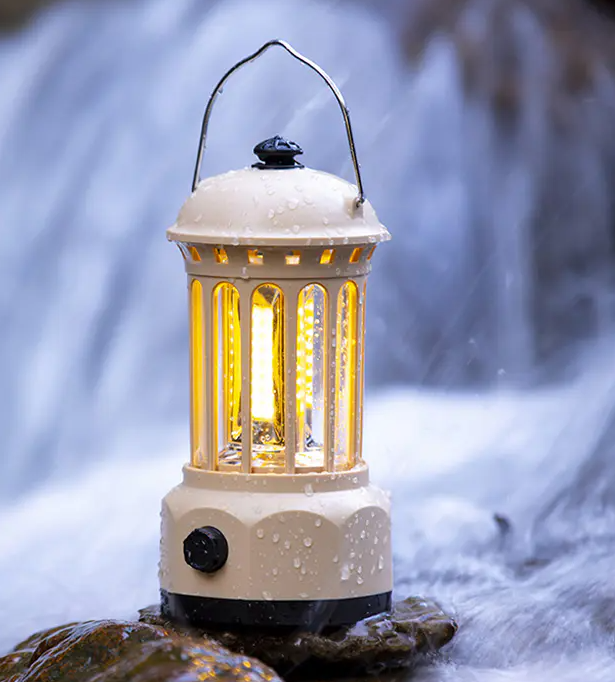
Good lighting makes a noticeable difference when the sun goes down on a camping trip. A reliable Camping Lamp helps with everything from cooking dinner to finding your way back to the tent, while also creating a comfortable glow around camp. The right choice depends on how the lamp fits your specific needs—whether you're hiking solo, setting up a group site, or dealing with unpredictable weather.
Camping Lamps come in many forms: small handheld models that fit in a pocket, collapsible lanterns for table use, or hybrid designs that switch between focused beams and wide-area light. Picking one involves looking at features that affect visibility, runtime, toughness, and ease of carry. Zhejiang Mansen Leisure Products Co., Ltd. produces a range of Camping Lamps that show how different combinations of these features can suit various outdoor routines.
Brightness and Light Distribution
Lumen Output
Brightness level determines how much area the lamp covers and how clearly you can see. Campers usually think about what tasks they need light for—reading a map, preparing food, or walking short distances. Moderate output works well for close-up activities and saves power, while stronger output lights up a wider space for shared camp areas or spotting things farther away.
Beam Type
The shape and spread of the light matter just as much as raw brightness. A wide, even glow feels natural for general camp use, like sitting around talking or organizing gear. A narrower, more directed beam helps when you need to focus on one spot—reading small print, checking trail markers, or working on equipment. Many campers prefer lamps that let them switch between these modes depending on the moment.
Adjustable Brightness
Being able to dial the light up or down adds real flexibility. Lower settings create a soft ambiance for relaxing or talking late into the evening, while higher settings handle detailed work or sudden needs. Adjustable brightness also helps stretch battery life—campers often start bright for setup and lower it once everyone settles in.
Power Source and Battery Management
Battery Types
The power option affects how dependable the lamp stays on long trips. Rechargeable batteries eliminate the need to pack extras and can be topped up from a power bank or car. Replaceable batteries offer a simple backup when recharging isn't possible. Solar-powered models draw from sunlight during the day, which suits extended stays in clear weather.
Battery Life
How long the lamp runs depends on brightness setting, temperature, and how often it's used. Campers plan around their routine—bright light for the first few hours, then dimmer for overnight—so they don't run out unexpectedly. Knowing typical runtime at different levels helps avoid surprises.
Charging and Recharging Options
Convenient ways to recharge keep the lamp ready. USB ports let you plug into a power bank, solar panels capture daylight when outlets aren't available, and some models include hand-crank backups for emergencies. Versatile charging makes the lamp more reliable in remote spots or during multi-day trips.
Durability and Build Quality
Materials
The body material affects how well the lamp holds up. Lightweight plastics or composites keep weight down for carrying, while reinforced designs resist bumps and scrapes from rough handling. Campers look for construction that stands up to dust, drops, and daily use without adding unnecessary bulk.
Water Resistance
Rain, morning dew, or accidental spills happen often outdoors. A lamp with solid water resistance keeps working through wet conditions instead of failing or shorting out. Campers usually choose models that handle damp weather without worry.
Shock and Drop Resistance
Campsites aren't always gentle—lamps get knocked off tables, dropped during setup, or bumped in packs. Designs with protective edges or internal cushioning help maintain function after impacts. A sturdy build means fewer worries about breakage mid-trip.
Size, Weight, and Portability
Compact vs Full-Size Lamps
Physical size influences where and how the lamp travels. Compact models slip into a pocket or side pouch, making them easy for day hikes or minimalist packs. Larger lanterns spread light farther and suit base camps or group sites, though they take up more room.
Ease of Carrying Handles, built-in hooks, or clips make transport straightforward. A lamp that hangs from a pack strap or clips to a tent pole stays out of the way until needed. Good carry options reduce fatigue on longer walks.
Storage and Space Efficiency
Collapsible bodies or foldable handles save space in tight tents or shared bags. Efficient storage keeps the lamp from crowding other gear and makes packing quicker at the end of a trip.
Functional Features and Accessories
Hanging and Mounting Options
Placement flexibility changes how useful the lamp becomes. Hooks let it hang from tent ceilings or branches, magnetic bases stick to metal surfaces, and some include tripod threads for steady positioning. Being able to hang or mount the light keeps hands free and spreads illumination evenly.
Multi-Functionality
Some lamps combine modes—lantern for area light, flashlight for directed beams, or even USB ports to charge small devices. Extra functions reduce the need to carry separate tools, which appeals to campers who like streamlined kits.
Switching and Controls
Controls need to work easily in low light or with gloves on. Large buttons, simple sliders, or touch areas prevent fumbling when adjusting brightness or switching modes. Straightforward operation keeps nighttime tasks smooth.
Key Features Comparison of Camping Lamp Options
| Feature | Practical Impact | User Consideration |
|---|---|---|
| Brightness | Affects visibility and comfort | Adjustable levels suit different tasks |
| Beam Type | Spread of light and focus | Diffused vs directional depending on use |
| Power Source | Reliability and portability | Battery, rechargeable, or solar options |
| Durability | Longevity and outdoor resilience | Material, drop, and water resistance |
| Size & Weight | Ease of transport | Compact for hiking, larger for base camp |
| Multi-Function | Added convenience | Lantern mode, USB charging, emergency features |
| Controls | Accessibility in low light | Easy operation for all users |
These features work together to shape how a Camping Lamp performs on a trip. Campers who match the lamp to their routine—whether short overnights or longer backcountry stays—find lighting that supports safety, comfort, and convenience without extra hassle.
Energy Efficiency and Environmental Considerations
LED vs Traditional Bulbs
Camping Lamps today rely heavily on LED technology because it uses power more efficiently and generates very little heat during operation. This efficiency translates to longer runtime on the same battery charge or set of cells, and the cooler surface makes the lamp safer to handle or place near gear after extended use. Traditional bulbs can produce a warmer, more familiar light tone that some campers prefer for evening ambiance, but they consume more energy and tend to need replacement more often in outdoor conditions. Campers who plan trips where light is needed for several hours each night usually favor LED designs for their practical balance of performance and convenience.
Solar and Rechargeable Options
Lamps with solar panels or rechargeable batteries have become a common choice for many campers. Solar models collect energy from daylight to power the light after dark, which works well on trips with good sun exposure and reduces the need to carry spare batteries. Rechargeable versions connect easily to power banks, car chargers, or outlets when available, offering a straightforward way to maintain power over multi-day outings. Both options help cut down on battery waste and make the lamp more self-sufficient in remote locations.
Eco-Friendly Materials
Many lamps now use recyclable plastics, lightweight metals, or materials manufactured with lower resource use. These selections help the lamp withstand rough handling, weather exposure, and repeated packing while supporting campers who want gear that has a smaller overall impact. Durable construction from these materials ensures the lamp holds up through numerous trips without quick wear or failure.
User Experience and Comfort
Glare Reduction
Lamps that include diffusers, frosted covers, or soft-light modes reduce harsh glare, making the light more comfortable for prolonged use. A gentler glow feels natural for reading, eating, or sitting around camp, and it helps avoid eye strain or temporary loss of night vision when shifting between tasks. Campers find the difference noticeable when the light remains easy on the eyes over several hours.
Even Illumination
Balanced light spread prevents dark patches or overly bright areas across the camp space. Uniform coverage makes routine nighttime activities—preparing food, sorting gear, or moving around safely—more straightforward and less frustrating. Lamps designed for even distribution turn the campsite into a more practical and relaxed area once darkness falls.
Accessibility
Controls that operate intuitively in low light—large tactile buttons, clear markings, or simple dials—allow quick adjustments even with cold fingers or gloves. Ergonomic handles, balanced weight, and easy hooks make carrying and hanging the lamp straightforward. These practical elements help the lamp work smoothly for different users and keep nighttime routines flowing without unnecessary effort.
Safety and Reliability
Overheating Prevention
Effective heat dissipation keeps the lamp from getting too warm during long sessions at higher brightness. Good thermal design protects internal components and keeps the exterior safe to touch or reposition. Campers appreciate when the lamp remains comfortable to handle even after running bright for extended periods.
Waterproof and Fire Safety
Tight seals and water-resistant construction protect against rain, splashes, or condensation. Low-heat LEDs paired with stable, non-tip bases lower the risk of accidental fire near dry materials or fabric. Solid builds provide reassurance in damp, windy, or variable weather.
Emergency Preparedness
Some lamps include flashing patterns, red-light modes, or basic signaling functions that can help mark a location or draw attention if needed. These simple additions offer a layer of preparedness without complicating normal operation. Built-in emergency options add a sense of security on remote or unpredictable trips.
Trends and Innovations in Camping Lamp Design
Smart and Connected Features
Certain lamps now feature connectivity for phone control, motion sensors, or automatic brightness adjustments based on light levels or movement. Timers turn the light off after a set period, and remote settings let campers adjust from inside the tent or across camp. These conveniences help adapt illumination to the situation without constant manual changes.
Modular and Customizable Designs
Lamps with interchangeable or removable parts—detachable heads, adjustable stands, or add-on diffusers—allow users to reconfigure for different needs. A wide-area lantern one evening can shift to a focused beam or hanging mode the next. Modular builds provide flexibility for solo trips, group sites, or changing conditions.
Minimalist and Lightweight Solutions
Slim, focused designs prioritize core functions—steady light output, reasonable runtime, and easy carry—while keeping weight and packed size minimal. These appeal to hikers or backpackers who want reliable illumination without extra ounces. The approach emphasizes essentials that perform consistently across varied outdoor settings.
Practical Guidelines for Choosing a Camping Lamp
Campers can make a practical decision by keeping these points in focus:
- Align features with typical tasks—brighter or directed light for detailed work, softer even coverage for relaxing or shared areas.
- Balance portability with required performance—compact for trails, larger for fixed camps with more people.
- Prioritize durability and safety—strong materials, water resistance, and heat management for consistent function in rough conditions.
- Consider energy efficiency—LEDs with rechargeable or solar options to extend runtime and reduce waste.
- Ensure ease of operation—intuitive controls, comfortable handles, and mounting options that work in low light or with gloves.
These guidelines help match the lamp to real camping experiences rather than just listed specifications.
Choosing a Camping Lamp means finding the right combination of brightness, power handling, build quality, user comfort, and added functions that fit the camper's routine and the places they visit. The best match supports safe movement, comfortable evenings, and dependable light when darkness arrives.
A well-selected lamp quietly improves the nighttime part of camping—making tasks easier, adding warmth to the camp setting, and keeping things secure. When energy use, toughness, and thoughtful design work together effectively, the lamp becomes a natural, reliable companion for time spent outdoors. Zhejiang Mansen Leisure Products Co., Ltd. shows how careful attention to these practical details can create lighting that meets the varied needs of campers on different kinds of trips.
