

 en
en  English
 Español
 русский
 Deutsch
 عربى
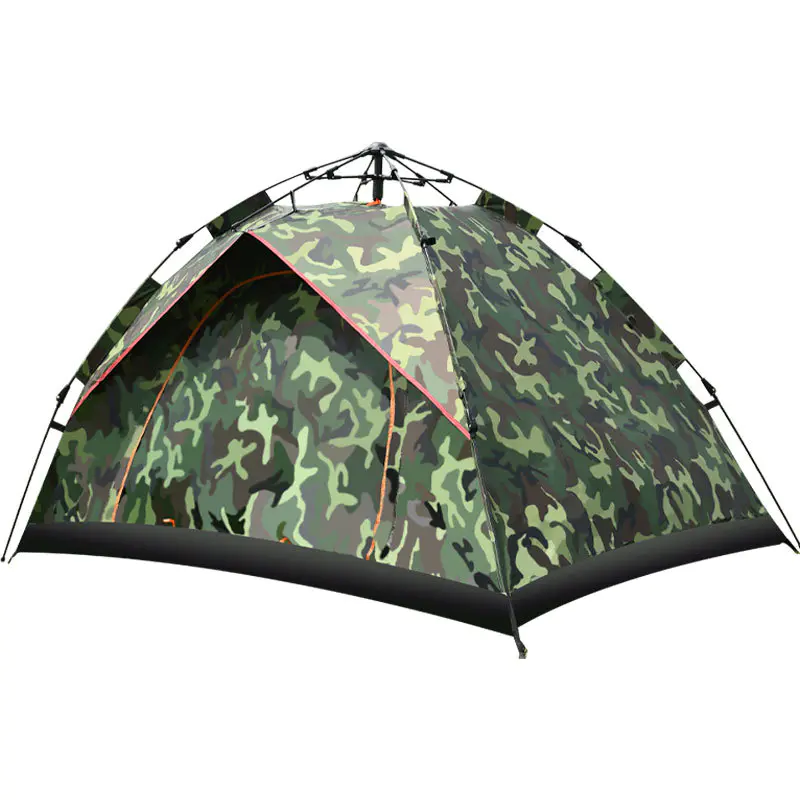
عربىYou set it up in seconds, but now you are wondering what comes next. The tent is sitting in a corner, still damp from last weekend, and you are not entirely sure whether to fold it, dry it, or just leave it. These are the questions nobody answers at the point of sale — and they matter more than most buyers expect. Owning a Camping Tent Automatic Pop Up is genuinely convenient, but keeping it in good working condition takes a bit more attention than the quick setup implies.
Storage Is Where Most Owners Go Wrong
Never Pack a Tent That Has Not Fully Dried
Moisture is the single fastest way to shorten a tent's life. Even a short camping trip in dry weather leaves condensation inside the fabric. Pack it damp, and within days you will notice a faint smell — that is mildew settling into the seams and floor material.
The fix is simple but easy to overlook:
- Pitch the tent again at home — in a garden, on a balcony, or across two chairs indoors
- Allow airflow to reach both inner and outer layers
- Check the corners and base, which tend to hold moisture longer than the walls
- Only pack the tent once the fabric feels genuinely dry to the touch, not just cool
One more thing worth noting: avoid storing it in a sealed plastic bag. A breathable storage sack, even a loose one, dramatically reduces the chance of mildew forming between uses.
The Automatic Frame Deserves Specific Attention
How Does the Pop-Up Mechanism Actually Wear Over Time?
The convenience of an automatic instant pop up tent comes from its spring-loaded or pre-tensioned frame. That mechanism is elegant — but it is also the component most likely to degrade if handled carelessly.
A few habits that protect the frame:
- Do not force the folding sequence. Each automatic tent has a specific collapse order. Skipping steps or applying pressure in the wrong direction stresses the hinge joints.
- Inspect the joints after each trip. Look for small cracks, slight bending, or any point where the pole feels looser than usual.
- Keep the frame clean. Sand and grit work their way into pivot points and act like an abrasive over time. A dry brush before folding removes most of it.
- Avoid sitting or leaning hard on the frame. The structure is designed for sleeping loads, not lateral pressure.
The folding motion should feel smooth. If resistance increases, that is usually a sign that something is slightly out of alignment — easier to address early than after multiple seasons of accumulated stress.
Waterproofing Degrades — and Needs Refreshing
Does the Coating on Your Tent Actually Last?
Most outdoor tents leave the factory with a water-resistant coating on the fly and floor. That coating does not last forever. UV exposure, abrasion, and repeated folding all gradually reduce its effectiveness.
Signs that waterproofing needs attention:
- Water beads less readily on the outer fabric
- You notice damp spots on the inner wall during rain
- The floor feels slightly soft or cool in wet conditions
Refreshing the coating is straightforward. A spray-on water repellent treatment, applied to a clean and dry surface, restores the beading effect. The floor seams — the stitched lines running along the base edges — are worth treating with a seam sealer separately, as these are common entry points for water.
This kind of maintenance is easy to skip because the tent still looks fine. But prevention costs far less than dealing with a soaked sleeping bag mid-trip.
Accessories That Actually Make a Difference
What Should You Add After the Initial Purchase?
The tent itself handles shelter. What surrounds it determines how well that shelter performs across different conditions. Some additions are genuinely practical; others are nice in theory but rarely used.
| Accessory | Function | Worth Adding? |
|---|---|---|
| Extra ground stakes | Stabilize in soft or sandy ground | Yes, especially for windy sites |
| Footprint / ground sheet | Protects the tent floor from abrasion | Yes, extends floor life noticeably |
| Guy lines | Adds tension in strong wind | Yes, for exposed campsites |
| Repair tape | Patches small tears on-site | Yes, compact and useful |
| Gear loft / organizer | Internal storage pocket | Situational, useful for small items |
| Spare pole section | Emergency frame repair | Situational, depends on trip length |
A footprint deserves particular emphasis. The floor of any tent takes a lot of punishment from rough ground — stones, roots, and general debris. A ground sheet absorbs that wear instead of the tent floor, which tends to be harder to repair or replace.
Cleaning Without Causing Damage
Is Regular Cleaning Really Necessary?
Short answer: yes, but it does not need to be complicated. Dirt, sunscreen residue, and organic material from the ground all degrade fabric and coatings over time. A light clean after every few uses is enough to prevent buildup from becoming a problem.
The process:
- Shake out loose debris before doing anything else
- Use a soft sponge or cloth with cold or lukewarm water
- A mild soap — unscented, without bleach or harsh solvents — works for most surface dirt
- Pay attention to the zipper channels, where grit tends to accumulate
- Rinse thoroughly and allow to air dry before packing
What to avoid:
- Machine washing — the agitation damages coatings and can warp or crack frame components if any part of the structure remains attached
- Harsh detergents — strip the water-resistant coating faster than normal wear
- Direct heat drying — weakens the fabric and can cause delamination
Zippers are worth a separate mention. A drop of zipper lubricant applied occasionally keeps them running smoothly and prevents the small snags that, over time, lead to broken teeth.
How to Handle an Automatic Easy Outdoor Tent in Unpredictable Weather
Wind Changes Everything
Pop-up tents are designed for convenience, not for riding out storms. That does not mean they are fragile — but it does mean they need a little extra attention when the weather turns.
In windy conditions:
- Stake all corners, even if the ground feels firm
- Run guy lines from the upper attachment points to stakes set at an angle away from the tent
- Orient the narrowest end of the tent toward the prevailing wind to reduce the surface area catching the wind
- Lower the rainfly fully and ensure it is secured at all points
If the wind picks up unexpectedly during the night, checking the stakes is worth the effort. A stake that has partially pulled free puts uneven tension on the frame — which is exactly the kind of stress the automatic mechanism is not designed for.
Long-Term Storage Between Seasons
How Should the Tent Be Kept When Not in Use for Months?
A tent stored properly between seasons comes out in the same condition it went in. One stored carelessly may show mold, brittleness, or distorted fabric by the time it is next needed.
Practical steps for extended storage:
Clean and dry completely before putting the tent away for the season
- Loosen the compression — if the tent has a stuff sack, store it loosely inside a larger bag rather than tightly packed
- Keep it away from direct light — UV continues to degrade fabric even through windows
- Store at room temperature — basements with humidity fluctuations and attics with summer heat both shorten fabric life
- Avoid placing heavy objects on top — sustained compression deforms the poles and stresses the folding mechanism
Some owners prefer to hang their tent loosely in a dry wardrobe. That is genuinely good practice for preserving both the fabric and the frame geometry.
When to Repair Versus When to Replace
Small Damage Is Usually Worth Fixing
A small tear in the fly, a broken zipper pull, a cracked pole joint — these are all repairable with basic materials and a bit of patience. Repair tape designed for tent fabrics bonds quickly, holds through rain, and is compact enough to carry on any trip.
Zipper repairs are a common need. Replacement zipper sliders are inexpensive and can be fitted without sewing. A zipper that skips or separates is almost always a slider issue rather than a damaged chain — worth checking before concluding the zipper needs full replacement.
Frame damage is the one area where professional assessment helps. A bent pole can sometimes be straightened; a cracked joint or broken spring assembly in the automatic mechanism usually needs a replacement part sourced from the original manufacturer.
Building a Simple Maintenance Routine
Consistency Matters More Than Intensity
The owners who get the longest life out of their gear are rarely the ones with elaborate cleaning kits. They are the ones who do simple things consistently — dry before storing, inspect before packing, clean after every few uses.
A workable rhythm:
After each trip:
- Shake out debris
- Dry completely before packing
- Wipe zippers
Every few trips:
- Light clean with mild soap and water
- Check poles and joints
- Inspect seams for any wear or separation
Once per season:
- Apply water repellent treatment if beading has reduced
- Treat seams with seam sealer if needed
- Store loosely in a dry, cool location
None of these steps takes long. The value is in doing them before problems develop rather than after.
Keeping a tent in good working order is less about technical expertise and more about consistent habits. The frame, the fabric, and the waterproofing all respond well to basic care and poorly to neglect. An automatic easy outdoor tent is built around convenience — and that convenience is worth protecting through the kind of attention that prevents small issues from becoming expensive ones. If you are sourcing tents for resale, distribution, or retail and want to understand product specifications, care documentation, and customization options in more depth, Zhejiang Mansen Leisure Products Co., Ltd. is available to discuss your requirements and provide relevant product guidance.
