

 en
en  English
 Español
 русский
 Deutsch
 عربى
عربى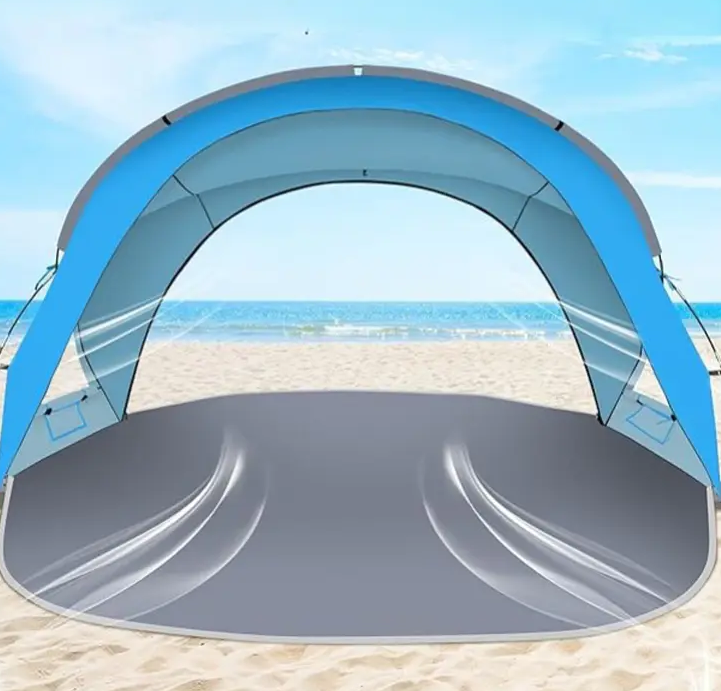
Outdoor leisure has become part of many people's routine. More individuals are looking for ways to spend time outside comfortably. Simple shelters make a difference—places where families, friends, or even solo travelers can rest, relax, or escape the sun. Among these shelters, the Beach Tent stands out. It's not just a piece of cloth with poles; it's a small, portable space that offers shade, protection, and privacy.
People are drawn to designs that are easy to carry, simple to set up, and flexible enough to use in different locations. Some like to use them on sandy beaches, others at parks or beside lakes. The collaboration between designers, manufacturers, and Beach Tent Suppliers ensures that tents are practical, sturdy, and suited for everyday outdoor leisure. Zhejiang Manson Leisure Products Co., Ltd. has been making continuous efforts to contribute to the manufacture of awnings that combine functionality and design.
- Lightweight fabrics
- Quick assembly structures
- Versatile use in many outdoor settings
Evolution of Beach Tents
Portable shelters have changed a lot over the years. At first, they were heavy, simple, and hard to carry. Mostly for sun protection or a little wind cover. No one thought much about comfort or style.
Then, improvements began. Designers started making tents foldable, easier to carry, and faster to set up. Pop-up styles became popular. Poles became lighter, fabrics more flexible, yet stronger.
- Early tents: functional but bulky
- Modern tents: lightweight, compact, convenient
- Focus on comfort: ventilation, reinforced seams, adjustable sides
Beach Tent Suppliers have played a big part in this change. They understand what people want and help bring new designs to the market. Shelters are now made to last longer, feel more comfortable, and still be easy to carry around.
Materials and Construction
Materials make or break a Beach Tent. Fabric needs to block sunlight but stay light. Water resistance is important, too, especially for damp mornings or unexpected showers. Breathable materials keep air moving, reducing heat inside.
Support structures also matter. Lightweight alloys or fiberglass poles make tents stable without being heavy. Joints need to hold up through repeated folding and unfolding. Every material choice impacts durability and ease of use.
| Feature | Material / Specification | Practical Benefit |
|---|---|---|
| Fabric | Polyester or nylon coating | Sun and water protection |
| Poles | Fiberglass or lightweight alloy | Strong yet easy to carry |
| Mesh Panels | Fine polyester mesh | Ventilation, keeps insects out |
| Ground Anchors | Sandbags or stakes | Keeps tent steady on soft ground |
Durability depends not only on materials but also on construction. Stitched seams, reinforced corners, and quality poles all matter. A well-made tent can withstand wind, sand, and sunlight while staying light enough to transport easily.
Design Trends
Tents today are a mix of practicality and thoughtful design. Minimalist structures dominate. Pop-up mechanisms are popular because they save time and effort. Foldable tents allow spontaneous use, easy transport, and simple storage.
- Ventilation is key. Mesh panels and windows help airflow while keeping bugs out.
- Adjustable openings let users control sun exposure and privacy.
- Colors range from muted tones that blend into surroundings to brighter choices for visibility or style.
A good design balances function with comfort. Space matters too. Enough room for one or two people, plus small belongings. Some tents even have small pockets or loops for items.
Functionality and Usage
A Beach Tent is more than a sunshade. Its uses are many:
- A place to rest or nap outdoors
- A spot to change clothes or store personal items
- A small private area in open public spaces
Portability is crucial. Lightweight, pop-up tents allow anyone to set up quickly. Some tents are modular, letting users expand space if needed. Comfort comes from interior design, like floor space, pockets, and mesh panels.
Wind, sand, and light rain are easier to handle with a well-built tent. Even short breaks outdoors become more pleasant when there's a small shelter to retreat to.
- Simple setup and takedown
- Lightweight for carrying to beach or park
- Enough room for personal belongings or a few occupants
- Offers shade, privacy, and some protection from wind
Safety and Stability
When you're setting up a Beach Tent, the first thing that comes to mind for most people is whether it will stay put. Even a light breeze off the water can turn a nice shady spot into a flapping mess if the tent isn't anchored right. That's why so many designs now come with sandbags that you fill on site, or stakes you push into the sand, or even flexible pegs that twist in deep. These little additions make a big difference.
Families with kids pay extra attention to how secure everything feels. Little hands love to tug on poles or pull at the fabric. Tents with sturdy frames and joints that lock or clip solidly help ease that worry. Nobody wants the whole thing collapsing during a nap or a snack break.
Wind is the real test. Modern Beach Tents often have rounded edges or a lower profile so they don't catch the wind like a sail. The poles are made to flex a bit instead of snapping. Some have extra tie-down loops at the corners or along the sides. A good habit is to test the setup in an open spot before you settle in for the day – give it a gentle shake and see how it holds.
Here are a few things that help keep it stable:
- Sandbags or stakes for anchoring – fill them up and tie them down tight
- Flexible poles that bend under pressure instead of breaking
- Reinforced corners and seams so nothing tears when the wind picks up
- Mesh panels or ventilated windows that let air pass through without turning the tent into a kite
When safety is built in from the start, the tent feels reliable. You can relax a little more, knowing it won't suddenly tip or fly away in a gust.
Maintenance and Longevity
Taking care of a Beach Tent isn't hard, but it does add years to its life. Right after you pack up, shake it out really well. Sand gets everywhere – in the folds, in the corners, even in the bag. Get most of it out before you fold. A quick wipe-down with fresh water takes off salt and dirt that would otherwise eat into the fabric over time.
When it's time to store the tent, don't just cram it in the bag. Follow the folding pattern that came with it. Stuffing it too tight can bend poles or crease the fabric permanently. Many tents now come with storage sacks that have a bit more room so nothing gets crushed.
Every few trips, take a minute to look things over. Check the poles for cracks, the seams for loose threads, the connectors for any play. A small tear can be patched with a simple repair kit. Tightening a loose joint takes seconds and prevents bigger problems later.
Some fabrics have built-in protection against sun damage or water soaking in. That helps stop mildew from starting if the tent stays damp too long. Choosing a tent with those features means less worry about fading colors or mold spots after a rainy day at the beach.
Simple habits that make a difference:
- Shake out sand and debris after every use
- Wipe fabrics lightly with water to remove salt and dirt
- Fold carefully according to instructions to protect poles and seams
- Check and fix small damage right away instead of waiting
A little regular care turns a Beach Tent from a one-season item into something you can count on for many summers.
Market Trends and Consumer Preferences
More people are heading outdoors these days, and Beach Tents have become a go-to item for that. Buyers want something light enough to carry without feeling like a workout, but still useful enough to make the trip worthwhile. Pop-up tents that open in seconds and foldable ones that pack small are the ones that sell fast – perfect for last-minute beach runs or park days.
Lots of folks like tents that do more than just block sun. Extra pockets inside for keys or snacks, removable side panels for wind protection, or even a small vestibule area – these extras get noticed. Some people care most about how compact it is for travel. Others want plenty of room so the whole family can sit inside without bumping elbows.
Different areas have different needs too. Coastal spots might lean toward wind-resistant designs. Inland families might pick bigger ones for shade over a picnic. User feedback shapes what comes next. People tell suppliers what worked, what broke, what they wished was different. That loop keeps designs getting better.
A few things buyers look for now:
- Lightweight and portable tents for easy carry on spontaneous trips
- Multi-functional designs with storage pockets or removable sections
- Choices that fit different lifestyles – compact for solo trips, spacious for families
- Suppliers who listen to real user comments and make adjustments
When suppliers stay in tune with what people actually want, the tents end up more practical and more enjoyable to use.
Technological Advancements
Beach Tents have come a long way from basic poles and fabric. Poles are now often made from lightweight alloys or composite materials. They feel light in your hand but still strong enough to hold up in wind. The weight savings make carrying them to the beach much easier.
Fabric has improved too. Many are treated to block UV rays so you don't burn through the material. Water-repellent coatings help rain bead up and roll off instead of soaking in. Breathable weaves let hot air escape so the inside stays cooler on sunny days.
Setup has gotten simpler. Pop-up models spring open almost by themselves – you just toss them out and pull a few strings. Foldable ones use stronger hinges and flexible joints so they don't wear out after a dozen uses.
Comfort features keep getting added. Adjustable flaps let you control how much sun or wind comes in. Mesh panels on multiple sides keep bugs out while air moves freely. Some tents let you expand a section or add a side wall for extra privacy or space.
Key improvements that stand out:
- Lightweight, durable poles from alloys or composite fibers
- UV-resistant and water-repellent fabrics that hold up better
- Pop-up and foldable mechanisms for quick, easy setup
- Adjustable flaps, mesh panels, and modular sections for better comfort
Beach Tents have changed from plain sun covers into real little outdoor rooms. They give shade, a bit of privacy, and a place to sit without sand in everything. Lightweight materials, smart design, and better fabrics make them easier to carry, set up, and live with.
Safety and stability stay at the top of the list. Anchoring points, flexible poles, and solid frames keep them steady when the wind picks up. Regular cleaning and careful storage keep them looking good and working right for years.
Market trends push for more portability and extra features. People want tents that fit their life – quick for a solo beach walk, roomy for family time. Suppliers keep adjusting based on what users say, so designs stay practical.
From casual days at the shore to full-day outings in parks, a good Beach Tent makes the difference between uncomfortable sun and relaxed shade. It's more than shelter – it's a small, portable piece of comfort that tags along wherever you go.
