

 en
en  English
 Español
 русский
 Deutsch
 عربى
عربى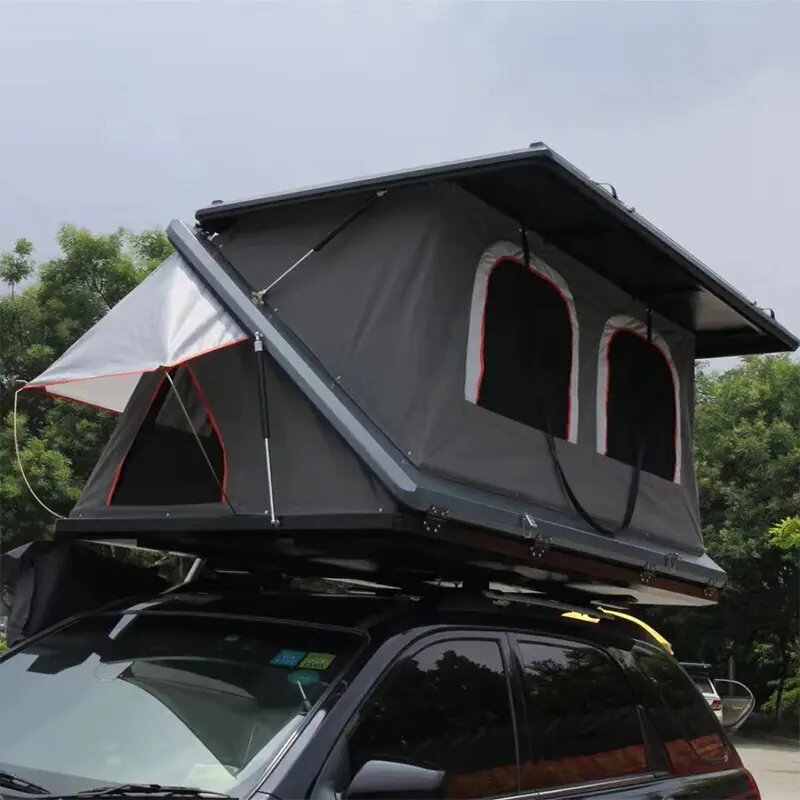
A Rooftop Tent changes a roadside pull-over into something closer to real rest. When rain arrives, though, the experience shifts in ways that are hard to ignore. Everything — the way the fabric handles water, the feel inside, the stability on top of the vehicle — starts behaving differently.
People who spend time in these tents during wet weather quickly notice the small things: how the surface tension changes when soaked, how water tracks along seams instead of rolling off cleanly, how the interior air turns thick if ventilation gets neglected. Even a steady drizzle can make the ladder slick, the mattress feel cooler, or the whole structure settle a little differently.
From the supply side, a Rooftop Tent Wholesaler sees these patterns repeat across customers. People mention the same handful of frustrations: water finding its way past a zipper, condensation collecting on the ceiling, fasteners loosening after hours of steady rain. Those real-world notes quietly influence what gets stocked, how instructions are written, and which details receive extra attention in the next production run.
Environmental Challenges in the Rainy Season
Wet seasons bring a handful of conditions that test Rooftop Tents more than dry ones do.
Rain Intensity and Exposure
Light, constant mist behaves differently from short, heavy bursts. Gentle rain can sit longer on the surface; sudden downpours push hard against seams and corners. Areas that see frequent wet weather demand better attention to how water is guided away from entry points.
Ground Conditions
Soft, muddy soil makes the vehicle sit lower or shift slightly under weight. Slopes can cause uneven settling. Uneven patches under the tires affect how the tent platform rides, sometimes creating a subtle tilt that changes sleeping comfort.
Wind and Temperature Variations
Wind pushes rain sideways, pressing it against seams that might otherwise stay dry. Cooler nighttime air combined with high humidity makes the interior feel damper than the actual moisture level would suggest. Small adjustments to vents or positioning often become necessary just to keep things tolerable.
Moisture Accumulation Standing water on the roof adds noticeable weight over time. Inside, condensation forms wherever warm breath meets a cold surface. Left unchecked, persistent dampness starts affecting the feel of bedding and the smell of the space.
Material and Fabric Behavior in Wet Conditions
The choice of fabric largely determines how gracefully a Rooftop Tent deals with rain.
Common Fabric Characteristics
Water-repellent treatments make drops bead up and roll. Breathable weaves allow vapor to escape but can still feel damp after long exposure. Flexible materials handle the extra load of soaked fabric without tearing or permanently stretching.
Effect of Prolonged Moisture
Continuous wetting can soften seams slightly or cause minor sagging in some spots. Fabrics that go through repeated soak-dry cycles sometimes lose a bit of their initial crispness. Keeping proper tension at the attachment points becomes more important when everything is heavier.
Surface Treatments and Coatings
Some coatings shed water exceptionally well but can feel a little stiffer to the touch. Others include treatments that discourage mold growth after extended dampness. The best balance keeps protection high while still allowing the interior to feel livable.
| Fabric Type | Water Behavior | Strength Under Moisture | Comfort Notes |
|---|---|---|---|
| Water-Repellent Polyester | Sheds rain quickly | Maintains shape well | Slightly firmer feel when wet |
| Breathable Canvas | Absorbs some moisture | Softens noticeably | Very comfortable surface once dry |
| Coated Nylon | Fast runoff, minimal absorption | Stays taut under tension | Slightly slick but very stable |
Setup Techniques for Rainy Conditions
Getting the tent up correctly during wet weather prevents most of the common annoyances.
Choosing Vehicle Parking Location
Higher, firmer ground reduces the chance of water pooling under the vehicle or causing the tires to sink. Low-lying areas near streams or depressions often turn into traps. Overhead branches that drip steadily should be avoided.
Roof Mounting and Support Alignment
Mounting hardware must be checked and tightened before unfolding. Even weight distribution across the rack prevents one side from settling lower. Rain can cause some hardware to loosen slightly, so a quick re-check after the first hour of use is worthwhile.
Angle Adjustments
A very slight tilt (often achieved by parking on a gentle slope) helps water flow off the roof instead of collecting. The angle of suspension straps also affects how rain sheets down the sides. Small tweaks here can make a surprising difference in how dry the entry stays.
Securing Accessories
Rainflies, side awnings, ladders, and ventilation flaps all need secure attachment. Loose pieces can flap, create water pockets, or allow spray inside. Ventilation openings should be positioned to allow airflow without inviting driving rain.
Roof and Tent Safety Considerations
Safety in wet conditions comes down to understanding how water changes weight, grip, and tension.
Load Distribution
Wet fabric adds noticeable weight, shifting the balance on the mounting points. Keeping the load centered prevents uneven stress. Occasional re-leveling may be needed if the ground softens over hours.
Anchoring and Stability
Mounting brackets and clamps must resist both the added weight of water and side pressure from wind. Soft soil under tires can allow slow shifting; firmer surfaces are always preferable. Periodic visual and hand checks during rain help catch any movement early.
Seams, Zippers, and Closures
Every zipper must close completely and smoothly. Reinforced seams withstand repeated wetting better. Zippers that become stiff from grit or moisture benefit from a light wipe-down and occasional treatment to keep them moving freely.
Material Inspection
Signs of wear — fraying stitching, coating flaking, or slight discoloration — tend to appear more quickly under frequent rain. Monitoring how the fabric holds tension prevents overstretching. Simple routines after each wet trip go a long way toward keeping the tent ready for the next one.
Comfort and Usability in the Rain
Using a Rooftop Tent in rainy weather changes how it feels inside. The combination of moisture and cooler air makes airflow, the sleeping surface, and small setup adjustments more important than usual. Even minor tweaks can make a big difference.
- Airflow and Ventilation: Opening even a small vent can stop the interior from feeling stuffy or damp. During heavy rain, closing some flaps keeps water out while still letting air move.
- Sleeping Surface Comfort: Pads or mattresses can feel firmer or slightly damp when it rains. Using liners or an extra blanket under your sleeping bag can help keep the area dry.
- Temperature and Humidity: Cool, wet air can make the inside of the tent feel chillier than expected. Adjusting bedding and opening vents just enough helps balance warmth while reducing condensation.
- Practical Habits: Keeping gear in waterproof bags and shaking off water before entering the tent reduces discomfort.
A few small adjustments, combined with mindful habits, often decide whether a night in the tent is cozy or damp and uncomfortable.
Maintenance and Care After Rain
Caring for a Rooftop Tent after rain is essential to make it last longer and remain safe to use.
Drying
- Open the tent fully to let trapped moisture escape.
- Avoid leaving the tent in direct sun for long periods to prevent stress or damage to the fabric.
Inspection
- Check straps, brackets, and suspension points for any loosened fasteners.
- Look for early signs of fraying or wear to prevent bigger problems later.
Moisture Management
- Remove water that may have collected in pockets, seams, or rainfly folds.
- Wipe damp areas to prevent mildew or mold from developing.
Preventive Measures
- Apply water-repellent treatments carefully and sparingly.
- Store the tent in a dry location to maintain material quality.
Routine care ensures that the tent's fabric and suspension components remain strong and reliable for future trips.
Observations from a Rooftop Tent Wholesaler
Rooftop Tent Wholesaler notice patterns in how tents are used during rainy seasons. These insights help improve guidance for users and inform product design.
- Water pooling often appears along corners or seams.
- Materials that balance breathability and water resistance perform best.
- Adjustable suspension systems help reduce stress on both the vehicle and the tent fabric.
- Clear placement instructions make setup easier, especially for those less familiar with Rooftop Tent.
Wholesalers use these real-world observations to advise customers and refine materials, designs, and setup recommendations to better handle wet conditions.
Trends and Patterns in Rainy-Season Use
Observing how people adapt to rainy conditions shows a few noticeable trends:
- Material Trends: Users increasingly prefer fabrics that resist water without blocking airflow.
- Design Adaptations: Slightly sloped roofs, drainage channels, and reinforced corners help tents perform better in the rain.
- Setup Preferences: Lower suspension heights and carefully chosen anchors improve stability and comfort.
- Environmental Awareness: Campers are paying more attention to natural drainage and wind protection when selecting spots, reducing puddling and discomfort.
These trends highlight that practical experience informs both product design and advice for users.
Using a Rooftop Tent in rainy conditions is largely about preparation and awareness. Placement, fabric behavior, and small setup adjustments all influence comfort, safety, and the overall experience.
- Thoughtful placement prevents water from pooling and helps keep the tent balanced.
- Choosing materials that handle moisture effectively improves comfort inside and out.
- Routine maintenance protects both fabric and suspension components.
- Feedback and observations from Rooftop Tent Wholesaler help users avoid common pitfalls.
Paying attention to these factors ensures rooftop camping can still be enjoyable even in wet weather. These practices and insights are reflected in professional approaches associated with Zhejiang Mansen Leisure Products Co., Ltd.
