

 en
en  English
 Español
 русский
 Deutsch
 عربى
عربى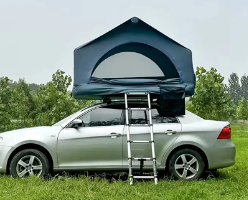
Rooftop Tent systems sit on top of vehicles to create raised sleeping space for travel or time spent outdoors. The roof serves as the main platform while the tent base spreads weight across whatever support points are available. How the tent connects depends on the vehicle's roof layout, and careful alignment keeps everything steady whether the vehicle is parked or driving down the road.
Basic Concept of Rooftop Tent Placement on Vehicle Roof Systems
Placing a Rooftop Tent starts with finding solid spots on the roof where the base can rest securely. The tent usually spans across crossbars, factory rails, or dedicated mounting points so the whole structure sits level. Weight moves down through the base into the vehicle's roof frame instead of pressing hard in just one place.
- Roof load points decide how evenly the weight spreads once the tent opens up.
- Stability improves when the base covers several support areas rather than sitting on a narrow section.
- The vehicle's overall structure affects how the tent sits and how brackets or straps hold without slipping.
The link between roof load points and tent stability shows in the way forces travel during use. When parked, the weight from people inside stays mostly still. While moving, acceleration, braking, and turns shift those forces, so the mounting hardware has to manage both steady pressure and the constant small changes that come with road travel.
Vehicle structure plays a big part in how installation works. Roofs with rails make clamping straightforward. Smooth or curved surfaces often need adapters or spacers to create even contact. The difference between static and moving load conditions matters here. Static load happens when the vehicle sits still and the tent opens for sleeping. Moving load includes the tent plus occupants while the vehicle travels, where vibration and bumps add repeated small stresses over time.
How well the tent base matches the roof surface also affects security. When the base follows the roof's shape closely, gaps stay small and rocking stays minimal. If the surfaces do not line up well, installers sometimes add thin shims or adjustable feet to create flat, stable contact and reduce movement as miles add up.
What Vehicle Roof Types Can Support a Rooftop Tent
Vehicle roofs come in different forms, from those with built-in rails to completely smooth panels. Factory-installed roof rail systems show up on many models and give ready-made lines running along the sides for attaching crossbars. These rails let the bars slide and lock into place, making it easier to fit various tent widths.
Vehicles that already have crossbar setups offer good flexibility. The spacing between bars can be adjusted so the tent base lines up properly with the vehicle's length. The bars spread load sideways and lift the tent slightly above any roof features. Flat roof structures need extra care with load distribution because there are no built-in channels to follow. The base usually spreads across a wider area to avoid putting too much pressure on any single panel.
Curved roof surfaces behave differently from flat ones when it comes to contact. Curves can make the tent base rock unless the mounting feet pivot or use spacers to level things out. Roof shape also changes how a Waterproof Roof Top Tent sits and how water runs off the fabric in rain. A gentle curve sometimes helps water move away from seams naturally, while a flat roof depends more on the tent's own drainage channels and slopes.
Why SUVs and Similar Vehicles Commonly Carry Rooftop Tent Systems
Vehicles like SUVs often have structural traits that work well with rooftop mounting. Their higher ground clearance and reinforced roof frames help handle the extra height and weight. The roof sits high enough that a ladder reaches comfortably while keeping the tent clear of rocks or brush on the ground during setup.
Cabin space inside usually stays separate from what happens on the roof, so gear and people do not crowd each other. Travel flexibility increases because the vehicle can handle different kinds of roads and trails with the tent still mounted. Load spreads across the reinforced roof frame and travels into the main body of the vehicle rather than concentrating on weaker panels.
Can Pickup Trucks Support Rooftop Tent Installations Safely
Pickup trucks give several mounting choices beyond just the cab roof. Some setups use racks built over the bed area so the tent stays away from the driving cabin. Reinforcement along the bed rails can add strength for heavier arrangements.
Cab roof installations often follow patterns similar to passenger vehicles, using rails or crossbars. Rear platforms over the bed allow wider bases and sometimes keep the tent lower relative to the ground. When cargo moves in the bed, it can affect overall balance if the tent mounts directly above, so attention goes to how loads shift during travel.
Fitting a Waterproof Roof Top Tent on a truck may call for longer brackets or extra reinforced cross members to match the longer wheelbase and different vibration patterns that come with truck designs.
How Crossbar Systems Influence Rooftop Tent Stability
Crossbars sit at the heart of most Rooftop Tent setups because they spread the weight across the roof instead of letting it press down in one spot. They either lock into side rails or clamp directly onto the roof edges, forming two or more parallel supports that the tent base rests across. Being able to slide and adjust the spacing means the bars can line up exactly with the tent's mounting points so contact feels even from front to back.
The material the bars are made from matters when it comes to holding shape under load. Stiffer bars resist bending, while surface finish plays a quiet role too — smoother or padded bars cut down on rubbing against the tent base whenever the vehicle hits bumps or vibrates. Where the bars sit also decides how the tent faces: some drivers prefer the tent running the same direction as the vehicle, others turn it sideways depending on roof layout and wind direction.
Compatibility works best when the crossbars match the roof's own mounting style. Wider vehicles often need longer bars to reach properly, while narrower ones manage with shorter spans that still give enough support without hanging too far over the sides.
What Role Does Roof Load Capacity Play in Rooftop Tent Use
Roof load capacity comes down to how the vehicle's structure carries weight placed up high. The goal is spreading that force through the roof into the pillars and main frame rather than concentrating pressure on any single panel.
- Static weight applies when the vehicle is parked and people are resting inside the tent.
- Dynamic weight comes into play once the vehicle starts moving, when road bumps and turns add shifting forces.
Even when parked, movement inside the tent creates small changes in pressure, so mounting points need to hold firm without working loose over time. After many cycles of setting up, using, and packing away, materials gradually settle, which is why checking tension and contact points regularly makes a difference. Keeping the overall balance right helps the vehicle drive and handle in its usual way without extra sway or odd steering feel.
How Waterproof Roof Top Tent Design Responds to Weather Conditions
Waterproof Roof Top Tent designs rely on layered fabrics where the outer side sheds rain while the inner side allows a bit of air movement to limit stuffy condensation. Wind hits the raised structure from different angles, pushing against the sides and ends, which is why sturdy anchor points and guy lines become important for holding the shape steady.
Drainage paths along the base or at the seams help guide water away from the sleeping area instead of letting it pool. Inside, temperature swings between day and night get managed through fabric choices that slow down heat buildup during sunny hours and hold some warmth after dark. Over repeated trips, the coatings and weaves gradually show how well they stand up to sun, rain, and constant wind without breaking down quickly.
How Vehicle Size Affects Rooftop Tent Compatibility
Smaller vehicles bring limited roof real estate, so shorter tent bases often become the practical choice to avoid hanging over doors or mirrors. Mid-size vehicles usually offer a more even middle ground where standard tent sizes fit with only small tweaks. Larger vehicles give more room to work with, letting longer tents mount without crowding lights, boxes, or other gear already on the roof.
Roof length ties closely to tent shape because the base needs a solid, continuous stretch of support underneath. Planning space between the tent and any other roof accessories prevents blocking attachment points or creating spots where pressure builds unevenly.
How Installation Methods Differ Across Vehicle Types
Installation changes with the roof style. Fixed bracket systems suit roofs that already have set mounting holes or strong rails, creating a more permanent connection. Adjustable clamp systems give more wiggle room on vehicles where rail size or edge shape varies, letting the installer tweak position before locking everything down.
Temporary mounting works well for occasional trips where the whole rack and tent can come off quickly between uses. The process usually starts with leveling the base and checking that all contact points touch evenly before final tightening. After the first few times, many people make small repeated adjustments as they learn exactly how the tent sits on their particular vehicle.
What Challenges Occur When Matching Rooftop Tent to Certain Vehicles
Uneven roof surfaces can make mounting tricky because the tent base may rock until spacers or adjustable feet create flat contact. Smaller vehicles sometimes have fewer strong support points, which limits placement choices and occasionally calls for creative bar arrangements.
Aerodynamic roof slopes change the natural angle of the tent and can affect how it faces into the wind. Existing roof racks, lights, or luggage boxes sometimes sit right where the tent wants to go, forcing an offset position. In those cases, extra straps or slight repositioning often help restore balance for a Waterproof Roof Top Tent.
How Driving Behavior Influences Rooftop Tent Selection
Steady highway driving brings constant airflow that presses against the front and sides of the tent. Off-road stretches add vibration and sudden jolts that test how securely everything is fastened. Changes in speed alter the stress on the structure — faster movement increases force while slower travel eases it.
On long drives the load stays mostly consistent for hours, so the mounting system needs to stay tight without frequent stops to check. When parking on uneven ground or slopes, the tent still needs to open level, which influences how drivers choose both the vehicle and the tent style.
How Storage and Folding Design Affects Rooftop Tent Use
Hard shell and soft shell tents fold differently for travel. Hard shells usually close into a smooth, low-profile cover that cuts wind noise and shields the fabric underneath. Soft shells fold or roll tighter but sometimes need an extra rain cover while driving.
A more compact folded shape helps keep roof balance closer to normal because the center of gravity shifts less. Setup time differs noticeably: hard shells often open faster while soft shells may take a few extra minutes to tension the fabric properly. Inside space when open also depends on how efficiently the folded design leaves room for other items still on the roof.
How Rooftop Tent Wholesaler Support Product Distribution
Rooftop Tent units move through supply networks by being sorted according to the vehicle types they fit best. This helps retailers receive stock that matches common roof styles in their area. Packaging focuses on protecting the folded tent and its mounting parts so everything arrives in good condition.
Distribution often splits between city markets, where compact and lighter options draw attention, and outdoor-oriented regions where bigger or tougher versions move more steadily. Rooftop Tent Wholesaler coordination keeps the right mix of configurations flowing so supply lines up with local demand.
What Factors Guide Vehicle and Rooftop Tent Matching Decisions
Decisions usually begin with checking the roof structure to make sure solid attachment points exist and can handle the expected load. The kind of travel a person does matters — steady highway miles feel different from frequent rough trails. How often the tent will be put up and taken down influences whether quick-clamp systems or more fixed brackets feel more practical.
User space needs help decide tent size, while the balance between easy mobility and solid stability guides the final choice. The aim is a Rooftop Tent that works smoothly with the vehicle rather than fighting against it.
How Waterproof Roof Top Tent Systems Evolve with Usage Needs
Materials gradually adjust to different conditions through changes in weave tightness or protective coatings that respond to moisture and sunlight. Mounting hardware sees small refinements so it fits newer roof designs more naturally. Portability expectations keep shifting toward lighter folded packages that still open into usable space.
Newer patterns of mixed road and trail travel encourage designs that handle both smooth pavement and uneven tracks while keeping performance steady across seasons.
Comparison of Vehicle and Rooftop Tent Factors
| Vehicle Category | Roof Compatibility Notes | Installation Considerations | Stability Under Movement |
|---|---|---|---|
| Compact Vehicles | Limited surface area, adapters often needed | Careful alignment to avoid overhang | More sensitive to shifts in weight |
| Mid-Size Vehicles | Balanced rail or crossbar options | Adjustable clamps work well | Moderate load distribution |
| Larger Vehicles | Extended mounting space available | Room for wider bases and extra gear | Handles dynamic forces more evenly |
| Pickup Trucks | Cab roof or bed platform choices | May need reinforced racks | Cargo movement requires extra attention |
Rooftop Tent systems keep developing to meet raised shelter needs on all kinds of vehicles. Waterproof Roof Top Tent designs pay attention to real-world weather while mounting approaches adjust to the differences in roof shapes and sizes. Rooftop Tent Wholesaler networks help keep suitable options moving through the supply chain.
